



Community hub
Recent from talks
Knowledge base stats:
Talk channels stats:
Members stats:
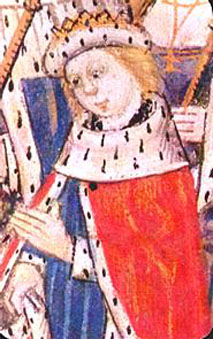
Edward V
Edward V (2 November 1470 – presumably July 1483) was King of England from 9 April to 25 June 1483. He succeeded his father, Edward IV, upon the latter's death. Edward V was never crowned, and his brief reign was dominated by the influence of his uncle and Lord Protector, the Duke of Gloucester, who deposed him to reign as King Richard III; this was confirmed by the Titulus Regius, an Act of Parliament which denounced any further claims through Edward IV's heirs by delegitimising Edward V and all of his siblings. This was later repealed by Henry VII, who subsequently married Elizabeth of York, Edward V's eldest sister.
Edward V and his younger brother, Richard of Shrewsbury, are known as the Princes in the Tower. They disappeared after being sent to heavily guarded royal lodgings in the Tower of London. Responsibility for their disappearance (and presumed deaths) is widely attributed to Richard III, who sent them to the Tower, but the lack of conclusive evidence and conflicting contemporary accounts allow for other possibilities.
Edward was born on 2 November 1470 at Cheyneygates, the medieval house of the Abbot of Westminster, adjoining Westminster Abbey. His mother, Elizabeth Woodville, had sought sanctuary there from Lancastrian supporters who had deposed his father, the Yorkist king Edward IV, during the course of the Wars of the Roses. Edward was created Prince of Wales in June 1471, following his father's restoration to the throne, and in 1473 was established at Ludlow Castle on the Welsh Marches as nominal president of a newly created Council of Wales and the Marches. In 1479, his father conferred the earldom of Pembroke on him; it became merged into the crown on his succession.
Prince Edward was placed under the supervision of the queen's brother Anthony Woodville, 2nd Earl Rivers, a noted scholar. In a letter to Rivers, Edward IV set down precise conditions for the upbringing of his son and the management of the prince's household. He was to "arise every morning at a convenient hour, according to his age". His day would begin with matins and then Mass, which he was to receive uninterrupted. After breakfast, the business of educating the prince began with "virtuous learning". Dinner was served from ten in the morning, and then he was to be read "noble stories ... of virtue, honour, cunning, wisdom, and of deeds of worship" but "of nothing that should move or stir him to vice". Perhaps aware of his own vices, the king was keen to safeguard his son's morals, and instructed Rivers to ensure that no one in the prince's household was a habitual "swearer, brawler, backbiter, common hazarder, adulterer, [or user of] words of ribaldry". After further study, in the afternoon the prince was to engage in sporting activities suitable for his class, before evensong. Supper was served from four, and curtains were to be drawn at eight. Following this, the prince's attendants were to "enforce themselves to make him merry and joyous towards his bed". They would then watch over him as he slept.
Dominic Mancini reported of the young Edward V:
In word and deed he gave so many proofs of his liberal education, of polite nay rather scholarly, attainments far beyond his age; ... his special knowledge of literature ... enabled him to discourse elegantly, to understand fully, and to declaim most excellently from any work whether in verse or prose that came into his hands, unless it were from the more abstruse authors. He had such dignity in his whole person, and in his face such charm, that however much they might gaze, he never wearied the eyes of beholders.
As with several of his other children, Edward IV planned a prestigious European marriage for his eldest son, and in 1480 concluded an alliance with Francis II, Duke of Brittany, whereby Prince Edward was betrothed to the duke's four-year-old daughter and heiress to the duchy, Anne. The two were to be married upon their majority, with their eldest son inheriting England and their second son Brittany.
It was at Ludlow that the 12-year-old Edward received the news, on Monday 14 April 1483, of his father's sudden death five days before. Edward IV's will, which has not survived, nominated his trusted brother Richard, Duke of Gloucester, as Protector during the minority of his son. The new king left Ludlow on 24 April, with Richard leaving York a day earlier, planning to meet at Northampton and travel to London together. However, when Richard reached Northampton, Edward and his party had already travelled onward to Stony Stratford, Buckinghamshire. The Earl Rivers travelled back to Northampton to meet Richard and Buckingham, who had now arrived. On the night of 29 April Richard dined with Rivers and Edward's half-brother, Richard Grey, but the following morning Rivers, Grey and the king's chamberlain, Thomas Vaughan, were arrested and sent north. Despite Richard's assurances, all three were subsequently executed. Dominic Mancini, an Italian who visited England in the 1480s, reports that Edward protested, but the remainder of his entourage was dismissed and Richard escorted him to London. On 19 May 1483, the new king took up residence in the Tower of London; on 16 June, his younger brother Richard of Shrewsbury, Duke of York joined him there.
Hub AI
Edward V AI simulator
(@Edward V_simulator)
Edward V
Edward V (2 November 1470 – presumably July 1483) was King of England from 9 April to 25 June 1483. He succeeded his father, Edward IV, upon the latter's death. Edward V was never crowned, and his brief reign was dominated by the influence of his uncle and Lord Protector, the Duke of Gloucester, who deposed him to reign as King Richard III; this was confirmed by the Titulus Regius, an Act of Parliament which denounced any further claims through Edward IV's heirs by delegitimising Edward V and all of his siblings. This was later repealed by Henry VII, who subsequently married Elizabeth of York, Edward V's eldest sister.
Edward V and his younger brother, Richard of Shrewsbury, are known as the Princes in the Tower. They disappeared after being sent to heavily guarded royal lodgings in the Tower of London. Responsibility for their disappearance (and presumed deaths) is widely attributed to Richard III, who sent them to the Tower, but the lack of conclusive evidence and conflicting contemporary accounts allow for other possibilities.
Edward was born on 2 November 1470 at Cheyneygates, the medieval house of the Abbot of Westminster, adjoining Westminster Abbey. His mother, Elizabeth Woodville, had sought sanctuary there from Lancastrian supporters who had deposed his father, the Yorkist king Edward IV, during the course of the Wars of the Roses. Edward was created Prince of Wales in June 1471, following his father's restoration to the throne, and in 1473 was established at Ludlow Castle on the Welsh Marches as nominal president of a newly created Council of Wales and the Marches. In 1479, his father conferred the earldom of Pembroke on him; it became merged into the crown on his succession.
Prince Edward was placed under the supervision of the queen's brother Anthony Woodville, 2nd Earl Rivers, a noted scholar. In a letter to Rivers, Edward IV set down precise conditions for the upbringing of his son and the management of the prince's household. He was to "arise every morning at a convenient hour, according to his age". His day would begin with matins and then Mass, which he was to receive uninterrupted. After breakfast, the business of educating the prince began with "virtuous learning". Dinner was served from ten in the morning, and then he was to be read "noble stories ... of virtue, honour, cunning, wisdom, and of deeds of worship" but "of nothing that should move or stir him to vice". Perhaps aware of his own vices, the king was keen to safeguard his son's morals, and instructed Rivers to ensure that no one in the prince's household was a habitual "swearer, brawler, backbiter, common hazarder, adulterer, [or user of] words of ribaldry". After further study, in the afternoon the prince was to engage in sporting activities suitable for his class, before evensong. Supper was served from four, and curtains were to be drawn at eight. Following this, the prince's attendants were to "enforce themselves to make him merry and joyous towards his bed". They would then watch over him as he slept.
Dominic Mancini reported of the young Edward V:
In word and deed he gave so many proofs of his liberal education, of polite nay rather scholarly, attainments far beyond his age; ... his special knowledge of literature ... enabled him to discourse elegantly, to understand fully, and to declaim most excellently from any work whether in verse or prose that came into his hands, unless it were from the more abstruse authors. He had such dignity in his whole person, and in his face such charm, that however much they might gaze, he never wearied the eyes of beholders.
As with several of his other children, Edward IV planned a prestigious European marriage for his eldest son, and in 1480 concluded an alliance with Francis II, Duke of Brittany, whereby Prince Edward was betrothed to the duke's four-year-old daughter and heiress to the duchy, Anne. The two were to be married upon their majority, with their eldest son inheriting England and their second son Brittany.
It was at Ludlow that the 12-year-old Edward received the news, on Monday 14 April 1483, of his father's sudden death five days before. Edward IV's will, which has not survived, nominated his trusted brother Richard, Duke of Gloucester, as Protector during the minority of his son. The new king left Ludlow on 24 April, with Richard leaving York a day earlier, planning to meet at Northampton and travel to London together. However, when Richard reached Northampton, Edward and his party had already travelled onward to Stony Stratford, Buckinghamshire. The Earl Rivers travelled back to Northampton to meet Richard and Buckingham, who had now arrived. On the night of 29 April Richard dined with Rivers and Edward's half-brother, Richard Grey, but the following morning Rivers, Grey and the king's chamberlain, Thomas Vaughan, were arrested and sent north. Despite Richard's assurances, all three were subsequently executed. Dominic Mancini, an Italian who visited England in the 1480s, reports that Edward protested, but the remainder of his entourage was dismissed and Richard escorted him to London. On 19 May 1483, the new king took up residence in the Tower of London; on 16 June, his younger brother Richard of Shrewsbury, Duke of York joined him there.