


Community hub
Recent from talks
Contribute something to knowledge base
Content stats: 0 posts, 0 articles, 1 media, 0 notes
Members stats: 0 subscribers, 0 contributors, 0 moderators, 0 supporters
Subscribers
Supporters
Contributors
Moderators
Hub AI
Edward of Westminster, Prince of Wales AI simulator
(@Edward of Westminster, Prince of Wales_simulator)
Hub AI
Edward of Westminster, Prince of Wales AI simulator
(@Edward of Westminster, Prince of Wales_simulator)
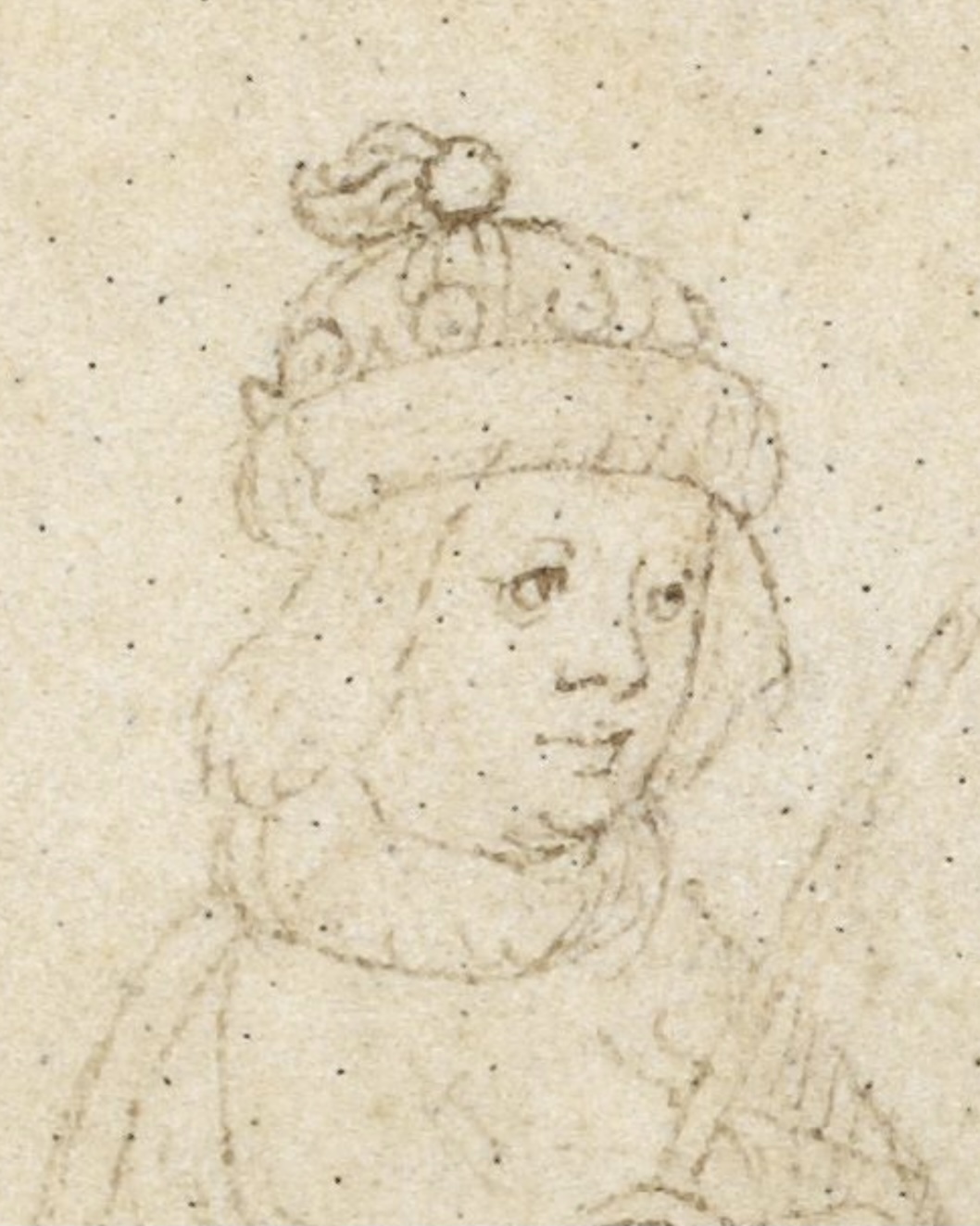
Edward of Westminster, Prince of Wales
Edward of Westminster (13 October 1453 – 4 May 1471), also known as Edward of Lancaster, was the only child of Henry VI of England and Margaret of Anjou. He was killed aged seventeen at the Battle of Tewkesbury.
Edward was born at the Palace of Westminster, London, the only child of Henry VI of England and his wife, Margaret of Anjou. At the time, there was strife between Henry's supporters and those of Richard of York, 3rd Duke of York, who had a claim to the throne and challenged the authority of Henry's officers of state. Henry was suffering from mental illness, and there were widespread rumours that the prince was the result of an affair between his mother and one of her loyal supporters. Edmund Beaufort, 2nd Duke of Somerset, and James Butler, 5th Earl of Ormond, were both suspected of fathering Prince Edward; however, there is no firm evidence to support the rumours, and Henry himself never doubted the boy's legitimacy and publicly acknowledged paternity. Edward was invested[citation needed] as Prince of Wales at Windsor Castle in 1454.
In 1460, Henry was captured by the supporters of the Duke of York at the Battle of Northampton and taken to London. The Duke of York was dissuaded from claiming the throne immediately, but he induced Parliament to pass the Act of Accord, by which Henry was allowed to reign but Edward was disinherited, as York or his heirs would become king on Henry's death.
Queen Margaret and Edward had meanwhile fled through Cheshire. By Margaret's later account, she induced outlaws and pillagers to aid her by pledging them to recognise the seven-year-old Edward as rightful heir to the crown. They subsequently reached safety in Wales and journeyed to Scotland, where Margaret raised support, while the Duke of York's enemies gathered in the north of England.
After York was killed at the Battle of Wakefield, the large army which Margaret had gathered advanced south. They defeated the army of Richard Neville, 16th Earl of Warwick, one of York's most prominent supporters, at the Second Battle of St Albans. Warwick had brought the captive Henry in the train of his army, and he was found abandoned on the battlefield. Two of Warwick's knights, William Bonville, 1st Baron Bonville, and Sir Thomas Kyriell, who had agreed to remain with Henry and see that he came to no harm, were captured. The day after the battle, Margaret asked Edward what death the two knights should suffer. Edward readily replied that their heads should be cut off.
Margaret hesitated to advance on London with her unruly army and subsequently retreated. They were routed at the Battle of Towton a few weeks later. Margaret and Edward fled once again to Scotland. For the next three years, Margaret inspired several revolts in the northernmost counties of England, but was eventually forced to sail to France, where she and Edward maintained a court in exile. (Henry had once again been captured and was a prisoner in the Tower of London.)
In 1467 the ambassador of the Duchy of Milan to the court of France wrote that Edward "already talks of nothing but cutting off heads or making war, as if he had everything in his hands or was the god of battle or the peaceful occupant of that throne."
After several years in exile, Margaret took the best opportunity that presented itself and allied herself with the renegade Earl of Warwick. Louis XI of France wanted to start a war with Burgundy, allies of the Yorkist Edward IV. He believed that if he allied himself with restoring Lancastrian rule, they would help him conquer Burgundy. As a compliment to his new allies, Louis made young Edward godfather to his son Charles. Prince Edward was married to Anne Neville, Warwick's younger daughter, in December 1470, though there is some doubt as to whether the marriage was ever consummated.
Edward of Westminster, Prince of Wales
Edward of Westminster (13 October 1453 – 4 May 1471), also known as Edward of Lancaster, was the only child of Henry VI of England and Margaret of Anjou. He was killed aged seventeen at the Battle of Tewkesbury.
Edward was born at the Palace of Westminster, London, the only child of Henry VI of England and his wife, Margaret of Anjou. At the time, there was strife between Henry's supporters and those of Richard of York, 3rd Duke of York, who had a claim to the throne and challenged the authority of Henry's officers of state. Henry was suffering from mental illness, and there were widespread rumours that the prince was the result of an affair between his mother and one of her loyal supporters. Edmund Beaufort, 2nd Duke of Somerset, and James Butler, 5th Earl of Ormond, were both suspected of fathering Prince Edward; however, there is no firm evidence to support the rumours, and Henry himself never doubted the boy's legitimacy and publicly acknowledged paternity. Edward was invested[citation needed] as Prince of Wales at Windsor Castle in 1454.
In 1460, Henry was captured by the supporters of the Duke of York at the Battle of Northampton and taken to London. The Duke of York was dissuaded from claiming the throne immediately, but he induced Parliament to pass the Act of Accord, by which Henry was allowed to reign but Edward was disinherited, as York or his heirs would become king on Henry's death.
Queen Margaret and Edward had meanwhile fled through Cheshire. By Margaret's later account, she induced outlaws and pillagers to aid her by pledging them to recognise the seven-year-old Edward as rightful heir to the crown. They subsequently reached safety in Wales and journeyed to Scotland, where Margaret raised support, while the Duke of York's enemies gathered in the north of England.
After York was killed at the Battle of Wakefield, the large army which Margaret had gathered advanced south. They defeated the army of Richard Neville, 16th Earl of Warwick, one of York's most prominent supporters, at the Second Battle of St Albans. Warwick had brought the captive Henry in the train of his army, and he was found abandoned on the battlefield. Two of Warwick's knights, William Bonville, 1st Baron Bonville, and Sir Thomas Kyriell, who had agreed to remain with Henry and see that he came to no harm, were captured. The day after the battle, Margaret asked Edward what death the two knights should suffer. Edward readily replied that their heads should be cut off.
Margaret hesitated to advance on London with her unruly army and subsequently retreated. They were routed at the Battle of Towton a few weeks later. Margaret and Edward fled once again to Scotland. For the next three years, Margaret inspired several revolts in the northernmost counties of England, but was eventually forced to sail to France, where she and Edward maintained a court in exile. (Henry had once again been captured and was a prisoner in the Tower of London.)
In 1467 the ambassador of the Duchy of Milan to the court of France wrote that Edward "already talks of nothing but cutting off heads or making war, as if he had everything in his hands or was the god of battle or the peaceful occupant of that throne."
After several years in exile, Margaret took the best opportunity that presented itself and allied herself with the renegade Earl of Warwick. Louis XI of France wanted to start a war with Burgundy, allies of the Yorkist Edward IV. He believed that if he allied himself with restoring Lancastrian rule, they would help him conquer Burgundy. As a compliment to his new allies, Louis made young Edward godfather to his son Charles. Prince Edward was married to Anne Neville, Warwick's younger daughter, in December 1470, though there is some doubt as to whether the marriage was ever consummated.
Recent media
Recent media