
Recent from talks
Art of ancient Egypt
Knowledge base stats:
Talk channels stats:
Members stats:
Art of ancient Egypt
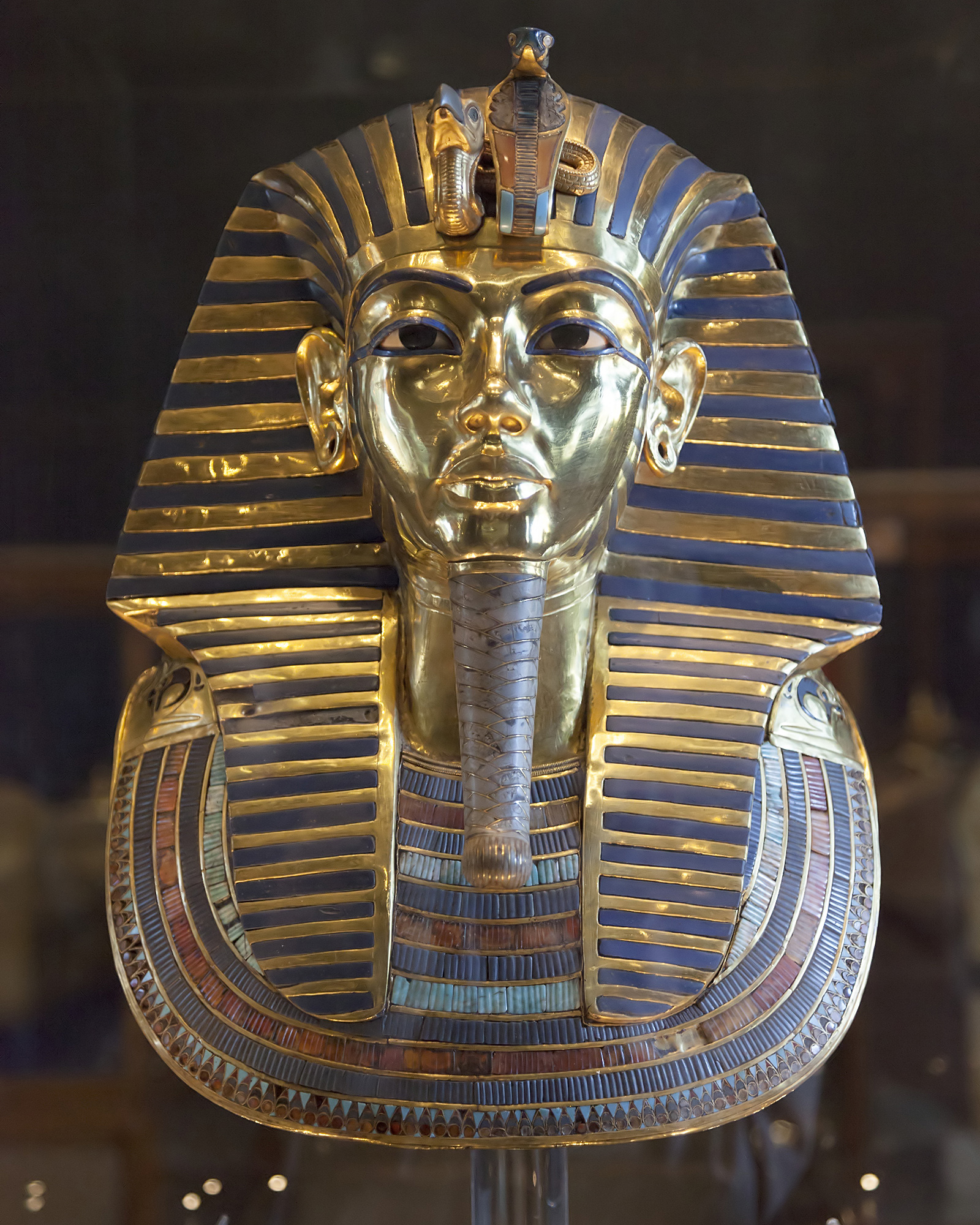
Ancient Egyptian art refers to art produced in ancient Egypt between the 6th millennium BC and the 4th century AD, spanning from Prehistoric Egypt until the Christianization of Roman Egypt. It includes paintings, sculptures, drawings on papyrus, faience, jewelry, ivories, architecture, and other art media. It was a conservative tradition whose style changed very little over time. Much of the surviving examples comes from tombs and monuments, giving insight into the ancient Egyptian afterlife beliefs.
The ancient Egyptian language had no word for "art". Artworks served an essentially functional purpose that was bound with religion and ideology. To render a subject in art was to grant it permanence; thus, ancient Egyptian art portrayed an idealized and unrealistic version of the world. There was no significant tradition of individual artistic expression since art served a wider and cosmic purpose of maintaining order (Ma'at).
Pre-Dynastic Egypt, corresponding to the Neolithic period of the prehistory of Egypt, spanned from c. 6000 BC to the beginning of the Early Dynastic Period, around 3100 BC.
Continued expansion of the desert forced the early ancestors of the Egyptians to settle around the Nile and adopt a more sedentary lifestyle during the Neolithic. The period from 9000 to 6000 BC has left very little archaeological evidence, but around 6000 BC, Neolithic settlements began to appear all over Egypt. Studies based on morphological, genetic, and archaeological data have attributed these settlements to migrants from the Fertile Crescent returning during the Neolithic Revolution, bringing agriculture to the region.
From about 5000 to 4200 BC, the Merimde culture, known only from a large settlement site at the edge of the Western Nile Delta, flourished in Lower Egypt. The culture has strong connections to the Faiyum A culture as well as the Levant. People lived in small huts, produced simple undecorated pottery, and had stone tools. Cattle, sheep, goats, and pigs were raised, and wheat, sorghum and barley were planted. The Merimde people buried their dead within the settlement and produced clay figurines. The first Egyptian life-size head made of clay comes from Merimde.
The Badarian culture, from about 4400 to 4000 BC, is named for the Badari site near Der Tasa. It followed the Tasian culture (c. 4500 BC) but was so similar that many consider them one continuous period. The Badarian culture continued to produce blacktop-ware pottery (albeit much improved in quality) and was assigned sequence dating (SD) numbers 21–29. The primary difference that prevents scholars from merging the two periods is that Badarian sites use copper in addition to stone and are thus chalcolithic settlements, while the Neolithic Tasian sites are still considered Stone Age.
The Naqada culture is an archaeological culture of Chalcolithic Predynastic Egypt (c. 4400–3000 BC), named for the town of Naqada, Qena Governorate. It is divided into three sub-periods: Naqada I, II and III.
The Naqada I (Amratian) culture lasted from about 4000 to 3500 BC. Black-topped ware continues to appear, but white cross-line ware – a type of pottery which has been decorated with crossing sets of close parallel white lines – is also found at this time. The Amratian period falls between 30 and 39 SD.
Hub AI
Art of ancient Egypt AI simulator
(@Art of ancient Egypt_simulator)
Art of ancient Egypt
Ancient Egyptian art refers to art produced in ancient Egypt between the 6th millennium BC and the 4th century AD, spanning from Prehistoric Egypt until the Christianization of Roman Egypt. It includes paintings, sculptures, drawings on papyrus, faience, jewelry, ivories, architecture, and other art media. It was a conservative tradition whose style changed very little over time. Much of the surviving examples comes from tombs and monuments, giving insight into the ancient Egyptian afterlife beliefs.
The ancient Egyptian language had no word for "art". Artworks served an essentially functional purpose that was bound with religion and ideology. To render a subject in art was to grant it permanence; thus, ancient Egyptian art portrayed an idealized and unrealistic version of the world. There was no significant tradition of individual artistic expression since art served a wider and cosmic purpose of maintaining order (Ma'at).
Pre-Dynastic Egypt, corresponding to the Neolithic period of the prehistory of Egypt, spanned from c. 6000 BC to the beginning of the Early Dynastic Period, around 3100 BC.
Continued expansion of the desert forced the early ancestors of the Egyptians to settle around the Nile and adopt a more sedentary lifestyle during the Neolithic. The period from 9000 to 6000 BC has left very little archaeological evidence, but around 6000 BC, Neolithic settlements began to appear all over Egypt. Studies based on morphological, genetic, and archaeological data have attributed these settlements to migrants from the Fertile Crescent returning during the Neolithic Revolution, bringing agriculture to the region.
From about 5000 to 4200 BC, the Merimde culture, known only from a large settlement site at the edge of the Western Nile Delta, flourished in Lower Egypt. The culture has strong connections to the Faiyum A culture as well as the Levant. People lived in small huts, produced simple undecorated pottery, and had stone tools. Cattle, sheep, goats, and pigs were raised, and wheat, sorghum and barley were planted. The Merimde people buried their dead within the settlement and produced clay figurines. The first Egyptian life-size head made of clay comes from Merimde.
The Badarian culture, from about 4400 to 4000 BC, is named for the Badari site near Der Tasa. It followed the Tasian culture (c. 4500 BC) but was so similar that many consider them one continuous period. The Badarian culture continued to produce blacktop-ware pottery (albeit much improved in quality) and was assigned sequence dating (SD) numbers 21–29. The primary difference that prevents scholars from merging the two periods is that Badarian sites use copper in addition to stone and are thus chalcolithic settlements, while the Neolithic Tasian sites are still considered Stone Age.
The Naqada culture is an archaeological culture of Chalcolithic Predynastic Egypt (c. 4400–3000 BC), named for the town of Naqada, Qena Governorate. It is divided into three sub-periods: Naqada I, II and III.
The Naqada I (Amratian) culture lasted from about 4000 to 3500 BC. Black-topped ware continues to appear, but white cross-line ware – a type of pottery which has been decorated with crossing sets of close parallel white lines – is also found at this time. The Amratian period falls between 30 and 39 SD.
Recent media