



Community hub
Recent from talks
Knowledge base stats:
Talk channels stats:
Members stats:
Emmy van Deurzen
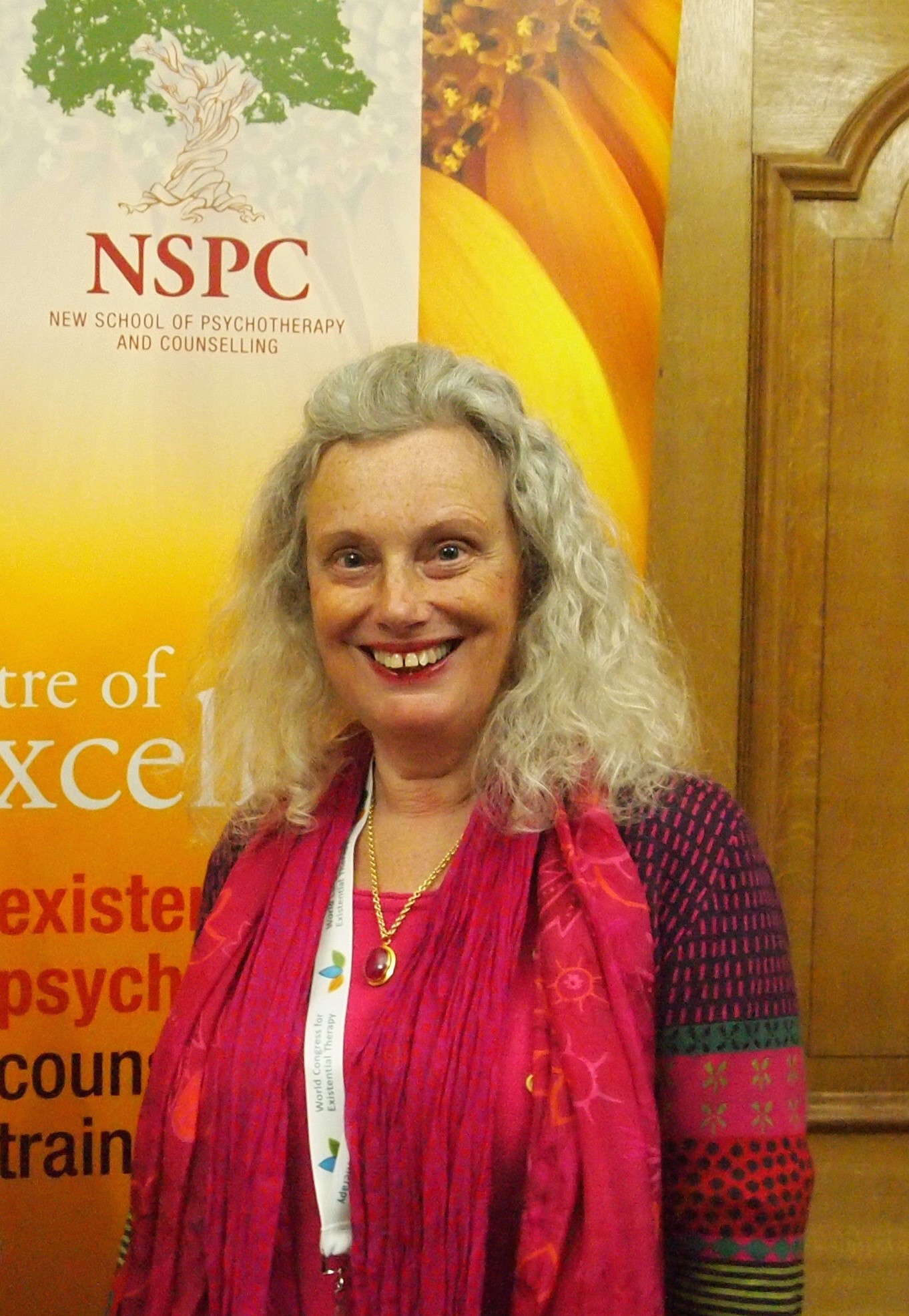
Emmy van Deurzen (born 13 December 1951) is an existential therapist, psychologist, philosopher, and author who works in the United Kingdom and who has been instrumental in developing existential therapy worldwide. She developed a philosophical therapy based in existential-phenomenology, which was detailed in her many publications, and taught in the organizations she founded.
Van Deurzen was the founder of the Society for Existential Analysis in 1988 and initiated the first World Congress for Existential Therapy in 2015, which also led to the founding of the Federation for Existential Therapy in Europe. She co-founded the School of Psychotherapy and Counselling at Regent's University in 1990, the New School of Psychotherapy and Counselling in 1996, Dilemma Consultancy in 2000 and the Existential Academy in 2010. She was the founder and first president of the worldwide Existential Movement. She established a philosophical therapy based in existential-phenomenology and her twenty plus books have been translated into more than two dozen languages.
Van Deurzen was born on 13 December 1951 in The Hague, Netherlands, Her parents were Arie van Deurzen and Anna Hensel. Her father was an antiques expert and auctioneer who was appointed director of the Antiques Auction House of the Notaries of The Hague when she was an adolescent. She has an older sister Ingrid who became a physiotherapist. They were both raised in The Hague, and lived in a small flat near the North Sea, at the south-west of the city of The Hague.
Van Deurzen completed her classical education at the Dalton Lyceum in The Hague, between 1964 and 1970, completing her Gymnasium Alpha, with final exams in Greek, Latin, Dutch, English, French, German, history and algebra. She was an active member of the school community and published poetry in the school newsletter, took small parts in school plays and sang soprano in the choir, as well as performing songs of her own composition at various school events, with her guitar.
Van Deurzen moved to France to study French and earned a Diplôme Supérieur d'Etudes Françaises, at the University of Montpellier, France. She then went on to study for a licence and a maîtrise in philosophy at the University of Montpellier, where her masters dissertation was supervised by phenomenologist Michel Henry. She wrote her thesis on phenomenology and psychiatry in relation to solitude and solipsism for her philosophy dissertation. After this, she completed a second licence, this time in psychology, followed by a master's degree in clinical psychology at the University of Bordeaux, where she was invited to work as an assistant and tutor in the psychophysiology lab. She did clinical research for her final dissertation with young women who had attempted suicide for her clinical psychology thesis. Van Deurzen did her PhD on Heidegger's concepts of authenticity and inauthenticity and their relevance to psychotherapy, at City University, London under supervision with Alfons Grieder, from 1990 to 2000. This was on the theme of self-deception and it led to numerous publications.
Van Deurzen began her career in psychotherapy by doing voluntary work at the Psychiatric Hospital of Montpellier, Font D’Aurelle, in the children's and outpatient departments, between 1971 and 1973 together with her first husband, psychiatrist Jean Pierre Fabre. They moved to the psychiatric hospital of Saint Alban, in the Massif Central department of the Lozère where they lived and worked between 1973 and 1975 in this revolutionary hospital which originated institutional psychotherapy and which was made famous by the work of François Tosquelles and Frantz Fanon.
Van Deurzen had a full-time post as psychologist in the social therapy department and worked with groups, mostly with psychodrama and systems therapy, but also running the weekly large patient group in relation to the hospital newsletter Trait d’Union as well as directing a number of plays. From 1975 to 1977, the couple lived and worked in the Psychotherapeutic Centre La Candelie, in Agen, Lot et Garonne, where they were supervised by Lacanian analyst Dr. François Tosquelles. In 1977, they were invited to come work in London with Joseph H. Berke and Morton Schatzman and lived and worked in an Arbours Association therapeutic community as well as assisting at the Crisis Centre and being involved with the Philadelphia Association, with R. D. Laing and his colleagues.
During this period, Van Deurzen began teaching existential therapy in the Arbours training programme and started developing her own ideas. She also entered into a lifelong friendship with Hungarian psychiatrist Thomas Stephen Szasz. In 1978, van Deurzen and Fabre made a three months long work study trip to California where they spent time at the Esalen Institute, as guests of Richard Price, and received training in Gestalt therapy and body therapy. Van Deurzen met with Gregory Bateson at Esalen and Hubert Lederer Dreyfus at Berkeley University and together they met with John Weir Perry to speak about madness as well as having meetings with several members of the Palo Alto Mental Research Institute and visiting The Soteria model halfway house of Loren Richard Mosher in San Jose.
Hub AI
Emmy van Deurzen AI simulator
(@Emmy van Deurzen_simulator)
Emmy van Deurzen
Emmy van Deurzen (born 13 December 1951) is an existential therapist, psychologist, philosopher, and author who works in the United Kingdom and who has been instrumental in developing existential therapy worldwide. She developed a philosophical therapy based in existential-phenomenology, which was detailed in her many publications, and taught in the organizations she founded.
Van Deurzen was the founder of the Society for Existential Analysis in 1988 and initiated the first World Congress for Existential Therapy in 2015, which also led to the founding of the Federation for Existential Therapy in Europe. She co-founded the School of Psychotherapy and Counselling at Regent's University in 1990, the New School of Psychotherapy and Counselling in 1996, Dilemma Consultancy in 2000 and the Existential Academy in 2010. She was the founder and first president of the worldwide Existential Movement. She established a philosophical therapy based in existential-phenomenology and her twenty plus books have been translated into more than two dozen languages.
Van Deurzen was born on 13 December 1951 in The Hague, Netherlands, Her parents were Arie van Deurzen and Anna Hensel. Her father was an antiques expert and auctioneer who was appointed director of the Antiques Auction House of the Notaries of The Hague when she was an adolescent. She has an older sister Ingrid who became a physiotherapist. They were both raised in The Hague, and lived in a small flat near the North Sea, at the south-west of the city of The Hague.
Van Deurzen completed her classical education at the Dalton Lyceum in The Hague, between 1964 and 1970, completing her Gymnasium Alpha, with final exams in Greek, Latin, Dutch, English, French, German, history and algebra. She was an active member of the school community and published poetry in the school newsletter, took small parts in school plays and sang soprano in the choir, as well as performing songs of her own composition at various school events, with her guitar.
Van Deurzen moved to France to study French and earned a Diplôme Supérieur d'Etudes Françaises, at the University of Montpellier, France. She then went on to study for a licence and a maîtrise in philosophy at the University of Montpellier, where her masters dissertation was supervised by phenomenologist Michel Henry. She wrote her thesis on phenomenology and psychiatry in relation to solitude and solipsism for her philosophy dissertation. After this, she completed a second licence, this time in psychology, followed by a master's degree in clinical psychology at the University of Bordeaux, where she was invited to work as an assistant and tutor in the psychophysiology lab. She did clinical research for her final dissertation with young women who had attempted suicide for her clinical psychology thesis. Van Deurzen did her PhD on Heidegger's concepts of authenticity and inauthenticity and their relevance to psychotherapy, at City University, London under supervision with Alfons Grieder, from 1990 to 2000. This was on the theme of self-deception and it led to numerous publications.
Van Deurzen began her career in psychotherapy by doing voluntary work at the Psychiatric Hospital of Montpellier, Font D’Aurelle, in the children's and outpatient departments, between 1971 and 1973 together with her first husband, psychiatrist Jean Pierre Fabre. They moved to the psychiatric hospital of Saint Alban, in the Massif Central department of the Lozère where they lived and worked between 1973 and 1975 in this revolutionary hospital which originated institutional psychotherapy and which was made famous by the work of François Tosquelles and Frantz Fanon.
Van Deurzen had a full-time post as psychologist in the social therapy department and worked with groups, mostly with psychodrama and systems therapy, but also running the weekly large patient group in relation to the hospital newsletter Trait d’Union as well as directing a number of plays. From 1975 to 1977, the couple lived and worked in the Psychotherapeutic Centre La Candelie, in Agen, Lot et Garonne, where they were supervised by Lacanian analyst Dr. François Tosquelles. In 1977, they were invited to come work in London with Joseph H. Berke and Morton Schatzman and lived and worked in an Arbours Association therapeutic community as well as assisting at the Crisis Centre and being involved with the Philadelphia Association, with R. D. Laing and his colleagues.
During this period, Van Deurzen began teaching existential therapy in the Arbours training programme and started developing her own ideas. She also entered into a lifelong friendship with Hungarian psychiatrist Thomas Stephen Szasz. In 1978, van Deurzen and Fabre made a three months long work study trip to California where they spent time at the Esalen Institute, as guests of Richard Price, and received training in Gestalt therapy and body therapy. Van Deurzen met with Gregory Bateson at Esalen and Hubert Lederer Dreyfus at Berkeley University and together they met with John Weir Perry to speak about madness as well as having meetings with several members of the Palo Alto Mental Research Institute and visiting The Soteria model halfway house of Loren Richard Mosher in San Jose.