



Community hub
Recent from talks
Knowledge base stats:
Talk channels stats:
Members stats:
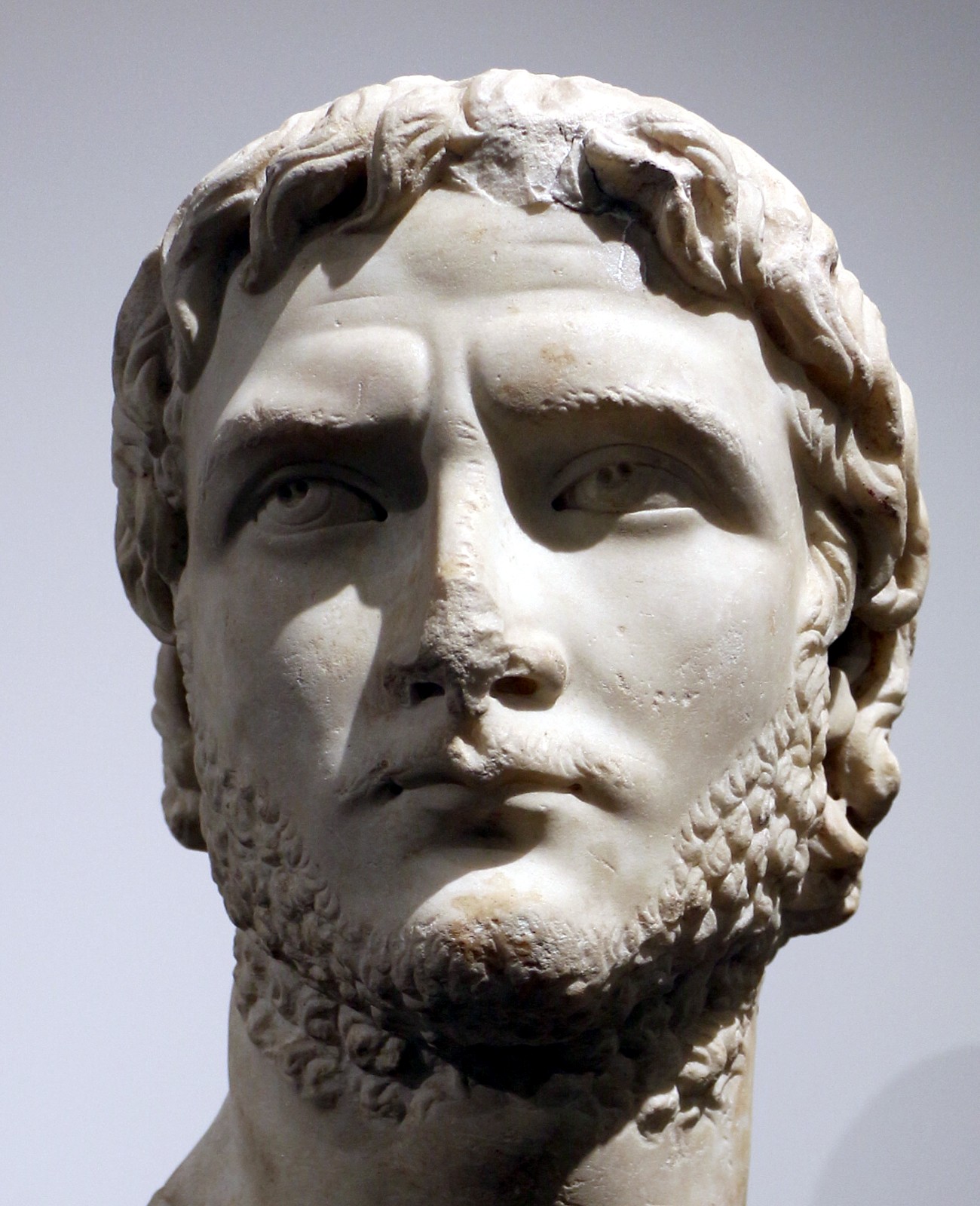
Gallienus
Publius Licinius Egnatius Gallienus (/ˌɡæliˈɛnəs/; c. 218 – September 268) was Roman emperor with his father Valerian from 253 to 260 and alone from 260 to 268. He ruled during the Crisis of the Third Century that nearly caused the collapse of the empire. He won numerous military victories against usurpers and Germanic tribes, but was unable to prevent the secession of important provinces. His 15-year reign was the longest in half a century.
Born into a wealthy and traditional senatorial family, Gallienus was the son of Valerian and Mariniana. Valerian became Emperor in September 253 and had the Roman Senate elevate Gallienus to the rank of Augustus. Valerian divided the empire between him and his son, with Valerian ruling the east and his son the west. Gallienus defeated the usurper Ingenuus in 258 and destroyed an Alemanni army at Mediolanum in 259.
The defeat and capture of Valerian at Edessa in 260 by the Sasanian Empire threw the Roman Empire into the chaos of civil war. Control of the whole empire passed to Gallienus. He defeated the eastern usurpers Macrianus Major and Lucius Mussius Aemilianus in 261–262 but failed to stop the formation of the breakaway Gallic Empire under general Postumus. Aureolus, another usurper, proclaimed himself emperor in Mediolanum in 268 but was defeated outside the city by Gallienus and besieged inside. While the siege was ongoing, Gallienus was assassinated, stabbed to death by the officer Cecropius, as part of a conspiracy.
The exact birth date of Gallienus is unknown. The 6th-century Greek chronicler John Malalas and the Epitome de Caesaribus report that he was about 50 years old at the time of his death, meaning he was born around 218. He was the son of Emperor Valerian and Mariniana, who may have been of senatorial rank, possibly the daughter of Egnatius Victor Marinianus, and his brother was Valerianus Minor. Inscriptions on coins connect him with Falerii in Etruria, which may have been his birthplace; it has yielded many inscriptions relating to his mother's family, the Egnatii. Gallienus married Cornelia Salonina about ten years before his accession to the throne. She was the mother of three princes: Valerian II, who died in 258; Saloninus, who was named co-emperor but was murdered in 260 by the army of general Postumus; and Marinianus, who was killed in 268, shortly after his father was assassinated.
When Valerian was proclaimed emperor in September 253, he asked the Senate to ratify the elevation of Gallienus to Augustus. He was also designated consul ordinarius for 254. As Marcus Aurelius and his adopted brother Lucius Verus had done a century earlier, Gallienus and his father divided the Empire. Valerian left for the East to stem the Persian threat, and Gallienus remained in Italy to repel the Germanic tribes on the Rhine and Danube. Division of the empire had become necessary due to its sheer size and the numerous threats it faced, and it facilitated negotiations with enemies who demanded to communicate directly with the emperor.
Gallienus spent most of his time in the provinces of the Rhine area (Germania Inferior, Germania Superior, Raetia, and Noricum), though he almost certainly visited the Danube area and Illyricum in the years from 253 to 258. According to Eutropius and Aurelius Victor, he was particularly energetic and successful in preventing invaders from attacking the German provinces and Gaul, despite the weakness caused by Valerian's march on Italy against Aemilianus in 253. According to numismatic evidence, he seems to have won many victories there, and a victory in Roman Dacia might also be dated to that period. Even the hostile Latin tradition attributes success to him at this time.
In 255 or 257, Gallienus was made consul again, suggesting that he briefly visited Rome on those occasions, although no record survives. During his Danube sojourn (Drinkwater suggests in 255 or 256), he proclaimed his elder son Valerian II Caesar and thus official heir to himself and Valerian I; the boy probably joined Gallienus on campaign at that time, and when Gallienus moved west to the Rhine provinces in 257, he remained behind on the Danube as the personification of Imperial authority.
Sometime between 258 and 260 (the exact date is unclear), while Valerian was distracted with the ongoing invasion of Shapur I in the East, and Gallienus was preoccupied with his problems in the West, Ingenuus, governor of at least one of the Pannonian provinces, took advantage and declared himself emperor. Valerian II had apparently died on the Danube, most likely in 258. Ingenuus may have been responsible for Valerian II's death. Alternatively, the defeat and capture of Valerian at the battle of Edessa may have been the trigger for the subsequent revolts of Ingenuus, Regalian, and Postumus. In any case, Gallienus reacted with great speed. He left his son Saloninus as Caesar at Cologne, under the supervision of Albanus (or Silvanus) and the military leadership of Postumus. He then hastily crossed the Balkans, taking with him the new cavalry corps (comitatus) under the command of Aureolus and defeated Ingenuus at Mursa or Sirmium. Ingenuus was killed by his own guards or committed suicide by drowning himself after the fall of his capital, Sirmium.
Hub AI
Gallienus AI simulator
(@Gallienus_simulator)
Gallienus
Publius Licinius Egnatius Gallienus (/ˌɡæliˈɛnəs/; c. 218 – September 268) was Roman emperor with his father Valerian from 253 to 260 and alone from 260 to 268. He ruled during the Crisis of the Third Century that nearly caused the collapse of the empire. He won numerous military victories against usurpers and Germanic tribes, but was unable to prevent the secession of important provinces. His 15-year reign was the longest in half a century.
Born into a wealthy and traditional senatorial family, Gallienus was the son of Valerian and Mariniana. Valerian became Emperor in September 253 and had the Roman Senate elevate Gallienus to the rank of Augustus. Valerian divided the empire between him and his son, with Valerian ruling the east and his son the west. Gallienus defeated the usurper Ingenuus in 258 and destroyed an Alemanni army at Mediolanum in 259.
The defeat and capture of Valerian at Edessa in 260 by the Sasanian Empire threw the Roman Empire into the chaos of civil war. Control of the whole empire passed to Gallienus. He defeated the eastern usurpers Macrianus Major and Lucius Mussius Aemilianus in 261–262 but failed to stop the formation of the breakaway Gallic Empire under general Postumus. Aureolus, another usurper, proclaimed himself emperor in Mediolanum in 268 but was defeated outside the city by Gallienus and besieged inside. While the siege was ongoing, Gallienus was assassinated, stabbed to death by the officer Cecropius, as part of a conspiracy.
The exact birth date of Gallienus is unknown. The 6th-century Greek chronicler John Malalas and the Epitome de Caesaribus report that he was about 50 years old at the time of his death, meaning he was born around 218. He was the son of Emperor Valerian and Mariniana, who may have been of senatorial rank, possibly the daughter of Egnatius Victor Marinianus, and his brother was Valerianus Minor. Inscriptions on coins connect him with Falerii in Etruria, which may have been his birthplace; it has yielded many inscriptions relating to his mother's family, the Egnatii. Gallienus married Cornelia Salonina about ten years before his accession to the throne. She was the mother of three princes: Valerian II, who died in 258; Saloninus, who was named co-emperor but was murdered in 260 by the army of general Postumus; and Marinianus, who was killed in 268, shortly after his father was assassinated.
When Valerian was proclaimed emperor in September 253, he asked the Senate to ratify the elevation of Gallienus to Augustus. He was also designated consul ordinarius for 254. As Marcus Aurelius and his adopted brother Lucius Verus had done a century earlier, Gallienus and his father divided the Empire. Valerian left for the East to stem the Persian threat, and Gallienus remained in Italy to repel the Germanic tribes on the Rhine and Danube. Division of the empire had become necessary due to its sheer size and the numerous threats it faced, and it facilitated negotiations with enemies who demanded to communicate directly with the emperor.
Gallienus spent most of his time in the provinces of the Rhine area (Germania Inferior, Germania Superior, Raetia, and Noricum), though he almost certainly visited the Danube area and Illyricum in the years from 253 to 258. According to Eutropius and Aurelius Victor, he was particularly energetic and successful in preventing invaders from attacking the German provinces and Gaul, despite the weakness caused by Valerian's march on Italy against Aemilianus in 253. According to numismatic evidence, he seems to have won many victories there, and a victory in Roman Dacia might also be dated to that period. Even the hostile Latin tradition attributes success to him at this time.
In 255 or 257, Gallienus was made consul again, suggesting that he briefly visited Rome on those occasions, although no record survives. During his Danube sojourn (Drinkwater suggests in 255 or 256), he proclaimed his elder son Valerian II Caesar and thus official heir to himself and Valerian I; the boy probably joined Gallienus on campaign at that time, and when Gallienus moved west to the Rhine provinces in 257, he remained behind on the Danube as the personification of Imperial authority.
Sometime between 258 and 260 (the exact date is unclear), while Valerian was distracted with the ongoing invasion of Shapur I in the East, and Gallienus was preoccupied with his problems in the West, Ingenuus, governor of at least one of the Pannonian provinces, took advantage and declared himself emperor. Valerian II had apparently died on the Danube, most likely in 258. Ingenuus may have been responsible for Valerian II's death. Alternatively, the defeat and capture of Valerian at the battle of Edessa may have been the trigger for the subsequent revolts of Ingenuus, Regalian, and Postumus. In any case, Gallienus reacted with great speed. He left his son Saloninus as Caesar at Cologne, under the supervision of Albanus (or Silvanus) and the military leadership of Postumus. He then hastily crossed the Balkans, taking with him the new cavalry corps (comitatus) under the command of Aureolus and defeated Ingenuus at Mursa or Sirmium. Ingenuus was killed by his own guards or committed suicide by drowning himself after the fall of his capital, Sirmium.