Hubbry Logo
EndothermEndothermMain
Open search
Endotherm
Community hub
Endotherm
logo
8 pages, 0 posts
0 subscribers
Be the first to start a discussion here.
Endotherm
Endotherm
from Wikipedia

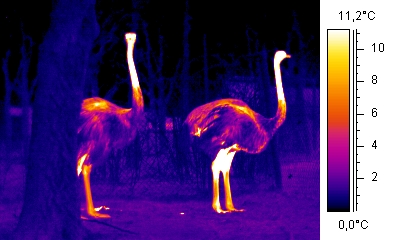
An endotherm (from Greek ἔνδον endon "within" and θέρμη thermē "heat") is an organism that maintains its body at a metabolically favorable temperature, largely by the use of heat released by its internal bodily functions instead of relying almost purely on ambient heat. Such internally generated heat is mainly an incidental product of the animal's routine metabolism, but under conditions of excessive cold or low activity an endotherm might apply special mechanisms adapted specifically to heat production. Examples include special-function muscular exertion such as shivering, and uncoupled oxidative metabolism, such as within brown adipose tissue.

Only birds and mammals are considered truly endothermic groups of animals. However, Argentine black and white tegu, leatherback sea turtles, lamnid sharks, tuna and billfishes, cicadas, and winter moths are mesothermic. Unlike mammals and birds, some reptiles, particularly some species of python and tegu, possess seasonal reproductive endothermy in which they are endothermic only during their reproductive season.

In common parlance, endotherms are characterized as "warm-blooded". The opposite of endothermy is ectothermy, although in general, there is no absolute or clear separation between the nature of endotherms and ectotherms.

Origin

[edit]

Endothermy was thought to have originated towards the end of the Permian Period[1]. One recent study claimed the origin of endothermy within Synapsida (the mammalian lineage) was among Mammaliamorpha, a node calibrated during the Late Triassic period, about 233 million years ago.[2] Another study instead argued that endothermy only appeared later, during the Middle Jurassic, among crown-group mammals.[3]

Evidence for endothermy has been found in basal synapsids ("pelycosaurs"), pareiasaurs, ichthyosaurs, plesiosaurs, mosasaurs, and basal archosauromorphs.[4][5][6] Even the earliest amniotes might have been endotherms.[4]

Mechanisms

[edit]

Generating and conserving heat

[edit]
Sustained energy output of an endothermic animal (mammal) and an ectothermic animal (reptile) as a function of core temperature
This image shows the difference between endotherms and ectotherms. The mouse is endothermic and regulates its body temperature through homeostasis. The lizard is ectothermic and its body temperature is dependent on the environment.

Many endotherms have a larger amount of mitochondria per cell than ectotherms. This enables them to generate heat by increasing the rate at which they metabolize fats and sugars. Accordingly, to sustain their higher metabolism, endothermic animals typically require several times as much food as ectothermic animals do, and usually require a more sustained supply of metabolic fuel.

In many endothermic animals, a controlled temporary state of hypothermia conserves energy by permitting the body temperature to drop nearly to ambient levels. Such states may be brief, regular circadian cycles called torpor, or they might occur in much longer, even seasonal, cycles called hibernation. The body temperatures of many small birds (e.g. hummingbirds) and small mammals (e.g. tenrecs) fall dramatically during daily inactivity, such as nightly in diurnal animals or during the day in nocturnal animals, thus reducing the energy cost of maintaining body temperature. Less drastic intermittent reduction in body temperature also occurs in other larger endotherms; for example human metabolism also slows down during sleep, causing a drop in core temperature, commonly of the order of 1 degree Celsius. There may be other variations in temperature, usually smaller, either endogenous or in response to external circumstances or vigorous exertion, and either an increase or a drop.[7]

The resting human body generates about two-thirds of its heat through metabolism in internal organs in the thorax and abdomen, as well as in the brain. The brain generates about 16% of the total heat produced by the body.[8]

Heat loss is a major threat to smaller creatures, as they have a larger ratio of surface area to volume. Small warm-blooded animals have insulation in the form of fur or feathers. Aquatic warm-blooded animals, such as seals, generally have deep layers of blubber under the skin and any pelage (fur) that they might have; both contribute to their insulation. Penguins have both feathers and blubber. Penguin feathers are scale-like and serve both for insulation and streamlining. Endotherms that live in very cold circumstances or conditions predisposing to heat loss, such as polar waters, tend to have specialised structures of blood vessels in their extremities that act as heat exchangers. The veins are adjacent to the arteries full of warm blood. Some of the arterial heat is conducted to the cold blood and recycled back into the trunk. Birds, especially waders, often have very well-developed heat exchange mechanisms in their legs—those in the legs of emperor penguins are part of the adaptations that enable them to spend months on Antarctic winter ice.[9][10] In response to cold, many warm-blooded animals also reduce blood flow to the skin by vasoconstriction to reduce heat loss. As a result, they blanch (become paler).

Avoiding overheating

[edit]

In equatorial climates and during temperate summers, overheating (hyperthermia) is as great a threat as cold. In hot conditions, many warm-blooded animals increase heat loss by panting, which cools the animal by increasing water evaporation in the breath, and/or flushing, increasing the blood flow to the skin so the heat will radiate into the environment. Hairless and short-haired mammals, including humans and horses, also sweat, since the evaporation of the water in sweat removes heat. Elephants keep cool by using their huge ears like radiators in automobiles. Their ears are thin and the blood vessels are close to the skin, and flapping their ears to increase the airflow over them causes the blood to cool, which reduces their core body temperature when the blood moves through the rest of the circulatory system.

Pros and cons of an endothermic metabolism

[edit]

The major advantage of endothermy over ectothermy is decreased vulnerability to fluctuations in external temperature. Regardless of location (and hence external temperature), endothermy maintains a constant core temperature for optimal enzyme activity.

Endotherms control body temperature by internal homeostatic mechanisms. In mammals, two separate homeostatic mechanisms are involved in thermoregulation—one mechanism increases body temperature, while the other decreases it. The presence of two separate mechanisms provides a very high degree of control. This is important because the core temperature of mammals can be controlled to be as close as possible to the optimal temperature for enzyme activity.

The overall rate of an animal's metabolism increases by a factor of about two for every 10 °C (18 °F) rise in temperature, limited by the need to avoid hyperthermia. Endothermy does not provide greater speed in movement than ectothermy (cold-bloodedness)—ectothermic animals can move as fast as warm-blooded animals of the same size and build when the ectotherm is near or at its optimal temperature, but often cannot maintain high metabolic activity for as long as endotherms. Endothermic/homeothermic animals can be optimally active at more times during the diurnal cycle in places of sharp temperature variations between day and night and during more of the year in places of great seasonal differences of temperature. This is accompanied by the need to expend more energy to maintain the constant internal temperature and a greater food requirement.[11] Endothermy may be important during reproduction, for example, in expanding the thermal range over which a species can reproduce, as embryos are generally intolerant of thermal fluctuations that are easily tolerated by adults.[12][13] Endothermy may also provide protection against fungal infection. While tens of thousands of fungal species infect insects, only a few hundred target mammals, and often only those with a compromised immune system. A recent study[14] suggests fungi are fundamentally ill-equipped to thrive at mammalian temperatures. The high temperatures afforded by endothermy might have provided an evolutionary advantage.

Ectotherms increase their body temperature mostly through external heat sources such as sunlight energy; therefore, they depend on environmental conditions to reach operational body temperatures. Endothermic animals mostly use internal heat production through metabolic active organs and tissues (liver, kidney, heart, brain, muscle) or specialized heat producing tissues like brown adipose tissue (BAT). In general, endotherms therefore have higher metabolic rates than ectotherms at a given body mass. As a consequence they also need higher food intake rates, which may limit abundance of endotherms more than ectotherms.

Because ectotherms depend on environmental conditions for body temperature regulation, they typically are more sluggish at night and in the morning when they emerge from their shelters to heat up in the first sunlight. Foraging activity is therefore restricted to the daytime (diurnal activity patterns) in most vertebrate ectotherms. In lizards, for instance, only a few species are known to be nocturnal (e.g. many geckos) and they mostly use 'sit and wait' foraging strategies that may not require body temperatures as high as those necessary for active foraging. Endothermic vertebrate species are, therefore, less dependent on the environmental conditions and have developed a high variability (both within and between species) in their diurnal activity patterns.[15]

It is thought that the evolution of endothermia was crucial in the development of eutherian mammalian species diversity in the Mesozoic period. Endothermia gave the early mammals the capacity to be active during nighttime while maintaining small body sizes. Adaptations in photoreception and the loss of UV protection characterizing modern eutherian mammals are understood as adaptations for an originally nocturnal lifestyle, suggesting that the group went through an evolutionary bottleneck (the nocturnal bottleneck hypothesis). This could have avoided predator pressure from diurnal reptiles and dinosaurs, although some predatory dinosaurs, being equally endothermic, might have adapted a nocturnal lifestyle in order to prey on those mammals.[15][16]

Facultative endothermy

[edit]

Many insect species are able to maintain a thoracic temperature above the ambient temperature using exercise. These are known as facultative or exercise endotherms.[17] The honey bee, for example, does so by contracting antagonistic flight muscles without moving its wings (see insect thermoregulation).[18][19][20] This form of thermogenesis is, however, only efficient above a certain temperature threshold, and below about 9–14 °C (48–57 °F), the honey bee reverts to ectothermy.[19][20][21]

Facultative endothermy can also be seen in multiple snake species that use their metabolic heat to warm their eggs. Python molurus and Morelia spilota are two python species where females surround their eggs and shiver in order to incubate them.[22]

Regional endothermy

[edit]

Some ectotherms, including several species of fish and reptiles, have been shown to make use of regional endothermy, where muscle activity causes certain parts of the body to remain at higher temperatures than the rest of the body.[23] This allows for better locomotion and use of the senses in cold environments.[23]

Contrast between thermodynamic and biological terminology

[edit]

Students encounter a source of possible confusion between the terminology of physics and biology. Whereas the thermodynamic terms "exothermic" and "endothermic" respectively refer to processes that give out heat energy and processes that absorb heat energy, in biology the sense is effectively reversed. The metabolic terms "ectotherm" and "endotherm" respectively refer to organisms that rely largely on external heat to achieve a full working temperature, and to organisms that produce heat from within as a major factor in controlling their body temperatures.[24]

See also

[edit]

References

[edit]
[edit]
Revisions and contributorsEdit on WikipediaRead on Wikipedia
from Grokipedia
An endotherm is an organism, typically a , that generates metabolic endogenously to maintain its body temperature within a narrow range, largely independent of fluctuating environmental conditions. This physiological strategy, often contrasted with ectothermy, relies on elevated resting metabolic rates to produce through processes such as and non- thermogenesis. Endothermy is most prominently observed in birds and mammals, where it supports a high —typically 5–10 times higher than in ectotherms of similar size—enabling consistent internal temperatures around 37–42°C. Adaptations include insulation via , feathers, or subcutaneous to minimize loss, as well as behavioral mechanisms like seeking or huddling. In some cases, such as certain fish (e.g., tunas and billfishes), regional endothermy occurs through specialized heater tissues derived from eye or muscles, allowing sustained activity in cooler waters. The evolution of endothermy, which arose independently multiple times in vertebrates, confers key advantages including the ability to remain active across diverse climates, enhanced endurance for and predator avoidance, and improved through brooding or . However, it demands substantial energy intake, often 10–15 times that of ectotherms, influencing dietary needs and ecological niches.

Definition and Basics

Definition

An endotherm is an that primarily maintains its body temperature through the production of metabolic generated internally, allowing it to remain largely independent of fluctuating external environmental temperatures. This internal heat production enables endotherms to sustain a consistent internal thermal environment conducive to optimal physiological functions, such as enzymatic activity and muscle performance. Key characteristics of endotherms include a notably high metabolic rate, which fuels the continuous heat generation required for thermal regulation, and the capacity to maintain body within a narrow range—a trait known as in most cases. Birds and mammals represent the primary groups of endothermic vertebrates, exhibiting these traits to support active lifestyles across diverse habitats. In contrast to ectotherms, which rely on external heat sources, endotherms achieve thermal stability through endogenous means. Endotherms possess basic physiological prerequisites that support this thermal strategy, including forms of insulation such as in mammals or feathers in birds, which trap a layer of air to minimize loss. Additionally, behavioral adaptations, such as huddling or postural adjustments, complement internal heat production by further aiding in .

Comparison with Ectotherms

Ectotherms are organisms that primarily rely on external heat sources, such as sunlight or warm substrates, to regulate their body temperature, with limited capacity for internal heat production. In contrast to endotherms, which generate and conserve metabolic heat to maintain a stable internal temperature, ectotherms exhibit body temperatures that closely track environmental conditions, leading to poikilothermy or variable thermal profiles. This fundamental difference influences activity patterns, as endotherms sustain consistent performance across a wide range of ambient temperatures, while ectotherms often become lethargic in cold conditions or overly active in heat without behavioral adjustments like basking or burrowing. Endothermy also imposes higher energetic costs, with basal metabolic rates in endotherms typically 5–10 times greater than those in similarly sized ectotherms, necessitating more frequent foraging and efficient digestion. The following table summarizes key distinctions:
AspectEndothermsEctotherms
Primary heat sourceInternal metabolic processesExternal environmental sources
Body temperatureRelatively constant ()Variable with environment (poikilothermy)
Activity levelsConsistent across temperaturesDependent on ambient temperature
Metabolic demandsHigh, with elevated basal ratesLow, with reduced energy expenditure
Mammals and birds exemplify endotherms, capable of thriving in diverse climates due to their thermal independence, whereas reptiles like lizards and amphibians such as frogs represent ectotherms, often requiring specific microhabitats for optimal function. For example, a mammal of comparable mass to a reptile will exhibit metabolic rates up to 10-fold higher, enabling sustained locomotion but at the cost of greater food intake. Certain animals employ as a transitional strategy, intermittently regulating body temperature internally while allowing environmental influences at other times, bridging the extremes of endothermy and ectothermy.

Evolutionary Origins

Historical Development

Endothermy first emerged in the synapsid lineage, ancestors of mammals, during the middle to late Permian period approximately 260–252 million years ago, as evidenced by elevated body temperatures in therapsid clades like Epicynodontia derived from of . This development occurred amid climatic instability at the Permo-Triassic boundary, marking a shift from ectothermic ancestors. Independently, endothermy evolved in the lineage, precursors to birds, by the around 200–174 million years ago, with physiological evidence from theropod dinosaurs indicating tachymetabolic rates that supported activity in diverse climates. These timelines highlight in response to environmental challenges, with synapsid endothermy predating avian forms by over 100 million years. Selective pressures favoring endothermy arose from the limitations of ectothermy in reptiles, particularly in enabling sustained high-performance locomotion, nocturnal to evade diurnal competitors and predators, and tolerance of cooler climates where ambient temperatures fluctuated widely. During the late Permian and , such advantages likely provided survival benefits post-mass extinction events, allowing endothermic lineages to exploit new ecological niches like extended activity periods and predation on active prey, driving from basal reptilian forms. Genetic evidence supports this transition through upregulation of metabolic genes, notably UCP1 (uncoupling protein 1), which facilitates non-shivering by dissipating mitochondrial proton gradients as , a key innovation in mammalian evolution via neofunctionalization in placental ancestors. Physiologically, skeletal features like nasal turbinates—scroll-like structures in the —emerged in Permian synapsids and cynodonts, functioning as countercurrent exchangers to conserve respiratory and moisture, thereby minimizing water loss and supporting elevated metabolic rates. Genomic studies from the 2020s have revealed multiple independent origins of endothermy beyond traditional and lineages, including in ray-finned fishes such as tunas, opahs, and billfishes, where convergent adaptations in genes like carnmt1 for and dcaf6 for tissue development enabled regional and whole-body heat production during the Eocene–Miocene, driven by ecological interactions with marine mammals. These findings expand the understanding of endothermy's , showing at least four parallel evolutions in fishes alone, with similar genomic signatures of metabolic enhancement in other non-avian, non-mammalian groups.

Evidence from Fossil Record

The fossil record provides key insights into the evolutionary emergence of endothermy through analyses of bone microstructure and geochemical signatures in synapsid and lineages. In basal synapsids such as from the Early Permian (~295 million years ago, mya), reveals parallel-fibered tissue with moderate vascularization and circumferential osteons, indicating growth rates higher than those typical of ectothermic reptiles but not reaching the rapid deposition seen in modern endotherms. This suggests early elevations in metabolic rate among pelycosaur-grade synapsids, potentially linked to predatory lifestyles. Further evidence from Late Permian therapsids (~260 mya), including dicynodonts and cynodonts, comes from oxygen isotope ratios (δ¹⁸O) in , which indicate body temperatures 10–15°C above contemporaneous environmental temperatures (estimated at 20–25°C), pointing to the independent acquisition of endotherm-like thermometabolism in multiple therapsid clades during the Permo-Triassic transition. In the mammalian lineage, stem-mammals like (~200 mya) exhibit transitional physiological traits. Measurements of nutrient foramen size in femoral yield blood flow indices intermediate between those of extant reptiles and mammals, implying maximum metabolic rates (MMR) approximately 2–5 times higher than reptiles but below full mammalian endothermy levels, consistent with a gradual toward sustained high by the . histology in these fossils often includes lamellar-zonal tissue with growth rings, reflecting periodic pauses in deposition akin to ectotherms, yet with denser vascularity suggesting enhanced oxygen delivery supportive of elevated activity. Along the archosaurian line leading to birds, bone microstructure in non-avian theropod dinosaurs from the to (~230–66 mya) frequently features fibrolamellar —a woven-fibered matrix with longitudinal vascular canals—indicative of continuous rapid growth and high metabolic demands, as seen in taxa like and . Haversian remodeling, involving secondary osteons that replace primary , further signals sustained high turnover rates typical of endotherms, appearing in mid-diaphyseal regions of long s across diverse dinosaur groups. For early avialans, Archaeopteryx (~150 mya) displays nearly avascular parallel-fibered lacking extensive fibrolamellar tissue, with growth rates about one-third those of modern birds, implying ectotherm-like or intermediate despite flight capabilities. In contrast, some enantiornithines show woven with higher vascular density and fewer growth rings in juveniles, hinting at accelerated post-hatching growth toward endothermic patterns in certain lineages. Post-2020 geochemical studies reinforce partial endothermy in . Clumped of eggshell carbonates from titanosaurs and theropods yields body temperature estimates averaging 37°C (range 29–46°C), significantly warmer than inferred paleoenvironmental temperatures (~25–30°C), supporting widespread tachymetabolism and thermoregulatory capabilities rather than strict ectothermy. These findings, based on larger datasets and refined models, indicate that many maintained stable internal , bridging ectothermic ancestors and fully endothermic birds and mammals.

Physiological Mechanisms

Heat Generation

Endotherms generate heat primarily through basal , which accounts for the majority of heat production under normal conditions. This process occurs via inefficient mitochondrial respiration, where energy from nutrient oxidation is partially dissipated as rather than fully captured in ATP. Key mechanisms include the proton leak across the , allowing protons to re-enter the matrix without passing through , and the hydrolysis of ATP back to ADP and inorganic phosphate, both contributing to obligatory . These reactions, particularly NADH oxidation and ATP synthesis cycles, produce as a , with proton leak alone accounting for up to 20-30% of basal oxygen consumption in mammals. The temperature sensitivity of these metabolic processes is described by the Q10 effect, where reaction rates approximately double for every 10°C rise in body temperature, reflecting the exponential dependence of enzymatic activity on temperature. This can be modeled as Q(T)=Q(T0)q10(TT0)/10Q(T) = Q(T_0) \cdot q_{10}^{(T - T_0)/10}, where QQ is the metabolic rate, TT and T0T_0 are temperatures, and q10q_{10} is typically 2-3 for endothermic tissues; metabolic rate also scales allometrically with body mass (m3/4\propto m^{3/4}), establishing the scale of heat output from basal metabolism. Major contributors to this heat are highly metabolic organs such as the liver and heart, which together generate a significant portion of total body heat due to their roles in processing nutrients and pumping blood, respectively; for instance, the liver can produce up to 20-25% of resting heat in mammals. Hormonal regulation enhances this baseline production, with thyroid hormones (e.g., triiodothyronine) stimulating mitochondrial activity and increasing overall metabolic rate by up to 50% in hypothyroid states upon supplementation, while norepinephrine amplifies acute responses. When environmental demands exceed basal capacity, endotherms activate facultative thermogenesis. Shivering thermogenesis involves involuntary, rapid contractions that hydrolyze ATP through actin-myosin cross-bridges, generating via friction and elevated respiration without net mechanical work; this can increase output by 5- to 100-fold depending on intensity. Non-shivering thermogenesis (NST), prominent in mammals, occurs mainly in (BAT) through uncoupling protein 1 (UCP1), which dissipates the proton gradient as by shuttling protons back into the , bypassing ATP production and enabling rapid cold defense. NST capacity in BAT can reach 200-300 W/kg, far exceeding shivering efficiency. Hormonal triggers like norepinephrine bind β-adrenergic receptors to activate UCP1 via cyclic AMP signaling. In birds, lacking BAT, NST relies on skeletal muscle and involves UCP1 homologs such as avian UCP (avUCP), which supports proton uncoupling in mitochondria. Recent studies highlight avUCP's role in cold-induced thermogenesis, with expression upregulated in muscle during acclimation, expanding NST mechanisms across endothermic vertebrates beyond mammalian UCP1-dependent pathways. Thyroid hormones also synergize with these processes in birds to enhance metabolic heat without shivering.

Heat Conservation and Dissipation

Endotherms employ several physiological mechanisms to conserve metabolic heat and prevent excessive loss to the environment. Insulation is a primary strategy, achieved through layers of fur in mammals, feathers in birds, and subcutaneous fat in both groups, which reduce conductive and convective heat transfer. Vasoconstriction further aids conservation by constricting peripheral blood vessels, thereby minimizing blood flow to the skin and extremities, which limits radiative and convective heat dissipation. In limbs, countercurrent heat exchange systems—where warm arterial blood transfers heat to cooler venous blood returning to the core—significantly reduce heat loss, particularly in species exposed to cold environments, such as arctic mammals and birds. To manage overheating from internally generated heat, endotherms utilize dissipation strategies that promote heat loss when body temperature exceeds ambient levels. Vasodilation dilates skin blood vessels, increasing peripheral blood flow and facilitating radiative and convective cooling. Evaporative cooling is critical in warm conditions: mammals primarily sweat to evaporate water from the skin, while birds pant to evaporate moisture from respiratory surfaces, both mechanisms accounting for substantial heat loss but at the cost of water. Behavioral adaptations, such as seeking shade or spreading limbs to increase surface exposure, complement these physiological responses by enhancing passive heat dissipation. The balance between heat conservation and dissipation can be modeled using , which approximates non-evaporative heat loss in endotherms as: H=kA(TbTa)H = k \cdot A \cdot (T_b - T_a) where HH is the rate of heat loss, kk is the thermal conductance (influenced by insulation and control), AA is the surface area, TbT_b is the core body temperature, and TaT_a is the ambient temperature. This equation highlights how endotherms adjust kk and AA to maintain , with evaporative losses added separately under heat stress. Physiological limits constrain these mechanisms, as core temperatures exceeding 40–42°C in mammals and birds risk hyperthermia, leading to protein denaturation, enzyme dysfunction, and potential organ failure. Recent research underscores the vulnerability of avian panting efficiency to climate change; a 2024 study on 30 diverse bird species found that rising humidity reduces evaporative cooling efficiency by 27–38%, with greater impacts on non-arid species, potentially limiting heat tolerance in humid environments.

Variations in Endothermy

Obligate Endothermy

Obligate endothermy represents the most rigorous form of internal , characterized by the continuous generation and maintenance of a stable core body through elevated metabolic production, irrespective of external environmental conditions. In mammals, this typically involves sustaining a body around 37–40°C, while in birds it ranges from 38–42°C, achieved via high basal metabolic rates that are 5–10 times greater than those of ectothermic vertebrates of comparable size. These sustained metabolic rates support a tachymetabolic , enabling consistent physiological processes such as rapid growth and high-energy activities without reliance on behavioral adjustments to ambient . This form of endothermy is exemplified in all placental and mammals as well as modern birds, where individuals commit to strict from birth or hatching onward. In these taxa, thermoregulatory independence develops rapidly postnatally, with neonates exhibiting precocial or altricial strategies that quickly stabilize internal heat production through mechanisms like non-shivering in . For instance, avian hatchlings and mammalian pups transition to full endothermic regulation within days to weeks, reflecting an ontogenetic commitment to whole-body heat maintenance that underpins their ecological success in diverse habitats. Adaptations in obligate endotherms include circadian rhythms that modulate metabolic output to align with daily activity cycles, ensuring efficient energy allocation while preserving thermal stability; these rhythms typically cause minor fluctuations in body temperature (around 1–2°C) without compromising homeostasis. Torpor, a temporary reduction in metabolic rate and body temperature, is a common strategy among many obligate endotherms, particularly smaller species, used both routinely (e.g., daily torpor for short-term energy savings) and in response to prolonged shortages (e.g., hibernation bouts lasting days to months), allowing controlled internal rewarming upon arousal. Such episodes allow energy conservation but are quickly reversed through internal rewarming, maintaining the overall commitment to constant endothermy.

Facultative Endothermy

Facultative endothermy refers to the conditional and intermittent elevation of metabolic heat production in response to specific environmental or behavioral triggers, such as cold exposure, reproductive activities, or physical demands, rather than continuous . This form of endothermy allows organisms to temporarily increase body temperature above ambient levels when needed, while reverting to ectothermic-like states under favorable conditions to conserve energy. Triggers often include low ambient temperatures that impair activity, such as flight in or in vertebrates, or reproductive behaviors like that benefit from elevated temperatures. Prominent examples include insect pollinators like bumblebees (Bombus spp.), which activate shivering thermogenesis in their flight muscles to raise thoracic temperatures by up to 30°C above ambient levels, enabling flight in cool conditions below 10°C. In vertebrates, brooding pythons such as the Burmese python (Python bivittatus) and diamond python (Morelia spilota) exhibit facultative endothermy during egg incubation, where females shiver to maintain clutch temperatures 4–6°C above environmental levels for weeks, enhancing embryonic development without constant energy expenditure. Similarly, the black and white tegu lizard (Salvator merianae) displays seasonal endothermy during reproduction, elevating body temperatures by 5–10°C through increased metabolic rates in spring, then resuming ectothermy in non-reproductive periods. Hibernating mammals, including some marsupials and monotremes like the echidna (Tachyglossus aculeatus), enter torpor states with reduced metabolism but can rapidly activate heat production upon arousal from cold-induced dormancy. The physiological basis involves reversible mechanisms that enhance heat generation without proportional ATP production, primarily through uncoupling of in mitochondria. In many cases, this is mediated by proteins such as uncoupling protein 1 () in specialized tissues or sarcolipin in skeletal muscles, which facilitate proton leak across the mitochondrial membrane, dissipating as heat via or non- thermogenesis. For instance, in bumblebees and pythons, asynchronous muscle contractions or prolonged activate this uncoupling, allowing rapid temperature elevation. This reversibility enables savings, as metabolic rates can drop to 10–20% of active levels in warm environments or during rest, reducing overall costs compared to endothermy while supporting survival in fluctuating habitats.

Regional Endothermy

Regional endothermy involves the localized generation and retention of metabolic heat in specific tissues or organs, elevating their temperatures above ambient levels while the remainder of the body functions as ectothermic. This adaptation enables targeted physiological enhancements, such as improved neural function or muscle performance, without the full metabolic costs of whole-body endothermy. It has evolved convergently in various marine vertebrates, particularly active pelagic facing variability during migrations or dives. Prominent examples include lamnid sharks, such as the shortfin mako (Isurus oxyrinchus) and (Carcharodon carcharias), where red oxidative swimming muscles are centralized along the body axis and enriched with mitochondria to produce heat via aerobic respiration. This sustains muscle temperatures up to 20–25°C above , supporting high-speed cruising and burst performance in cold oceanic layers. Similarly, tunas (family , e.g., Thunnus thynnus) maintain elevated temperatures in locomotor red muscle and cranial structures; the latter features a dedicated heater tissue derived from superior rectus eye muscles, comprising modified myocytes devoid of contractile elements but laden with mitochondria for non-shivering . Leatherback sea turtles (Dermochelys coriacea) exhibit core regional endothermy, with central body temperatures reaching 18–25°C warmer than surrounding during polar , facilitated by their massive size (over 900 kg) acting as a thermal buffer. Key mechanisms center on enhanced heat production in specialized tissues through densely packed, often modified mitochondria that prioritize —via processes like proton leak across the inner or futile calcium —over efficient ATP synthesis. Heat retention relies on vascular countercurrent exchangers, or retia mirabilia, networks of arteries and veins that transfer warmth from efferent blood to incoming cooler blood, preventing dissipation to the gills or . These adaptations, while spatially restricted, provide constant thermal elevation in critical areas, distinguishing regional endothermy from temporally variable forms.

Ecological and Metabolic Implications

Advantages

Endothermy enables animals to maintain elevated and relatively constant body temperatures, allowing for sustained high levels of that are unattainable for ectotherms of comparable size. This elevated aerobic capacity supports prolonged exertions, such as sustained flight in birds or in mammals, where endotherms can achieve and maintain higher speeds over extended periods compared to ectotherms, which rely more on anaerobic metabolism during intense efforts. For instance, endotherms exhibit approximately 10- to 30-fold higher maximum oxygen consumption rates than ectotherms for a given body mass, facilitating greater in activities like , territory defense, and migration. A primary advantage of endothermy is the ability to colonize and thrive in cold habitats that exclude most ectothermic vertebrates, as internal heat production decouples activity from ambient temperatures. This thermal independence permits endotherms to remain active during cooler periods, such as night or winter, expanding accessible ecological niches and enabling exploitation of resources unavailable to temperature-limited ectotherms. In temperate and polar regions, endotherms achieve higher densities relative to what ectotherms could sustain, owing to their capacity for consistent behavioral performance across seasonal variations. The stable provided by endothermy also optimizes function, as enzymes in endotherms are adapted to operate efficiently at higher, constant temperatures, enhancing reaction rates and overall metabolic efficiency without the fluctuations that impair ectothermic performance. This biochemical stability supports complex physiological processes, including neural signaling and , contributing to endotherms' roles as dominant apex predators in webs. By sustaining high activity levels, endotherms exert top-down control on ecosystems, regulating prey populations and influencing structure in diverse biomes from forests to tundras.

Disadvantages

Endothermy imposes substantial metabolic costs due to the continuous requirement for internal production, necessitating elevated to sustain high metabolic rates. Small mammals, for instance, often consume 20–50% of their body weight in daily to fuel this ongoing and activity. This relentless demand for calories drives frequent , which can heighten predation risk and constrain opportunities for rest or . In hot climates, endotherms are vulnerable to overheating, as their elevated metabolic output can overwhelm physiological dissipation mechanisms like panting or sweating, potentially leading to and reduced performance. Food scarcity amplifies these risks, with the high baseline expenditure accelerating ; many endotherms respond by entering —a temporary metabolic suppression that lowers body temperature and conserves reserves—but prolonged deprivation can result in death. Evolutionarily, endothermy favors larger body sizes in colder environments per , where increased volume-to-surface area ratios enhance heat retention at the expense of agility and higher absolute food needs. The energetic burden also correlates with lower reproductive rates relative to ectotherms, as resources diverted to limit the number of offspring produced, though endotherms often compensate with greater . Heat dissipation constraints in warm conditions further compound these metabolic vulnerabilities.

Biological vs. Thermodynamic Terminology

Key Differences

In thermodynamics, an is defined as one in which the absorbs from its surroundings, resulting in a positive change in (ΔH > 0). This absorption increases the internal of the , often observed in phase changes like the melting of ice, where flows from the environment into the substance to overcome intermolecular forces. In contrast, biological endothermy refers to the physiological strategy employed by certain organisms, primarily birds and mammals, to generate and regulate internally through elevated metabolic rates, maintaining a stable core temperature independent of ambient conditions. Here, the organism acts as the heat source, producing metabolic via processes such as and muscular activity, which often leads to net to the surroundings rather than absorption. This internal generation contrasts sharply with thermodynamic endothermy, as the flow direction is reversed: originates within the and is managed to prevent overheating, rather than being drawn from external sources. The distinction is exemplified by comparing a , such as the dissolution of in (an where is absorbed from the surroundings, cooling the solution), to the metabolic production in a during rest or activity (where in mitochondria generates endogenously to sustain body temperature). This overlap arose because both fields drew from shared Greek roots (endo- meaning "within" and therm- meaning "heat"), but modern usage in favors "endotherm" or "endothermy" to clarify the internal production aspect and avoid confusion with thermodynamic processes.

Implications for Scientific Usage

The terminological overlap between biological endothermy—referring to organisms that generate internal metabolic to regulate body temperature—and thermodynamic endothermy, which describes chemical reactions absorbing from surroundings, poses risks of in interdisciplinary fields like . This misapplication can lead to inaccurate predictions in studies of budgets or evolutionary adaptations, as biological endothermy involves sustained generation for rather than isolated absorption. To address these issues, best practices in scientific communication advocate reserving "endotherm" strictly for biological organisms, such as mammals and birds, while qualifying chemical contexts as "endothermic processes" or "endothermic reactions" to highlight the distinct mechanisms. This distinction promotes clarity in peer-reviewed literature and educational materials, reducing errors in cross-disciplinary collaborations, such as those integrating biochemistry with . The adoption of these distinct terms traces back to the late for chemistry, with "endothermic" coined in by French chemist to describe heat-absorbing reactions, while biological usage of "endotherm" emerged in mid-20th-century to differentiate organismal heat production from chemical processes. This separation was reinforced through physiological research in the 1940s–1960s, replacing vague descriptors like "" with precise to better reflect metabolic realities.

References

Add your contribution
Related Hubs
User Avatar
No comments yet.