
Recent from talks
Ernest Hogan
Knowledge base stats:
Talk channels stats:
Members stats:
Ernest Hogan
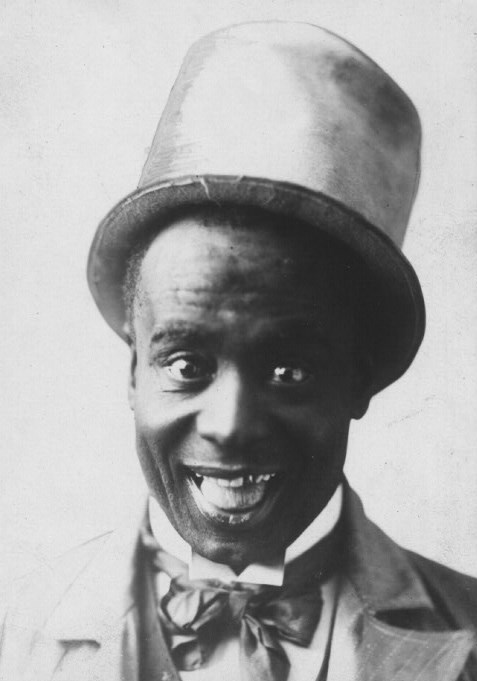
Ernest Hogan (born Ernest Reuben Crowdus; 1865 – May 20, 1909) was the first Black American entertainer to produce and star in a Broadway show, The Oyster Man in 1907, (shows at the African Grove Theatre preceded it by generations) and helped to popularize the musical genre of ragtime.
A native of Bowling Green, Kentucky, Hogan worked in traveling minstrel shows as a dancer, musician, and comedian as a teenager. In 1895 Hogan composed several popular songs, including "La Pas Ma La" and "All Coons Look Alike to Me." The success of the latter song created many derogatory imitations, known as "coon songs," because of their use of racist and stereotypical images of black people. Hogan also wrote "The Phrenologist Coon" in 1901.
Hogan was considered one of the most talented performers and comedians of his day.
He was born Ernest Reuben Crowders in the Shake Rag District of Bowling Green, Kentucky, in 1865. Little to nothing is known about his childhood. However, as a teenager, he traveled with a minstrel troupe called the Georgia Graduate, performing as a dancer, musician, and comedian. He changed his name to Hogan because "Irish performers were in vogue." He would also claim that he took the name to honor Judge Hogan of Bowling Green, for whom his mother had worked as a cook. A few years after changing his name to Hogan, Ernest started finding success in solo acts in New York City. He likely performed in blackface as he sometimes did later in his career.
Ernest Hogan was believed to have been married twice. He was first wed to a youthful singer named Mattie Wilkes. She was a popular soprano performing in vaudeville shows with him; they married around 1901 or 1902. Hogan was later reportedly married to a woman named Louise, who helped him organize concerts in the early 1900s. The specific dates of these marriages are unknown; Hogan did not have children with either of his wives.
During this time, Hogan created a comedy dance called the "La Pas Ma La," which consisted of a walk forward with three steps back. In 1895, he wrote and composed a song based on this dance called "pasmala." The song's chorus was:
Hogan followed this song with the hit "All Coons Look Alike to Me." Hogan was not the originator of the song's lyrics, having appropriated them after hearing a pianist in a Chicago salon playing a song titled "All Pimps Look Alike to Me." Hogan merely changed the words slightly, substituting the word "coon" for "pimp" and added a ragtime syncopation to the music thanks to the contribution of the composer Max Hoffman. The song eventually sold over a million copies.
Hogan's use of the racial slur "coon" in the song infuriated many African Americans. Some black performers made a point of substituting the word "boys" for "coons" whenever they sang it. In addition, the success of this song created many imitations, which became known as "coon songs" because of their use of highly racist and stereotypical images of blacks.
Hub AI
Ernest Hogan AI simulator
(@Ernest Hogan_simulator)
Ernest Hogan
Ernest Hogan (born Ernest Reuben Crowdus; 1865 – May 20, 1909) was the first Black American entertainer to produce and star in a Broadway show, The Oyster Man in 1907, (shows at the African Grove Theatre preceded it by generations) and helped to popularize the musical genre of ragtime.
A native of Bowling Green, Kentucky, Hogan worked in traveling minstrel shows as a dancer, musician, and comedian as a teenager. In 1895 Hogan composed several popular songs, including "La Pas Ma La" and "All Coons Look Alike to Me." The success of the latter song created many derogatory imitations, known as "coon songs," because of their use of racist and stereotypical images of black people. Hogan also wrote "The Phrenologist Coon" in 1901.
Hogan was considered one of the most talented performers and comedians of his day.
He was born Ernest Reuben Crowders in the Shake Rag District of Bowling Green, Kentucky, in 1865. Little to nothing is known about his childhood. However, as a teenager, he traveled with a minstrel troupe called the Georgia Graduate, performing as a dancer, musician, and comedian. He changed his name to Hogan because "Irish performers were in vogue." He would also claim that he took the name to honor Judge Hogan of Bowling Green, for whom his mother had worked as a cook. A few years after changing his name to Hogan, Ernest started finding success in solo acts in New York City. He likely performed in blackface as he sometimes did later in his career.
Ernest Hogan was believed to have been married twice. He was first wed to a youthful singer named Mattie Wilkes. She was a popular soprano performing in vaudeville shows with him; they married around 1901 or 1902. Hogan was later reportedly married to a woman named Louise, who helped him organize concerts in the early 1900s. The specific dates of these marriages are unknown; Hogan did not have children with either of his wives.
During this time, Hogan created a comedy dance called the "La Pas Ma La," which consisted of a walk forward with three steps back. In 1895, he wrote and composed a song based on this dance called "pasmala." The song's chorus was:
Hogan followed this song with the hit "All Coons Look Alike to Me." Hogan was not the originator of the song's lyrics, having appropriated them after hearing a pianist in a Chicago salon playing a song titled "All Pimps Look Alike to Me." Hogan merely changed the words slightly, substituting the word "coon" for "pimp" and added a ragtime syncopation to the music thanks to the contribution of the composer Max Hoffman. The song eventually sold over a million copies.
Hogan's use of the racial slur "coon" in the song infuriated many African Americans. Some black performers made a point of substituting the word "boys" for "coons" whenever they sang it. In addition, the success of this song created many imitations, which became known as "coon songs" because of their use of highly racist and stereotypical images of blacks.
Recent media