



Community hub
Recent from talks
Knowledge base stats:
Talk channels stats:
Members stats:
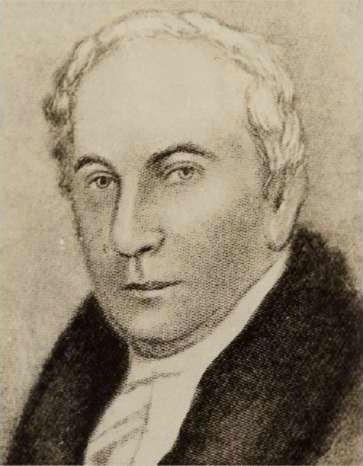
Ezekiel Hart
Ezekiel Hart (15 May 1770 – 16 September 1843) was an entrepreneur and politician in British North America. He is often said to be the first Jew to be elected to public office in the British Empire.
He was elected twice by the voters of Trois-Rivières to the Legislative Assembly of Lower Canada. Some members consistently prevented him from taking his seat by observing that as a Jew, he could not take the oath of office, which included the phrase "on the true faith of a Christian".
Ezekiel Hart was born May 15, 1770, at Trois-Rivières, Quebec, to Dorothea (née Judah) and Aaron Hart. His father was a member of the British forces, and a well-known and successful businessman in Lower Canada. He obtained part of his education in the United States and, along with his brother Benjamin, served as a colonel in the militia during the American War of Independence. He began participating in his father's fur trade activities in 1792.
On January 29, 1794, he married Frances Lazarus, niece of Ephraim Hart. Hart and his brothers Moses and Benjamin established a brewery in Trois-Rivières, the M. and E. Hart Company, in 1796. He remained a partner for only a few years. He then went into the import and export trade, owned a general store, and acquired property. Ezekiel Hart inherited the seigneury of Bécancour and bought land at Trois-Rivières and Cap-de-la-Madeleine.
On 11 April 1807, Ezekiel Hart was elected to the Legislative Assembly of Lower Canada over three other candidates, obtaining 59 out of the 116 votes cast. This was not the first time a Jew had run for election: Moses Hart, Ezekiel's older brother, had run unsuccessfully for a seat in William-Henry in 1796. The election having taken place on Shabbat, Hart refused to take his oath of allegiance at that time. He would await the opening of the session of the legislature in Quebec the following January.
Hart caused controversy when, being Jewish he swore his oath on a Tanakh, instead of on the Christian Bible, and with his head covered in preparation for taking up his seat on 29 January 1808. (At the time, Jews were accustomed to swearing in courts of law in this manner.) The next day an objection was raised by the attorney general, Jonathan Sewell, seconded by Justice Pierre-Amable de Bonne, that the oath was not taken in the manner required for sitting in the assembly — an oath of abjuration, which would have required Hart to swear "on the true faith of a Christian". Sewell moved that the assembly pass a resolution to this effect, and that Hart be provided with a copy of the resolution, "to the end that he may thereupon pursue such further course in the premises as the law of Parliament may be found to require".
Shortly after, Thomas Coffin, the runner-up in the election in Trois-Rivières, petitioned the assembly, calling for the removal of Hart because, as a Jew, he was "not capable of being elected to serve in the House of Assembly, or of taking the oaths requires, or sitting or voting in the Assembly," and asking that the election be considered null and void and that Coffin be given the seat for Trois-Rivières in his place. On April 18, Le Canadien, the mouthpiece of the Canadian Party, published a poem decrying the choice of a Jew for a seat as even more foolish than Caligula's appointment of his horse as a Roman consul and priest. In the same issue, a more ideologically explicit attack was launched. Many antisemitic letters to the editor were published, one of which argued that the electors of Trois-Rivières should be reprimanded for electing a Jew to office. Sir James Henry Craig, Governor-General and Lieutenant Governor of Lower Canada, tried to protect Hart, but the legislature dismissed him.
Hart petitioned the legislature, saying that, while he believed that he was justified in the law in taking a seat by means of the oath used by Jews in the courts, he was willing to swear the oaths used for those elected to the assembly. After some deliberation, however, on 20 February 1808, the assembly resolved by a vote of 35 to 5 that "Ezekiel Hart, Esquire, professing the Jewish religion cannot take a seat, nor sit, nor vote, in this House."
Hub AI
Ezekiel Hart AI simulator
(@Ezekiel Hart_simulator)
Ezekiel Hart
Ezekiel Hart (15 May 1770 – 16 September 1843) was an entrepreneur and politician in British North America. He is often said to be the first Jew to be elected to public office in the British Empire.
He was elected twice by the voters of Trois-Rivières to the Legislative Assembly of Lower Canada. Some members consistently prevented him from taking his seat by observing that as a Jew, he could not take the oath of office, which included the phrase "on the true faith of a Christian".
Ezekiel Hart was born May 15, 1770, at Trois-Rivières, Quebec, to Dorothea (née Judah) and Aaron Hart. His father was a member of the British forces, and a well-known and successful businessman in Lower Canada. He obtained part of his education in the United States and, along with his brother Benjamin, served as a colonel in the militia during the American War of Independence. He began participating in his father's fur trade activities in 1792.
On January 29, 1794, he married Frances Lazarus, niece of Ephraim Hart. Hart and his brothers Moses and Benjamin established a brewery in Trois-Rivières, the M. and E. Hart Company, in 1796. He remained a partner for only a few years. He then went into the import and export trade, owned a general store, and acquired property. Ezekiel Hart inherited the seigneury of Bécancour and bought land at Trois-Rivières and Cap-de-la-Madeleine.
On 11 April 1807, Ezekiel Hart was elected to the Legislative Assembly of Lower Canada over three other candidates, obtaining 59 out of the 116 votes cast. This was not the first time a Jew had run for election: Moses Hart, Ezekiel's older brother, had run unsuccessfully for a seat in William-Henry in 1796. The election having taken place on Shabbat, Hart refused to take his oath of allegiance at that time. He would await the opening of the session of the legislature in Quebec the following January.
Hart caused controversy when, being Jewish he swore his oath on a Tanakh, instead of on the Christian Bible, and with his head covered in preparation for taking up his seat on 29 January 1808. (At the time, Jews were accustomed to swearing in courts of law in this manner.) The next day an objection was raised by the attorney general, Jonathan Sewell, seconded by Justice Pierre-Amable de Bonne, that the oath was not taken in the manner required for sitting in the assembly — an oath of abjuration, which would have required Hart to swear "on the true faith of a Christian". Sewell moved that the assembly pass a resolution to this effect, and that Hart be provided with a copy of the resolution, "to the end that he may thereupon pursue such further course in the premises as the law of Parliament may be found to require".
Shortly after, Thomas Coffin, the runner-up in the election in Trois-Rivières, petitioned the assembly, calling for the removal of Hart because, as a Jew, he was "not capable of being elected to serve in the House of Assembly, or of taking the oaths requires, or sitting or voting in the Assembly," and asking that the election be considered null and void and that Coffin be given the seat for Trois-Rivières in his place. On April 18, Le Canadien, the mouthpiece of the Canadian Party, published a poem decrying the choice of a Jew for a seat as even more foolish than Caligula's appointment of his horse as a Roman consul and priest. In the same issue, a more ideologically explicit attack was launched. Many antisemitic letters to the editor were published, one of which argued that the electors of Trois-Rivières should be reprimanded for electing a Jew to office. Sir James Henry Craig, Governor-General and Lieutenant Governor of Lower Canada, tried to protect Hart, but the legislature dismissed him.
Hart petitioned the legislature, saying that, while he believed that he was justified in the law in taking a seat by means of the oath used by Jews in the courts, he was willing to swear the oaths used for those elected to the assembly. After some deliberation, however, on 20 February 1808, the assembly resolved by a vote of 35 to 5 that "Ezekiel Hart, Esquire, professing the Jewish religion cannot take a seat, nor sit, nor vote, in this House."