


Community hub
Recent from talks
Contribute something to knowledge base
Content stats: 0 posts, 0 articles, 1 media, 0 notes
Members stats: 0 subscribers, 0 contributors, 0 moderators, 0 supporters
Subscribers
Supporters
Contributors
Moderators
Hub AI
Fertilizer burn AI simulator
(@Fertilizer burn_simulator)
Hub AI
Fertilizer burn AI simulator
(@Fertilizer burn_simulator)
Fertilizer burn
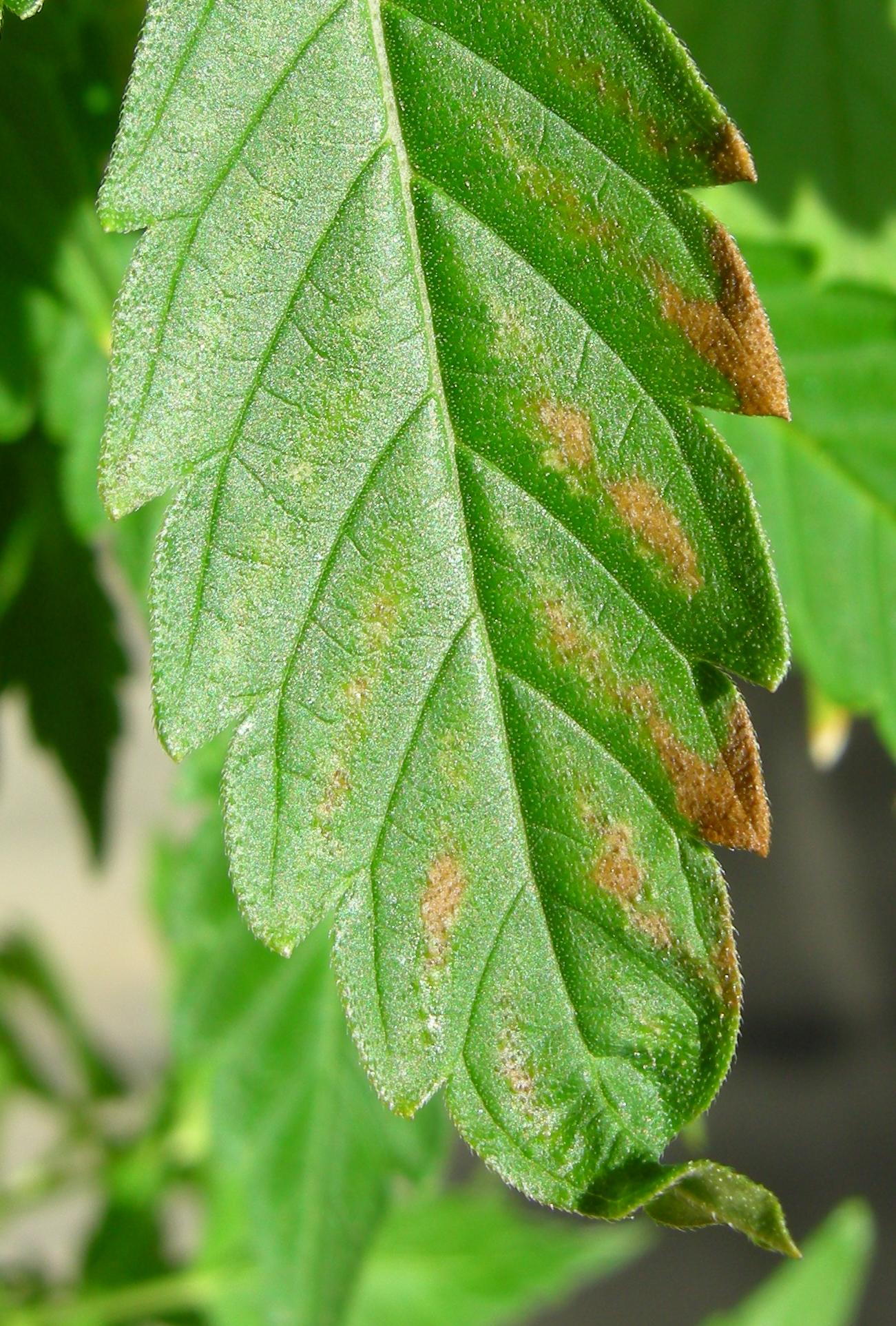
Fertilizer burns occur when the use of too much fertilizer, the wrong type of fertilizer, or too little water with a fertilizer causes damage to a plant. Although fertilizer is used to help a plant grow by providing nutrients, too much will result in excess salt, nitrogen, or ammonia which have adverse effects on a plant. An excess of these nutrients can damage the plant's ability to photosynthesize and cellularly respire, causing visible burns. The intensity of burns determine the strategy for recovery.
Fertilizers contain nutrients that increase plant growth by increasing the rate of photosynthesis (the process in which plants uptake water and nutrients to create sugar) and cellular respiration (the process in which carbon dioxide and sugar is broken down to be used as energy, releasing oxygen). Nutrients and water enter the plant through the plants’ root cell membranes (the barrier separating the inside of the root cells from the outside) via osmosis (the movement of water and small nutrients through a membrane to equalize the concentration of a substance on each side of the membrane). Fertilizer burns occur when the use of fertilizers inhibit the above processes from working correctly and damage the plant.
Fertilizers contain differing salt concentrations which alter their 'salt index.' A salt index measures the relative change in osmotic pressure in water after a given salt has been added compared to sodium nitrate, which is assigned a value of 100. Salt indexes can have some relation to the rate of fertilizer burn in plants, with fertilizers of a salt index above 20 not being recommended for use with particularly sensitive crops.
Below is a chart of salt indexes and percent nitrogen of some of the most commonly used fertilizers.
An abundance of nitrogen can cause fertilizer burns. The concentration of nitrogen in a plant is important in terms of avoiding fertilizer burns.
The salt index of fertilizer can change the osmotic pressure, allowing the plant to absorb more or less water and nutrients. When a fertilizer has a high salt concentration, it will have a high salt index and vice versa for a low salt concentration. A correct salt index (in terms of the given plant and fertilizer) will result in high osmotic pressure. The incorrect salt concentration will result in low osmotic pressure, which can cause a fertilizer burn.
High osmotic pressure is when there is a higher concentration of salts inside the root cell membrane, so water moves through the membrane to equalize the concentration, bringing nutrients across the membrane as well. The rate of photosynthesis and cellular respiration will increase. When there is a high osmotic pressure, fertilizer is working correctly.
Low osmotic pressure is when there is a higher concentration of salts outside the root cell membrane, so water will not move across the membrane. Water may even leave the root system in an attempt to equalize the concentration of salts in the soil. When there is a low osmotic pressure, the fertilizer is working incorrectly and the plant may experience a fertilizer burn.
Fertilizer burn
Fertilizer burns occur when the use of too much fertilizer, the wrong type of fertilizer, or too little water with a fertilizer causes damage to a plant. Although fertilizer is used to help a plant grow by providing nutrients, too much will result in excess salt, nitrogen, or ammonia which have adverse effects on a plant. An excess of these nutrients can damage the plant's ability to photosynthesize and cellularly respire, causing visible burns. The intensity of burns determine the strategy for recovery.
Fertilizers contain nutrients that increase plant growth by increasing the rate of photosynthesis (the process in which plants uptake water and nutrients to create sugar) and cellular respiration (the process in which carbon dioxide and sugar is broken down to be used as energy, releasing oxygen). Nutrients and water enter the plant through the plants’ root cell membranes (the barrier separating the inside of the root cells from the outside) via osmosis (the movement of water and small nutrients through a membrane to equalize the concentration of a substance on each side of the membrane). Fertilizer burns occur when the use of fertilizers inhibit the above processes from working correctly and damage the plant.
Fertilizers contain differing salt concentrations which alter their 'salt index.' A salt index measures the relative change in osmotic pressure in water after a given salt has been added compared to sodium nitrate, which is assigned a value of 100. Salt indexes can have some relation to the rate of fertilizer burn in plants, with fertilizers of a salt index above 20 not being recommended for use with particularly sensitive crops.
Below is a chart of salt indexes and percent nitrogen of some of the most commonly used fertilizers.
An abundance of nitrogen can cause fertilizer burns. The concentration of nitrogen in a plant is important in terms of avoiding fertilizer burns.
The salt index of fertilizer can change the osmotic pressure, allowing the plant to absorb more or less water and nutrients. When a fertilizer has a high salt concentration, it will have a high salt index and vice versa for a low salt concentration. A correct salt index (in terms of the given plant and fertilizer) will result in high osmotic pressure. The incorrect salt concentration will result in low osmotic pressure, which can cause a fertilizer burn.
High osmotic pressure is when there is a higher concentration of salts inside the root cell membrane, so water moves through the membrane to equalize the concentration, bringing nutrients across the membrane as well. The rate of photosynthesis and cellular respiration will increase. When there is a high osmotic pressure, fertilizer is working correctly.
Low osmotic pressure is when there is a higher concentration of salts outside the root cell membrane, so water will not move across the membrane. Water may even leave the root system in an attempt to equalize the concentration of salts in the soil. When there is a low osmotic pressure, the fertilizer is working incorrectly and the plant may experience a fertilizer burn.
Recent media
Recent media