Hubbry Logo
FiberFiberMain
Open search
Fiber
Community hub
Fiber
logo
8 pages, 0 posts
0 subscribers
Be the first to start a discussion here.
Fiber
Fiber
from Wikipedia

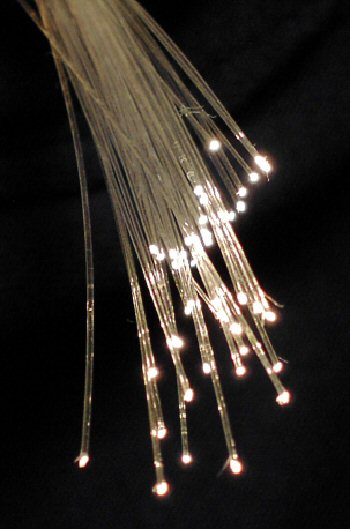
A bundle of optical fibers

Fiber (spelled fibre in British English; from Latin: fibra)[1] is a natural or artificial substance that is significantly longer than it is wide.[2] Fibers are often used in the manufacture of other materials. The strongest engineering materials often incorporate fibers, for example carbon fiber and ultra-high-molecular-weight polyethylene.

Synthetic fibers can often be produced very cheaply and in large amounts compared to natural fibers, but for clothing natural fibers have some benefits, such as comfort, over their synthetic counterparts.

Natural fibers

[edit]
Various natural fibers from plants found in the Philippines. Labels show the plant names

Natural fibers develop or occur in the fiber shape, and include those produced by plants, animals, and geological processes.[2] They can be classified according to their origin:

Artificial fibers

[edit]

Artificial or chemical fibers are fibers whose chemical composition, structure, and properties are significantly modified during the manufacturing process. In fashion, a fiber is a long and thin strand or thread of material that can be knit or woven into a fabric.[4] Artificial fibers consist of regenerated fibers and synthetic fibers.

Semi-synthetic fibers

[edit]

Semi-synthetic fibers are made from raw materials with naturally long-chain polymer structure and are only modified and partially degraded by chemical processes, in contrast to completely synthetic fibers such as nylon (polyamide) or dacron (polyester), which the chemist synthesizes from low-molecular weight compounds by polymerization (chain-building) reactions. The earliest semi-synthetic fiber is the cellulose regenerated fiber, rayon.[5] Most semi-synthetic fibers are cellulose regenerated fibers.

Cellulose regenerated fibers

[edit]

Cellulose fibers are a subset of artificial fibers, regenerated from natural cellulose. The cellulose comes from various sources: rayon from tree wood fiber, bamboo fiber from bamboo, seacell from seaweed, etc. In the production of these fibers, the cellulose is reduced to a fairly pure form as a viscous mass and formed into fibers by extrusion through spinnerets. Therefore, the manufacturing process leaves few characteristics distinctive of the natural source material in the finished products.

Some examples of this fiber type are:

Historically, cellulose diacetate and -triacetate were classified under the term rayon, but are now considered distinct materials.

Synthetic fibers

[edit]

Synthetic come entirely from synthetic materials such as petrochemicals, unlike those artificial fibers derived from such natural substances as cellulose or protein.[6]

Fiber classification in reinforced plastics falls into two classes: (i) short fibers, also known as discontinuous fibers, with a general aspect ratio (defined as the ratio of fiber length to diameter) between 20 and 60, and (ii) long fibers, also known as continuous fibers, the general aspect ratio is between 200 and 500.[7]

Metallic fibers

[edit]

Metallic fibers can be drawn from ductile metals such as copper, gold or silver and extruded or deposited from more brittle ones, such as nickel, aluminum or iron.

Carbon fiber

[edit]

Carbon fibers are often based on oxidized and via pyrolysis carbonized polymers like PAN, but the end product is almost pure carbon.

Silicon carbide fiber

[edit]

Silicon carbide fibers, where the basic polymers are not hydrocarbons but polymers, where about 50% of the carbon atoms are replaced by silicon atoms, so-called poly-carbo-silanes. The pyrolysis yields an amorphous silicon carbide, including mostly other elements like oxygen, titanium, or aluminium, but with mechanical properties very similar to those of carbon fibers.

Fiberglass

[edit]

Fiberglass, made from specific glass, and optical fiber, made from purified natural quartz, are also artificial fibers that come from natural raw materials, silica fiber, made from sodium silicate (water glass) and basalt fiber made from melted basalt.

Mineral fibers

[edit]

Mineral fibers can be particularly strong because they are formed with a low number of surface defects; asbestos is a common one.[8]

Polymer fibers

[edit]
  • Polymer fibers are a subset of artificial fibers, which are based on synthetic chemicals (often from petrochemical sources) rather than arising from natural materials by a purely physical process. These fibers are made from:
  • Coextruded fibers have two distinct polymers forming the fiber, usually as a core-sheath or side by side. Coated fibers exist such as nickel-coated to provide static elimination, silver-coated to provide anti-bacterial properties and aluminum-coated to provide RF deflection for radar chaff. Radar chaff is actually a spool of continuous glass tow that has been aluminum coated. An aircraft-mounted high speed cutter chops it up as it spews from a moving aircraft to confuse radar signals.

Microfibers

[edit]

Invented in Japan in the early 1980s, microfibers are also known as microdenier fibers. Acrylic, nylon, polyester, lyocell and rayon can be produced as microfibers. In 1986, Hoechst A.G. of Germany produced microfiber in Europe. This fiber made it way into the United States in 1990 by DuPont.[9]

Microfibers in textiles refer to sub-denier fiber (such as polyester drawn to 0.5 denier). Denier and Dtex are two measurements of fiber yield based on weight and length. If the fiber density is known, you also have a fiber diameter, otherwise it is simpler to measure diameters in micrometers. Microfibers in technical fibers refer to ultra-fine fibers (glass or meltblown thermoplastics) often used in filtration. Newer fiber designs include extruding fiber that splits into multiple finer fibers. Most synthetic fibers are round in cross-section, but special designs can be hollow, oval, star-shaped or trilobal. The latter design provides more optically reflective properties. Synthetic textile fibers are often crimped to provide bulk in a woven, non woven or knitted structure. Fiber surfaces can also be dull or bright. Dull surfaces reflect more light while bright tends to transmit light and make the fiber more transparent.

Very short and/or irregular fibers have been called fibrils. Natural cellulose, such as cotton or bleached kraft, show smaller fibrils jutting out and away from the main fiber structure.[10]

Typical properties of selected fibers

[edit]

Fibers can be divided into natural and artificial (synthetic) substance, their properties can affect their performance in many applications. Synthetic fiber materials are increasingly replacing other conventional materials like glass and wood in a number of applications.[11] This is because artificial fibers can be engineered chemically, physically, and mechanically to suit particular technical engineering.[12] In choosing a fiber type, a manufacturer would balance their properties with the technical requirements of the applications. Various fibers are available to select for manufacturing. Here are typical properties of the sample natural fibers as compared to the properties of artificial fibers.

Table 1. Typical Properties of Selected Natural Fibers[13][14]
Fiber type Fiber Diameter

(in)

Specific Gravity Tensile Strength

(Ksi)

Elastic Modulus

(Ksi)

Elongation at Break

(%)

Water Absorption

(%)

Wood Fiber

(Kraft Pulp)

0.001–0.003 1.5 51–290 1500–5800 N/A 50–75
Musamba N/A N/A 12 130 9.7 N/A
Coconut 0.004–0.016 1.12–1.15 17.4–29 2750–3770 10–25 130–180
Sisal 0.008–0.016[15] 1.45[15] 40–82.4 1880–3770 3–5 60–70
Sugar Cane Bagasse 0.008–0.016 1.2–1.3 26.7–42 2175–2750 1.1[16] 70–75
Bamboo 0.002–0.016 1.5 50.8–72.5 4780–5800 N/A 40–45
Jute 0.004–0.008 1.02–1.04 36.3–50.8 3770–4640 1.5–1.9 28.64[17]
Elephant grass 0.003–0.016[18] 0.818[18] 25.8 710 3.6 N/Ab
a  Adapted from ACI 544. IR-96 P58, reference [12] P240 and [13]

b  N/A means properties not readily available or not applicable


Table 2. Properties of Selected Artificial Fibers
Fiber type Fiber Diameter

(0.001 in)

Specific Gravity Tensile Strength (Ksi) Elasticity Modulus  

(Ksi)

Elongation at Break

(%)

Water Absorption

(%)

Melting Point

(°C)

Maximum Working

Temp (°C)

Steel 4–40 7.8 70–380 30,000 0.5–3.5 nil 1370[19] 760[19]
Glass 0.3–0.8 2.5 220–580 10,400–11,600 2–4 N/A 1300 1000
Carbon 0.3–0.35 0.90 260–380 33,400–55,100 0.5–1.5 nil 3652–3697[20] N/A
Nylon 0.9 1.14 140 750 20–30 2.8–5.0 220–265 199
Acrylics 0.2–0.7 1.14–1.18 39–145 2,500–2,800 20–40 1.0–2.5 Decomp 180
Aramid 0.4–0.5 1.38–1.45 300–450 9,000–17,000 2–12 1.2–4.3 Decomp 450
Polyester 0.4–3.0 1.38 40–170 2,500 8–30 0.4 260 170
Polypropylene 0.8–8.0 0.9 65–100 500–750 10–20 nil 165 100
Polyethylene

   Low

   High

1.0-40.0

0.92

0.95

11–17

50–71

725

25–50

20–30

nil

nil

110

135

55

65

a  Adapted from ACI 544. IR-96 P40, reference [12] P240, [11] P209 and [13]

b  N/A means properties not readily available or not applicable

The tables above just show typical properties of fibers, in fact there are more properties which could be referred as follows (from a to z):[14]

Arc Resistance, Biodegradable, Coefficient of Linear Thermal Expansion, Continuous Service Temperature, Density of Plastics, Ductile / Brittle Transition Temperature, Elongation at Break, Elongation at Yield, Fire Resistance, Flexibility, Gamma Radiation Resistance, Gloss, Glass Transition Temperature, Hardness, Heat Deflection Temperature, Shrinkage, Stiffness, Ultimate tensile strength, Thermal Insulation, Toughness, Transparency, UV Light Resistance, Volume Resistivity, Water absorption, Young's Modulus

See also

[edit]

References

[edit]
Revisions and contributorsEdit on WikipediaRead on Wikipedia
from Grokipedia
A fiber is a long, thin strand or thread of material, typically with a length at least 100 times its , that can be spun into and processed into fabrics or other structures. Fibers are broadly classified as natural, derived from (e.g., , ), animals (e.g., , ), or minerals (e.g., ), or man-made, produced through chemical synthesis (e.g., , ) or regeneration from natural polymers (e.g., ). Fibers serve as the fundamental building blocks for textiles, apparel, and industrial applications such as composites, ropes, and materials. Their properties, including strength, flexibility, and , determine suitability for various uses.

Overview

Definition and Characteristics

A fiber is defined as a long, thin strand or thread of material characterized by a high , typically greater than 100 (length-to-diameter ratio), which enables it to be , woven, or otherwise processed into yarns or fabrics. This elongated structure distinguishes fibers from other forms of matter, such as particles or films, and is fundamental to their utility in applications like textiles and composites. The English term "fiber" (also spelled "fibre" in British English) refers in this article to material fibers as defined above. It translates to "Faser" in German for the general material sense, with "Ballaststoff" used for dietary fiber and "Glasfaser" for optical fiber. In Albanian, it translates to "fibër", commonly used in technical contexts such as "fibër optike" for optical fiber. Key characteristics of fibers include tensile strength, which measures their resistance to breaking under tension; flexibility, allowing them to bend repeatedly without fracturing; and elongation, the extent to which they can stretch before breaking. Fibers also exhibit a typical ranging from 1 to 100 micrometers, influencing their and handling properties, and crystallinity, referring to the degree of ordered molecular arrangement that affects overall strength and durability. Fibers are classified based on origin into natural (derived from , animals, or minerals) and man-made (produced through chemical or mechanical processes); by chemical composition into organic (carbon-based polymers) and inorganic (such as or metal oxides); and by structure into monofilament (a single continuous strand) or multifilament (multiple strands bundled together). These frameworks provide a basis for understanding fiber behavior and selection in various contexts. Common fiber forms include staple fibers, which are short lengths (typically under 100 mm) suitable for spinning into yarns, and continuous filaments, which are indefinitely long and can be directly used or converted into multifilament yarns or nonwoven structures through bonding rather than weaving.

Historical Development

The use of natural fibers dates back to prehistoric times, with the earliest known evidence consisting of twisted flax fibers discovered in a cave in the Republic of Georgia, dating to approximately 34,000 years ago. These artifacts, found alongside stone tools and bone implements, indicate early human manipulation of plant materials for cordage or rudimentary textiles. In ancient China, silk production emerged around 2700 BCE, as evidenced by silk fabrics from the Neolithic site of Qianshanyang in Zhejiang Province, marking the beginning of sericulture and the domestication of silkworms for fiber extraction. Similarly, cotton cultivation in the Indus Valley Civilization began around 5000 BCE, with archaeological remains of cotton fibers and seeds unearthed at the Neolithic site of Mehrgarh in present-day Pakistan, demonstrating early agricultural practices for textile purposes. The in the transformed fiber processing through mechanization, shifting production from artisanal to factory-based systems. In 1764, invented the , a multi-spindle device that enabled one worker to spin multiple threads simultaneously, dramatically increasing and output and paving the way for textile mills. This was followed in 1785 by Edmund Cartwright's , which automated and further accelerated , leading to the proliferation of mills in Britain and later globally, where steam power integrated spinning and weaving into large-scale operations. The late saw the advent of man-made fibers, beginning with regenerated . In , chemists Charles Frederick Cross and Edward John Bevan developed viscose , the first commercial semi-synthetic fiber derived from wood pulp, which was patented and produced on an industrial scale by the early 1900s. Synthetic fibers followed in the 20th century: at synthesized in 1935, introducing the first fully synthetic fiber for textiles and later military uses. was invented in 1941 by John Rex Whinfield and James Tennant Dickson at the Calico Printers' Association in , offering durable, wrinkle-resistant alternatives that quickly gained traction in apparel. Post-World War II innovations expanded high-performance fibers for specialized applications. In 1958, at produced the first high-strength through of precursors, enabling lightweight composites for . Aramids emerged in 1965 when at created , a para-aramid renowned for its exceptional tensile strength and heat resistance. In the 2010s, bio-engineered fibers advanced with recombinant production of proteins in transgenic silkworms and bacteria, yielding materials with superior toughness for biomedical and protective uses. Key institutional developments included the establishment of the International Wool Textile Organisation (IWTO) in 1931, which promoted standards and research in wool processing amid growing competition from synthetics. The 1970s oil crises, by raising costs, temporarily slowed synthetic fiber expansion but ultimately reinforced their dominance through established infrastructure, as global textile consumption shifted toward affordable, versatile man-made options over natural fibers. In the 2020s, the focus has shifted towards sustainable man-made fibers, with recycled comprising about 20% of production and growth in bio-based alternatives to address environmental impacts.

Natural Fibers

Vegetable Fibers

Vegetable fibers, derived from various parts of plants, represent a major category of natural fibers valued for their renewability and versatility in textiles and composites. These fibers are primarily classified based on their botanical origin within the plant structure: bast fibers from the phloem or inner bark of stems, leaf fibers from the leaves, and seed fibers from seed pods or capsules. Bast fibers are extracted from the stems of dicotyledonous plants, where they form supportive bundles in the tissue. Common examples include from Linum usitatissimum, from , and from species of . Extraction typically involves —such as water or dew retting—to separate the fibers from non-fibrous tissues, followed by to remove the outer bark and break the stem. , in particular, has a long historical association with production, dating back over 30,000 years to prehistoric dwellings and serving as a primary material in for and sails. , often used in burlap and packaging, sees its production dominated by and , which together account for over 90% of global output, with producing approximately 2 million tonnes annually as of 2024. Leaf fibers are obtained from monocotyledonous plants, specifically the fibrous bundles in tissues. Notable types include from Agave sisalana and abaca from Musa textilis, both part of the and banana families, respectively. These are extracted through mechanical processes like crushing the leaves to release the fibers and scraping away the pulp, yielding long, strong strands suitable for ropes and . Seed fibers originate from the hairy coverings or linings of seed pods. Cotton, derived from species of Gossypium, is the preeminent example, with global production reaching approximately 25.9 million tonnes in the 2024/25 season, far surpassing other vegetable fibers. Kapok, from the seed pods of Ceiba pentandra, provides a softer, fluffy fiber used in insulation and stuffing. These fibers are typically harvested by ginning, which separates the lint from seeds. In composition, vegetable fibers are predominantly cellulosic, with cellulose content ranging from 60-75% in bast fibers to 80-90% in , accompanied by (10-20%), (2-25%), and as binding agents. This structure contributes to their high moisture absorption, often up to 8-10% under standard conditions, enhancing in applications like apparel. However, the hydrophilic nature also renders them susceptible to microbial degradation in humid environments without chemical treatments like scouring. Their fully biodegradable composition allows breakdown in within months to years, depending on conditions, making them environmentally preferable for sustainable uses. Vegetable fibers generally exhibit moderate tensile strength, with around 300-500 MPa, supporting their role in everyday textiles.

Animal Fibers

Animal fibers are natural protein-based materials derived from various animals, primarily through harvesting their , , or secretions, and are valued for their warmth, durability, and biodegradability in applications. These fibers originate from biological structures such as in mammalian or in cocoons, providing unique properties like elasticity and insulation that stem from their molecular composition and morphology. Harvesting techniques vary by source, often involving shearing, combing, or reeling to obtain raw fibers without harming the animal, though ethical considerations arise in some practices. Wool, the most prominent , is harvested from sheep through annual shearing of their fleece, which consists primarily of proteins forming over 90% of the fiber's composition. This -based structure includes a crimped morphology that enhances and insulation by trapping air within the fiber assembly. Global production of reaches approximately 2 million tonnes annually in greasy form as of 2023, with major contributors including and . The crimp, typically featuring 4-5 waves per centimeter in fine wools, contributes to the fiber's resilience and ability to retain shape after . Silk is produced by the larvae of the silkworm moth (), where it forms cocoons composed mainly of protein, accounting for 70-80% of the raw material, coated by sericin gum. Harvesting involves boiling cocoons to kill the pupae and reel the continuous filaments, each up to 1,500 meters long, enabling the creation of smooth, strong yarns without spinning. maintained a monopoly on silk production for nearly 3,000 years until the CE, when spread to the via trade routes. The triangular cross-section of silk filaments promotes luster by reflecting light at multiple angles, giving the fiber its characteristic sheen. Other notable animal fibers include cashmere and , both sourced from goats via combing or shearing during seasonal shedding. Cashmere, the fine undercoat of cashmere goats, offers exceptional softness and warmth, while from Angora goats provides luster and strength due to its longer, straighter guard hairs. Leather fibers, derived from animal hides such as those of , are based on proteins that form intertwined bundles, processed through tanning to create durable, non-woven sheets used in textiles and beyond. Angora wool from rabbits is harvested by plucking or shearing the undercoat, but this practice raises ethical concerns due to reports of painful live-plucking methods that cause irritation and stress to the animals. Unique traits of animal fibers include 's elasticity, allowing up to 50% elongation before breaking, and its excellent from the crimped structure that minimizes heat loss. However, is prone to felting from scale overlap during agitation and damage from alkalis, which degrade the proteins. , in contrast, offers high tensile strength but lower elasticity compared to .

Mineral Fibers

Mineral fibers refer to naturally occurring inorganic fibers derived from geological sources, primarily formed through metamorphic and hydrothermal processes in rocks such as serpentinites, limestones, and ultramafic formations. These fibers are distinguished by their crystalline structure, high thermal stability, and incombustibility, making them suitable for applications requiring heat resistance, though many pose health risks due to their fine, inhalable . Unlike organic natural fibers from or animals, mineral fibers lack biological origins and exhibit rigid, brittle characteristics with diameters often below 1 micrometer, contributing to their unique mechanical reinforcement potential in composites. Asbestos represents the most prominent group of mineral fibers, consisting of six regulated types: from group and five varieties (actinolite-tremolite, amosite, , crocidolite, and tremolite-actinolite). These fibers form in metamorphic rocks through hydrothermal alteration of ultramafic or parent rocks, where magnesium- and iron-rich minerals react with silica-rich fluids under elevated temperatures and pressures, typically producing veins or masses with fiber diameters ranging from 0.025 to less than 1 micrometer and lengths up to hundreds of micrometers. , the most abundant form (over 90% of historical production), has the composition Mg₃Si₂O₅(OH)₄, featuring a curled sheet structure that imparts flexibility, while amphiboles like crocidolite (Na₂Fe₃²⁺Fe₂³⁺Si₈O₂₂(OH)₂) exhibit straight, needle-like chains for greater rigidity. These demonstrate exceptional heat resistance, with stable up to approximately 800°C before dehydroxylation and melting around 850°C, and amphiboles enduring similar or higher temperatures due to their nature. Historically, peaked in the 1970s, driven by demand for insulation and materials, with (primarily Quebec's deposits) and (' amphibole and sources) accounting for over 50% of global output, reaching about 5 million tons annually worldwide by 1975. However, widespread recognition of health hazards—particularly the link to , a rare cancer of the lining—led to regulatory actions; the implemented a comprehensive ban on mining and use in 1999, while the enacted a partial ban in 1989 targeting specific products like pipe insulation, though it was largely overturned in 1991, resulting in ongoing restrictions. In March 2024, the U.S. EPA finalized a ban on ongoing uses of , but in July 2025, this was delayed by the Fifth for agency reconsideration, maintaining partial prohibitions as of November 2025. In the , exposure contributed to approximately 2,500 deaths annually from 1999 to 2020, underscoring the fibers' carcinogenicity from inhalation of durable, biopersistent particles that trigger inflammation and genetic damage. Despite these traits, fibers are inherently brittle, prone to fracturing, and non-combustible, offering incombustibility up to their thermal limits but at the cost of severe respiratory risks. Wollastonite, another key mineral fiber, is a calcium inosilicate (CaSiO₃) formed via contact metamorphism of siliceous limestones or at temperatures between 400°C and 800°C, where reacts with or silica under the influence of igneous intrusions, yielding acicular crystals that can be processed into fibers with aspect ratios up to 20:1. Composed primarily of 48% CaO and 51% SiO₂, with minor iron and magnesium substitutions, exhibits low , high whiteness, and stability up to 1,120°C, making it thermally superior to many variants for insulation without the associated health hazards. Its needle-like morphology provides reinforcement similar to but with reduced brittleness and no documented carcinogenicity, positioning it as a safer geological alternative in ceramics and polymers.

Man-Made Fibers

Regenerated Fibers

Regenerated fibers are semi-synthetic materials produced by chemically processing natural polymers, primarily or proteins, to form new filaments with tailored properties. These fibers bridge the gap between natural and fully synthetic options, offering enhanced versatility while retaining some inherent from their biological origins. Unlike unmodified natural fibers such as , regenerated variants undergo dissolution and , resulting in smoother textures and improved processability. Cellulose-based regenerated fibers dominate this category, with viscose rayon and lyocell as primary examples derived from wood pulp. Viscose rayon, the earliest commercial regenerated fiber, was invented in 1891 and entered production in 1905 through the xanthation process, where purified cellulose is treated with sodium hydroxide to form alkali cellulose, then reacted with carbon disulfide (CS2) to create cellulose xanthate, which is dissolved in a dilute sodium hydroxide solution to form viscose dope. This viscous solution is extruded through spinnerets into an acid bath, precipitating and regenerating the cellulose into continuous filaments. Lyocell, developed in the 1990s, employs a more environmentally friendly closed-loop process using N-methylmorpholine N-oxide (NMMO) as a non-toxic solvent to directly dissolve cellulose pulp, followed by dry-jet wet spinning and solvent recovery exceeding 99% efficiency, minimizing waste and chemical emissions. Lenzing AG leads in lyocell innovation under the Tencel brand, driving a sustainability shift from traditional viscose due to reduced environmental impact. These fibers consist of over 95% regenerated , exhibiting a composition chemically identical to natural but with a smoother, more uniform surface that enhances drape and sheen compared to . Variants like modal, a high-tenacity form of viscose, are produced by modifying the viscose process with extended and higher purity, yielding fibers with superior wet strength retention—up to 85% of dry strength—making them suitable for durable textiles. Protein-based regenerated fibers, such as derived from proteins and azlon from soy or corn , were developed in the early but are now rare due to production challenges and competition from synthetics; fibers, prominent in the 1930s–1940s, involved dissolving skim in and extruding into an acidic coagulating bath, offering wool-like softness before declining post-World War II. Global production of , primarily viscose, was approximately 7.9 million metric tons in 2023, underscoring its scale in the . Regenerated fibers boast high absorbency with a regain of about 11–13%, excellent affinity for vibrant colors, and , though they suffer from reduced wet strength—losing up to 50% compared to dry conditions—which necessitates careful handling during processing. These traits position them as eco-conscious alternatives in apparel and products, emphasizing through renewable sourcing and recyclability.

Synthetic Fibers

Synthetic fibers are fully artificial organic polymers produced through from petroleum-derived monomers, distinguishing them from regenerated fibers that modify polymers. These fibers are engineered for specific performance characteristics, enabling widespread use in textiles and industrial applications. The global production of synthetic fibers reached approximately 84 million tonnes in 2023, with polyesters dominating the market at around 55% share. The primary types of synthetic fibers include , , acrylics, and . Polyesters, particularly (PET), are synthesized via polycondensation of and , forming linkages in long polymer chains. PET accounts for the majority of polyester production, which exceeded 70 million tons globally by the early , reflecting its post-1950s rise driven by advancements in techniques. , such as nylon 6/6, are produced by the of and , resulting in linkages that provide strength and elasticity; nylon played a pivotal role in , replacing in parachutes during the due to its durability and availability. Acrylic fibers are based on , often used in modacrylic blends containing 35-85% copolymerized with other monomers like for enhanced flame resistance. Olefin fibers, including and , are formed through addition of or monomers, yielding non-polar, hydrophobic chains suitable for moisture-resistant applications. Synthesis of these fibers typically involves to create high-molecular-weight thermoplastics (10,000-100,000 g/mol), followed by into fibers. For , eliminates water to form bonds, while relies on Ziegler-Natta catalyzed addition to add monomers across double bonds without byproducts. The resulting exhibit semi-crystalline structures with 40-60% crystallinity, where ordered regions contribute to mechanical strength and amorphous areas allow flexibility. Melt-spinning is the dominant method, in which polymer pellets are heated to a viscous melt (typically 250-300°C), extruded through spinnerets to form filaments, and cooled to solidify, enabling efficient production of continuous fibers for most thermoplastics like PET and . Specialized synthetic fibers like (also known as elastane) are polyurethane-based, synthesized by reacting diisocyanates with polyols to form segmented block copolymers with soft and hard segments, enabling exceptional elasticity of up to 500% stretch and recovery. Synthetic fibers offer unique traits such as high durability and wrinkle resistance due to their strong intermolecular forces and low , making them ideal for crease-resistant garments. However, they exhibit low moisture absorption— regains only 0.4% moisture under standard conditions—leading to reduced compared to natural fibers. Additionally, concerns over microplastic shedding have grown, as washing synthetic textiles releases microfibers into waterways, contributing to environmental pollution estimated at billions of particles annually; emerging regulations, such as the EU's 2025 restrictions on intentional microplastic releases, aim to mitigate this issue. While carbon-based variants exist for high-performance uses, they fall outside the organic category detailed here.

Inorganic Specialty Fibers

Inorganic specialty fibers encompass a range of engineered non-organic materials designed for demanding applications requiring exceptional strength, thermal stability, and durability. These include , glass fibers such as E-glass, ceramic fibers like , metallic fibers, and basalt fibers as a mineral-derived variant. Unlike organic synthetics, these fibers derive their properties from inorganic compositions, enabling use in environments where organic materials would degrade. Carbon fibers, the most prominent type, are produced primarily from (PAN) or pitch precursors through a multi-stage process. The process begins with oxidation (stabilization) at 200-300°C to cross-link the precursor and prevent , followed by at 1000-1500°C in an inert atmosphere to remove non-carbon elements, and graphitization at 2000-3000°C for high-modulus variants to align crystallites. The resulting fibers consist of 93-99% carbon, exhibiting tensile strengths of 3-7 GPa and Young's moduli of 200-600 GPa, which provide extreme stiffness suitable for and automotive composites. PAN-based fibers dominate production, accounting for over 90% of output due to their balance of strength and processability. The global carbon fiber market, valued at $5.75 billion in 2024, is projected to reach $10.68 billion by 2030, driven by demand in lightweight structures; holds a leading position with significant market share in . However, their high production costs and inherent limit broader adoption, though they offer superior resistance in harsh conditions. Fiberglass, particularly E-glass, is manufactured by melting a silica-alumina-borate composition (approximately 52-56% SiO₂, 12-16% Al₂O₃, and 16-25% CaO) at around 1400°C and drawing it into continuous filaments through platinum-rhodium bushings. This amorphous structure yields strong, insulating fibers widely used in reinforcements, with production pioneered by Owens Corning in the 1930s as a safer alternative to asbestos for electrical and thermal insulation applications. Silicon carbide (SiC) fibers, a key ceramic type, are derived from polycarbosilane precursors via spinning, curing, and pyrolysis at 1000-1300°C, resulting in beta-SiC crystallites that withstand temperatures up to 1600°C, making them ideal for aerospace turbine components. Metallic fibers, such as stainless steel (e.g., 316L grade), are produced by bundle drawing or melt spinning and integrated into textiles for electromagnetic shielding and conductivity, offering durability in corrosive environments. Basalt fibers, a hybrid from natural volcanic rock, involve melting basalt (46-52% SiO₂, 15-17% Al₂O₃) at 1450°C and extruding through dies, providing a cost-effective option with good tensile strength and alkali resistance, though still exhibiting the brittleness common to inorganic fibers. Overall, these fibers excel in corrosion resistance and high-temperature performance but face challenges from elevated costs and fragility under impact.

Fiber Properties

Mechanical and Physical Properties

Mechanical properties of fibers primarily encompass their response to tensile loads, including tenacity (specific strength), elongation at break, and initial modulus (). Tenacity, measured in grams per denier (g/denier) or centinewtons per tex (cN/tex), quantifies the force required to break a fiber per unit , with typical values ranging from 2-5 g/denier for to 8-10 g/denier for . Elongation at break, expressed as a , indicates extensibility and varies widely from 5-10% for to 20-50% for elastomeric fibers like , reflecting their ability to deform before failure. The initial modulus, also in g/denier, measures resistance to initial deformation and spans 50-200 g/denier across fiber types, with higher values denoting greater essential for load-bearing applications. Physical attributes further define fiber behavior under mechanical stress. Fiber diameter typically ranges from 10-50 micrometers, influencing flexibility and packing , while cross-sectional shapes vary: synthetic fibers often exhibit uniform round profiles for smooth , whereas natural fibers like display irregular kidney-bean shapes that enhance interlocking in yarns. , a key indicator of , averages 1.3-1.5 g/cm³ for most organic fibers, with at 1.54 g/cm³ and at 1.14 g/cm³, affecting overall composite weight. Surface , quantified by the of (typically 0.2-0.4 between fibers), governs inter-fiber interactions during spinning and , with lower values in smooth synthetics reducing processing energy compared to scaly natural fibers like . Standardized testing, such as ASTM D3822 for single-fiber tensile properties, evaluates these traits by mounting fibers in grips and applying controlled extension until breakage. This method derives stress (σ=F/A\sigma = F / A), where FF is force and AA is cross-sectional area, and strain (ϵ=ΔL/L0\epsilon = \Delta L / L_0), where ΔL\Delta L is elongation and L0L_0 is initial length, enabling computation of tenacity, elongation, and modulus from load-elongation curves. Comparisons across fiber types highlight trade-offs: natural fibers like offer balanced tenacity around 4.5 g/denier with moderate elongation (20-25%), while synthetics such as provide higher tenacity (5-7 g/denier) but lower elongation (10-20%), suiting durable applications. Synthetic fibers generally exhibit superior resistance under cyclic loading due to uniform structure, outperforming naturals like which degrade faster from microcracks. Specialty fibers like achieve record tenacity of 28 g/denier, driven by highly aligned chains. Processing factors, such as drawing ratio during , enhance these properties by promoting molecular alignment, often increasing modulus by 2-3 times in synthetic fibers.
Fiber TypeTenacity (g/denier)Elongation at Break (%)Initial Modulus (g/denier)Density (g/cm³)
2-55-1050-1001.54
1-225-5020-301.31
4.0-5.520-2560-801.35
4-920-4020-501.14
5-710-2080-1201.38
18-283-4400-8001.44

Chemical and Thermal Properties

Fibers exhibit distinct chemical properties that influence their reactivity to environmental factors such as , moisture, and dyes. Natural fibers like demonstrate sensitivity to alkaline conditions, with degradation occurring above 9 due to the of peptide bonds in , leading to fiber dissolution or weakening. In contrast, , a cellulosic fiber, is more vulnerable to acidic environments below 2, where strong acids cause of glycosidic bonds, resulting in reduced fiber integrity. Synthetic fibers such as and show greater chemical stability across a broader range, though prolonged exposure to extremes can still induce minor degradation. Moisture regain, the equilibrium moisture content under standard atmospheric conditions (65% relative humidity at 21°C), varies significantly between fiber types and affects comfort and dimensional stability. Natural fibers typically exhibit higher moisture regain values of 8-12%, with at approximately 8.5% and at 16%, enabling better absorbency but also hygroscopic swelling. Synthetic fibers, however, have low moisture regain, often less than 1%, such as 0.4% for and 4% for , which contributes to their quick-drying properties but lower . Dye affinity is governed by the and surface charge of fibers, determining the type of required for effective coloration. Wool, with its proteinaceous amino groups, has high affinity for ionic acid that form salt linkages at acidic . Cotton, bearing hydroxyl groups, bonds well with direct or reactive via hydrogen bonding or covalent reactions, respectively. Polyester requires disperse that dissolve in the fiber matrix through hydrophobic interactions, while accepts acid or disperse due to its groups. Thermal properties of fibers dictate their behavior under heat, including , decomposition, and heat transfer characteristics. Many synthetic fibers like melt at around 220°C before decomposing, allowing for thermoplastic processing but risking shrinkage in high-heat environments. undergoes charring and decomposition starting at approximately 300°C, without a distinct , as its cellulosic structure pyrolyzes into volatile gases and carbonaceous residue. melts at about 260°C, followed by thermal degradation, whereas fibers like decompose above 400°C without , making them suitable for high-temperature applications such as gear. Thermal conductivity measures a fiber's ability to conduct , with lower values indicating better insulation. Wool exhibits low thermal conductivity of 0.04-0.06 W/m·, trapping air within its crimped structure for warmth, while ranges from 0.05-0.07 W/m·, providing moderate insulation. has slightly higher conductivity around 0.10 W/m·, facilitating faster heat dissipation but less thermal retention. The limiting oxygen index (LOI), the minimum oxygen concentration required for sustained combustion, quantifies flame resistance. Cotton has a low LOI of 18-20%, igniting readily in air (21% oxygen), whereas aramids like Nomex achieve an LOI of 28-30%, self-extinguishing in normal atmospheres. Polyester and nylon typically have LOI values around 20-22%, similar to cotton, necessitating treatments for enhanced retardancy. Degradation mechanisms under chemical and further define fiber . Polyesters undergo , where water molecules cleave ester linkages, accelerated by heat or bases, leading to chain shortening and loss of tensile strength. Acrylic fibers experience UV-induced chain scission, where radiation breaks carbon-carbon bonds, causing yellowing, embrittlement, and reduced molecular weight. To mitigate flammability, especially in , phosphorus-based additives promote char formation by dehydrating during , enhancing LOI without releasing toxic gases. Post-2010 regulations have driven the adoption of halogen-free retardants, such as phosphorus-nitrogen compounds, which decompose to form protective layers on fibers like and . Fibers also respond to temperature changes via , quantified by the linear coefficient α = (1/)(d/d), where L is and T is . For textile fibers, α typically ranges from 5-10 × 10^{-6} /°C, with synthetics like showing values around 8 × 10^{-6} /°C, influencing dimensional stability in varying thermal conditions.

Production and Processing

Extraction and Preparation of Natural Fibers

Natural fibers are extracted and prepared through processes tailored to their biological origins, ensuring the separation of usable fibers from surrounding materials while preserving fiber integrity for subsequent . Vegetable fibers, derived from stems, leaves, or , typically undergo mechanical or biological separation methods to remove non-fibrous components like and . For bast fibers such as , extraction begins with harvesting mature stems, followed by to degrade the gummy substances binding the fibers to the core. Dew retting involves laying the stems in fields for natural microbial action under moist conditions, typically lasting 7-14 days depending on weather, while enzymatic retting uses controlled enzymes in a shorter, more uniform process of similar duration to achieve cleaner separation. In contrast, leaf fibers like are extracted via mechanical , where mature leaves are fed into a raspador or similar machine that crushes and scrapes the leaf to strip away fleshy pulp, yielding long, strong fibers with minimal chemical intervention. Seed fibers, exemplified by , are processed through ginning, a mechanical separation invented by in 1793 that uses saws or cylinders to detach and foreign matter from the lint, dramatically increasing efficiency from hand methods. Animal fibers are harvested directly from living sources, emphasizing gentle handling to avoid damage. Wool is obtained by shearing sheep, typically once annually in temperate regions to collect the fleece when it reaches 10-15 cm length, though some breeds in warmer climates may be shorn up to twice yearly for welfare and growth optimization. Silk production, known as , involves rearing silkworms to the pupal stage, harvesting cocoons, and boiling them in water to soften the sericin gum, followed by reeling, where the single filament from each cocoon is unwound and combined with those from multiple other cocoons (typically 4-8) and twisted into continuous threads on automated machines. Preparation of mineral fibers, though less common today, historically involved physical processing of raw rock. fibers were extracted by open-pit or underground of deposits, followed by crushing and milling to liberate and grade the fine, needle-like or fibers; production has been banned or significantly reduced in many countries due to health risks, with ceasing in the U.S. by 2002; however, it continues globally, with consumption around 1.2 million metric tons as of 2024, mainly in , , and . fibers, a modern eco-alternative, are prepared by crushing and melting natural rock at approximately 1450°C, then extruding the molten material through platinum-rhodium bushings to form continuous filaments that solidify into fibers. Following extraction, natural fibers undergo and grading to remove impurities and standardize quality. This includes scouring for fibers, where is washed in hot soapy water or solvents to eliminate (wool grease comprising 5-25% of greasy weight), dirt, and suint, resulting in a 30-50% overall weight loss but primarily targeting the lanolin content (typically 10-25% of greasy weight) for yield optimization. Vegetable matter and defects, such as leaf fragments in , are minimized to below 2% through pneumatic and screening, ensuring high-grade lint. Fibers are then formed into bales of 200-250 kg, with moisture content controlled at 6-8% for (ideally below 8% to prevent degradation during storage) and generally 8-12% across natural types to maintain flexibility without fostering microbial growth. Grading assesses , strength, color, and purity using standards like USDA classes for . Global cotton ginning capacity supports annual processing of over 25 million metric tons of lint as of the 2024/25 season, with infrastructure in major producers like and exceeding production needs by a wide margin to handle peak harvests. Sustainable practices, such as those under the Global Organic Textile Standard (GOTS) introduced in following development in the early , certify organic by enforcing chemical-free farming, ethical shearing, and eco-friendly scouring, promoting from farm to fiber.

Polymerization and Spinning of Man-Made Fibers

Man-made fibers, including both regenerated and synthetic types, begin with the of monomers into high-molecular-weight polymers, followed by spinning processes to form continuous filaments. Polymerization techniques vary depending on the fiber type. For synthetic polyesters, such as (PET), step-growth is employed, involving the of diols and dicarboxylic acids. This process operates under equilibrium control, where the removal of byproducts like is essential to drive the reaction forward and achieve high molecular weights. The average nn is described by the formula n=11pn = \frac{1}{1-p}, where pp is the ; near-complete conversion (p1p \approx 1) is required for practical fiber-forming polymers. In contrast, acrylic fibers, such as , are synthesized via initiated by free radicals. This method involves the addition of monomers to a growing chain, typically using initiators like peroxides in solution or , allowing rapid propagation to form long chains suitable for fiber . Regenerated fibers, like viscose rayon, derive from natural polymers such as , which are chemically modified (e.g., via xanthation) before spinning, but the core chain remains derived from renewable sources. Once the is prepared, spinning converts it into filaments through under controlled conditions. is the most common method for thermoplastics like and , where the polymer is heated to 250–300°C, extruded through a to form molten filaments, and cooled in air to solidify. This technique enables high-speed production for fibers used in textiles and industrial applications. Wet spinning is used for regenerated fibers like viscose, where the polymer solution (dope) is extruded into an acid coagulant bath, causing precipitation and filament formation through chemical regeneration. Dry spinning applies to , extruding the dope into hot air, where solvent evaporation solidifies the filaments without a liquid bath. For advanced applications, produces nanofibers by applying high voltages of 10–30 kV to a polymer solution, drawing charged jets that solidify into submicron-diameter fibers with high surface area. Post-spinning operations enhance fiber properties by aligning molecular chains and imparting desired textures. Drawing involves extending the as-spun filaments 2–5 times their original length, often between heated godets, to orient polymer molecules and improve strength; tenacity increases linearly with draw ratio up to approximately 8x, beyond which defects may form. Texturing, such as false-twist texturing, introduces crimp and bulk by twisting, heating, and untwisting filaments at high speeds, mimicking natural fiber aesthetics for apparel. Finishing treatments, including antistatic coatings, are applied via emulsions to reduce static buildup and improve processability during weaving or knitting. Historical advancements underscore the scale of these processes. DuPont's pioneering nylon production, launched in 1939 at its Seaford plant with an initial capacity of 4 million pounds (about 1,800 metric tons) per year, rapidly scaled in the 1940s to meet wartime demands, reaching several thousand tons annually by mid-decade through expanded facilities. In the 1990s, gel-spinning emerged as a specialized technique for ultra-high-molecular-weight polyethylene (UHMWPE) fibers like Dyneema, where the polymer is dissolved in a gel-like state, extruded, and drawn to achieve exceptional strength-to-weight ratios for ballistic and marine applications. These innovations highlight the evolution from laboratory synthesis to industrial-scale manufacturing.

Applications

Textile and Apparel Uses

Fibers play a central role in production, where blends of and synthetic varieties optimize comfort, , and . Cotton-polyester blends, particularly in a 60/40 ratio (cotton to ), are widely used for shirts and casual apparel, combining cotton's breathability and softness with polyester's wrinkle resistance and longevity. remains a staple for suits and due to its insulation properties, which trap air within the fiber structure to regulate body temperature and provide warmth without bulk. For luxury garments, 100% mulberry is favored in items like ties, offering exceptional luster, smoothness, and hypoallergenic qualities derived from the uniform filaments produced by silkworms fed on mulberry leaves. In home textiles, synthetic fibers enhance functionality and longevity. and are commonly blended or used individually in carpets for their inherent stain resistance; provides resilience against wear while repels liquids due to its hydrophobic nature, making these fibers ideal for high-traffic areas. Acrylic fibers dominate upholstery applications, prized for their UV fade resistance achieved through solution-dyeing, which embeds color throughout the fiber to prevent degradation from sunlight exposure. Performance-oriented apparel leverages advanced fiber properties for specialized needs. Moisture-wicking synthetics, such as polyester, feature channeled fiber structures that draw sweat away from the skin and promote rapid evaporation, commonly incorporated into for enhanced comfort during physical activity. Flame-retardant blends like modacrylic and are standard in protective uniforms for firefighters and industrial workers, where modacrylic's inherent char-forming behavior limits flame spread while cotton adds wearability. The apparel industry heavily relies on , which accounted for approximately 57% of global fiber production in 2023 and 59% in 2024, with a significant portion directed toward due to its versatility and cost-effectiveness. Sustainable alternatives are gaining traction; , representing about 2.3% of the total market in 2022/23, experienced a decline in production in recent years following earlier growth, driven by consumer demand for eco-friendly textiles. Blending techniques further tailor fibers for apparel functionality, exemplified by core-spun yarns in stretch , where an elastane core is wrapped by or fibers to deliver four-way stretch, recovery, and reduced bagging while maintaining a appearance.

Industrial and Composite Applications

In industrial applications, fibers such as , , and are extensively used as in composite materials, where they are embedded in polymer matrices like to enhance structural integrity and reduce weight. For instance, in , the incorporates composites comprising 50% of its structure by weight, primarily using carbon fiber reinforced polymers for the fuselage and wings, which contributes to a 20% improvement in fuel efficiency compared to previous aluminum-dominated designs. fibers, notably , are valued for their high tensile strength—approximately five times that of on an equal weight basis—and are integrated into composites for applications like and bulletproof vests, where they provide superior impact resistance and puncture protection. Filtration systems leverage synthetic fibers for their durability and fine pore structures. nonwoven fabrics, produced via melt-blowing, form the core of high-efficiency particulate air () filters, achieving filtration efficiencies exceeding 99.97% for particles as small as 0.3 microns by capturing , , and microbes through electrostatic and mechanical mechanisms. In geotextiles, inorganic fibers like are employed for road reinforcement; self-adhesive geotextiles improve asphalt pavement durability by enhancing interlayer adhesion and reducing cracking under traffic loads, extending service life in overlays. Renewable energy applications highlight the role of carbon fiber composites in blades, which can exceed 60 meters in length to maximize energy capture; these blades enable turbines contributing to global wind capacity additions of over 100 GW annually in the , with carbon reinforcements reducing weight while maintaining stiffness against aerodynamic stresses. In the automotive sector, carbon fiber components are increasingly adopted for weight reduction; targeted use in structural parts can significantly reduce vehicle mass, improving range and handling in electric vehicles, with examples in models from manufacturers like and potential applications in Tesla vehicles. Processing these fiber-reinforced composites typically involves preparing dry fiber preforms through techniques such as or , followed by resin infusion under to ensure uniform matrix distribution and minimize voids, resulting in high-performance parts for load-bearing applications. Beyond structural roles, metallic fibers blended into textiles provide electromagnetic interference (EMI) shielding; stainless steel or fibers woven into fabrics achieve shielding effectiveness of 40-60 dB in the GHz range, protecting sensitive in industrial enclosures.

Environmental and Economic Aspects

Sustainability and Recycling

Fiber production has significant ecological impacts, particularly in terms of and emissions. Natural fibers like require substantial water, with approximately 10,000 liters used per kilogram during cultivation, compared to about 125 liters per kilogram for synthetic , which relies more on petroleum-derived processes. production contributes around 9 kilograms of CO2 emissions per kilogram, exacerbating outputs in the sector. Additionally, synthetic fibers release during manufacturing, washing, and disposal, with an estimated 0.5 million tons entering oceans annually before 2025, posing long-term threats to marine ecosystems. Biodegradability varies markedly between natural and synthetic fibers, influencing their end-of-life environmental footprint. , a natural cellulose-based fiber, typically decomposes in soil within 1 to 5 months under suitable conditions, breaking down into harmless components via microbial action. In contrast, synthetic fibers like can persist for centuries in landfills due to their petroleum origins, though (PET) can be recycled through , which depolymerizes it back to monomers such as and for reuse. According to the Foundation's 2017 report, global waste reached 92 million tons per year, underscoring the urgency of addressing these durability challenges in a . Recycling methods play a crucial role in mitigating these impacts, though each has limitations. Mechanical recycling of cotton involves shredding and re-spinning waste fibers, but results in about 50% loss of tensile strength due to fiber shortening and damage. Chemical recycling for PET achieves higher efficiency, depolymerizing it to dimethyl terephthalate (DMT) and ethylene glycol (EG) with up to 90% monomer recovery, enabling production of high-quality recycled fiber. Emerging bio-based options like polylactic acid (PLA), derived from corn starch, offer compostability in industrial facilities, decomposing within months without residue. In 2025, the EU's revised Waste Framework Directive mandates extended producer responsibility for textiles, requiring producers to finance collection and recycling, and introduces ecodesign standards to enhance durability and recyclability. Innovations in sustainable alternatives further support circularity, such as mycelium-based developed by 2010s startups like Bolt Threads, which grows fungal networks on to create biodegradable, animal-free materials mimicking traditional properties. These approaches aim to lessen reliance on resource-intensive fibers while advancing and integration across the industry. The global fiber production reached a record 124 million tonnes in 2023, with synthetic fibers accounting for approximately 75% of the total output. dominates synthetic fiber manufacturing, holding nearly 70% of global production for synthetics and cellulosic fibers combined. Among natural fibers, leads with an estimated 25 million tonnes produced in 2022-2023, primarily from top producers , , and the . The fiber industry is valued at around USD 48.7 billion in , with projections estimating growth to USD 63.4 billion by 2030 at a (CAGR) of 4%. Key growth drivers include the expanding sector, forecasted to rise from USD 247 billion in 2025 to USD 325 billion by 2030 at a CAGR of approximately 5.6%. In contrast, production has declined to about 1.2 million tonnes globally in recent years, reflecting reduced and competition from synthetics. Trade dynamics in the fiber market are heavily influenced by prices, as synthetic fibers like and derive from petroleum-based feedstocks, leading to price volatility tied to decisions. certifications for organic fibers command a market premium of around 5-10%, incentivizing sustainable sourcing amid rising consumer demand. accounts for over 70% of global fiber manufacturing capacity, underscoring its central role in supply chains. Emerging trends include the projected rise of recycled fibers to 10% of the market by 2030, driven by initiatives and regulatory pressures. Supply chain disruptions, such as the 2021 cotton shortages exacerbated by logistics issues, highlighted vulnerabilities in global trade. Post-COVID recovery has boosted output, with global fiber production increasing by about 15% from 2020 lows to 2023 levels. Major players shape the market, including (a spin-off), which leads in nylon 6,6 production and has invested over USD 500 million in expansions through 2025. maintains leadership in polyester and polyamide chemicals, supporting overcapacity adjustments in amid post-pandemic demand shifts.

References

Add your contribution
Related Hubs
User Avatar
No comments yet.