
Recent from talks
Foot Locker
Knowledge base stats:
Talk channels stats:
Members stats:
Foot Locker
Foot Locker, Inc. is an American multinational retailer of footwear, sportswear, urban youth apparel and accessories owned by Dick's Sporting Goods and headquartered in Midtown Manhattan, New York City, and operating in over 40 countries.
Although established in 1974, and founded as a separate company in 1988, Foot Locker's roots date to 1879, as it is a successor corporation to the F. W. Woolworth Company (“Woolworth's”), which was incorporated in 1905 and changed its name to Foot Locker in 2001, as many of its freestanding stores were Kinney Shoes and Woolworth's locations. The company operates the eponymous “Foot Locker” chain of athletic footwear retail outlets (along with “Kids Foot Locker” and “Lady Foot Locker” stores), and other athletic-based divisions including Champs Sports, Footaction USA, House of Hoops, and Eastbay/Footlocker.com, which owns the rights to Final-Score. The company is also famous for its employees' uniforms at its flagship Foot Locker chain, resembling those of referees.
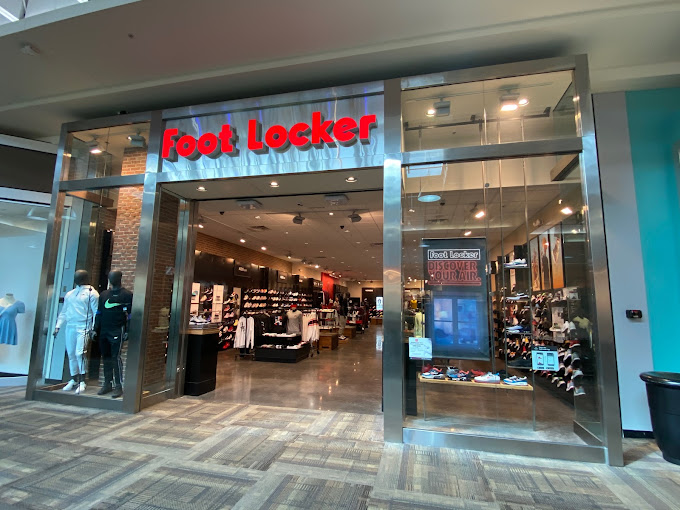
According to the company's filings with the SEC, as of January 2017, Foot Locker, Inc. had 3,363 primarily mall-based stores in the United States, Canada, Europe, and Asia. Nearly 70% of its products are from Nike.
In May 2025, Dick's Sporting Goods announced its intention to acquire Foot Locker for $2.4 billion. The sale was completed in September 2025.
In 1963, the F. W. Woolworth Company purchased the Kinney Shoe Corporation and operated it as a subsidiary. In the 1960s, Kinney branched into specialty shoe stores, including Stylco in 1967, Susie Casuals in 1968, and Foot Locker on September 12, 1974. The first Foot Locker opened in the Puente Hills Mall in City of Industry, California. Woolworth also diversified its portfolio of specialty stores in the 1980s, including Afterthoughts, Northern Reflections, Rx Place, and Champs Sports. By 1989, the company pursued an aggressive strategy of multiple specialty store formats targeted at enclosed shopping malls. The idea was that if a particular concept failed at a given mall, the company could quickly replace it with a different concept. The company aimed for ten stores in each of the country's major shopping malls, but this never came to pass as Woolworth never developed that many successful specialty store formats.
In April 1989, the F.W. Woolworth Company reincorporated as a separate company, known as the Woolworth Corporation in the state of New York. The Woolworth Corporation was responsible for the operations of the Foot Locker stores, among the other specialty chains operated by Woolworth's. One of its first moves was the acquisition of Champs Sports and renaming itself the Woolworth Athletic Group.
During the 1980s and 1990s, the F.W. Woolworth Company's flagship department store chain fell into decline, ultimately culminating in the closure of the last stores operating under the name of Woolworth's in the United States in 1997. Deciding to continue aggressive expansion into the athletic business in the following years, the company acquired Eastbay in 1997, which was the largest athletic catalog retailer in the United States, as well as subsequent purchases of regional storefront retailers Sporting Goods (purchased in 1997) and The Athletic Fitters (purchased in 1998). After 1997, Wal-Mart replaced Woolworth in the Dow Jones average. The Woolworth Corporation remained the parent company of Foot Locker, and in June 1998 it changed its name to "Venator Group, Inc." By the 1990s, Foot Locker was responsible for more than 70 percent of Kinney Shoe Corp. sales, while traditional shoe retailer Kinney was in decline. Venator announced shuttering of the remaining Kinney Shoe and Footquarters stores on September 16, 1998; this decision had been preceded by the closure of all Canadian Kinney Shoe stores that April. Matthew Serra became president and COO in 2000.
As the "Foot Locker" brand had become the Woolworth/Venator company's top performing line, on November 2, 2001, Venator changed its name to Foot Locker, Inc. At that time Serra became CEO of the company. In 2004 he was also named chairman. In the early 2000s the majority of Foot Locker stores were renovated and standardized. On November 19, 2004, Foot Locker announced that its quarterly profit rose 19 percent, helped by stronger sales.
Hub AI
Foot Locker AI simulator
(@Foot Locker_simulator)
Foot Locker
Foot Locker, Inc. is an American multinational retailer of footwear, sportswear, urban youth apparel and accessories owned by Dick's Sporting Goods and headquartered in Midtown Manhattan, New York City, and operating in over 40 countries.
Although established in 1974, and founded as a separate company in 1988, Foot Locker's roots date to 1879, as it is a successor corporation to the F. W. Woolworth Company (“Woolworth's”), which was incorporated in 1905 and changed its name to Foot Locker in 2001, as many of its freestanding stores were Kinney Shoes and Woolworth's locations. The company operates the eponymous “Foot Locker” chain of athletic footwear retail outlets (along with “Kids Foot Locker” and “Lady Foot Locker” stores), and other athletic-based divisions including Champs Sports, Footaction USA, House of Hoops, and Eastbay/Footlocker.com, which owns the rights to Final-Score. The company is also famous for its employees' uniforms at its flagship Foot Locker chain, resembling those of referees.
According to the company's filings with the SEC, as of January 2017, Foot Locker, Inc. had 3,363 primarily mall-based stores in the United States, Canada, Europe, and Asia. Nearly 70% of its products are from Nike.
In May 2025, Dick's Sporting Goods announced its intention to acquire Foot Locker for $2.4 billion. The sale was completed in September 2025.
In 1963, the F. W. Woolworth Company purchased the Kinney Shoe Corporation and operated it as a subsidiary. In the 1960s, Kinney branched into specialty shoe stores, including Stylco in 1967, Susie Casuals in 1968, and Foot Locker on September 12, 1974. The first Foot Locker opened in the Puente Hills Mall in City of Industry, California. Woolworth also diversified its portfolio of specialty stores in the 1980s, including Afterthoughts, Northern Reflections, Rx Place, and Champs Sports. By 1989, the company pursued an aggressive strategy of multiple specialty store formats targeted at enclosed shopping malls. The idea was that if a particular concept failed at a given mall, the company could quickly replace it with a different concept. The company aimed for ten stores in each of the country's major shopping malls, but this never came to pass as Woolworth never developed that many successful specialty store formats.
In April 1989, the F.W. Woolworth Company reincorporated as a separate company, known as the Woolworth Corporation in the state of New York. The Woolworth Corporation was responsible for the operations of the Foot Locker stores, among the other specialty chains operated by Woolworth's. One of its first moves was the acquisition of Champs Sports and renaming itself the Woolworth Athletic Group.
During the 1980s and 1990s, the F.W. Woolworth Company's flagship department store chain fell into decline, ultimately culminating in the closure of the last stores operating under the name of Woolworth's in the United States in 1997. Deciding to continue aggressive expansion into the athletic business in the following years, the company acquired Eastbay in 1997, which was the largest athletic catalog retailer in the United States, as well as subsequent purchases of regional storefront retailers Sporting Goods (purchased in 1997) and The Athletic Fitters (purchased in 1998). After 1997, Wal-Mart replaced Woolworth in the Dow Jones average. The Woolworth Corporation remained the parent company of Foot Locker, and in June 1998 it changed its name to "Venator Group, Inc." By the 1990s, Foot Locker was responsible for more than 70 percent of Kinney Shoe Corp. sales, while traditional shoe retailer Kinney was in decline. Venator announced shuttering of the remaining Kinney Shoe and Footquarters stores on September 16, 1998; this decision had been preceded by the closure of all Canadian Kinney Shoe stores that April. Matthew Serra became president and COO in 2000.
As the "Foot Locker" brand had become the Woolworth/Venator company's top performing line, on November 2, 2001, Venator changed its name to Foot Locker, Inc. At that time Serra became CEO of the company. In 2004 he was also named chairman. In the early 2000s the majority of Foot Locker stores were renovated and standardized. On November 19, 2004, Foot Locker announced that its quarterly profit rose 19 percent, helped by stronger sales.
Recent media