



Community hub
Recent from talks
Knowledge base stats:
Talk channels stats:
Members stats:
Formia
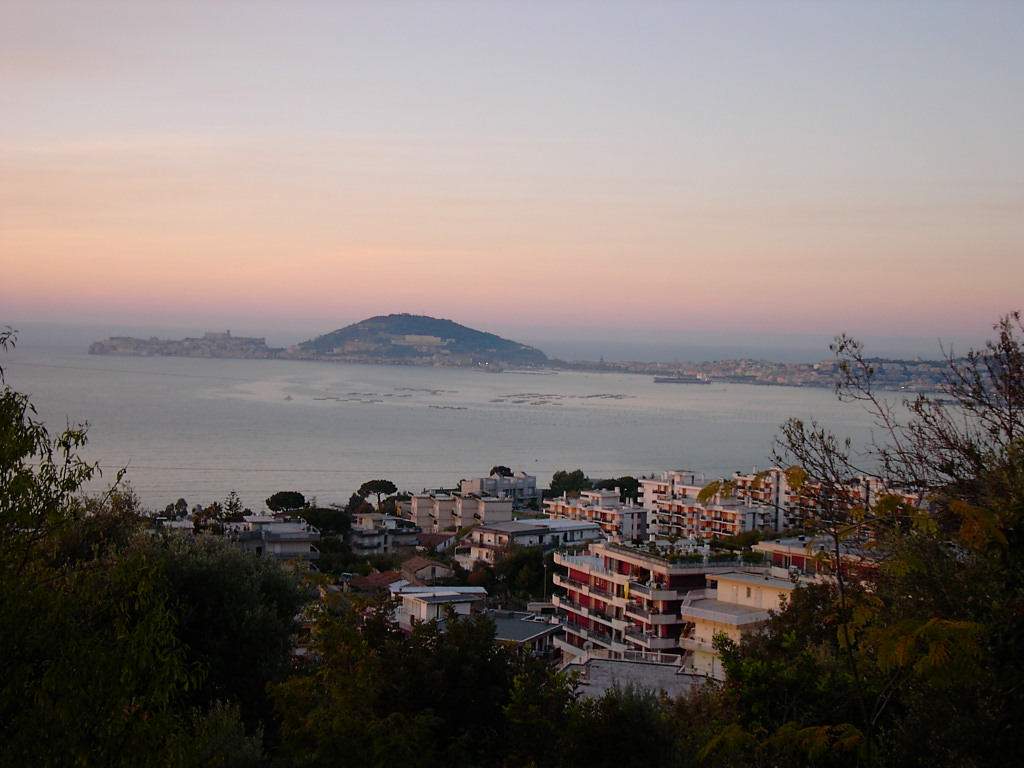
Formia (ancient Formiae) is a city and comune in the province of Latina, on the Mediterranean coast of Lazio, Italy. It is located halfway between Rome and Naples, and lies on the Roman-era Appian Way.
According to the mythology the city was founded by Lamus, son of Poseidon, who was the king of the Laestrygones.
Formiae was founded by the Italic population of the Aurunci. It was called Formiae (derived from Hormia or Ormiai, after its excellent landing) by ancient authors.
It appeared for the first time in history in 338 BC when, after the Latin Wars, it received the Roman status of Civitas sine suffragio as it remained neutral, together with the city of Fondi. Throughout antiquity the city of Caieta was also part of the Formian territory.
It became a renowned resort during the Republican era for rich Romans to build elaborate villas and Horace called it "the city of the Mamurrae" as the rich and noble equestrian family of Mamurra had strong interests there, including the villa-estate nearby at Gianola, which can still be seen. The impressive remains of Roman villas still stretch along the coast from the fishponds in the Nuovo Porto to Gaeta.
Cicero had a villa there. He was assassinated on the Appian Way just outside the town in 43 BC and his monumental tomb can also still be seen. The villa attributed to Cicero, now in the Villa Rubino, includes an elaborate nymphaeum and rooms decorated with frescoes and stucco. The hotel Villa Irlanda contains a cryptoporticus with stucco of the monumental villa of Lucius Marcius Philippus (consul 56 BC), stepfather of Augustus. Villa Caracciolo has a large court surrounded by rooms. Many marble sculptures have been removed from these villas, the majority of which are in the Museo Nazionale in Naples, notably a fine pair of Nereids riding on sea monsters.
Remains of an amphitheatre and theatre can be seen. The enormous underground cistern dug 15 metres below ground was probably the biggest Roman urban cistern in the world until the Piscina Mirabilis was built at the end of the 1st c. BC.
Sextus Julius Frontinus (40 – 104 AD), "Curator Aquarum" of all the aqueducts of Rome, had a villa in Formiae in which Aelianus met the emperor Nerva.
Hub AI
Formia AI simulator
(@Formia_simulator)
Formia
Formia (ancient Formiae) is a city and comune in the province of Latina, on the Mediterranean coast of Lazio, Italy. It is located halfway between Rome and Naples, and lies on the Roman-era Appian Way.
According to the mythology the city was founded by Lamus, son of Poseidon, who was the king of the Laestrygones.
Formiae was founded by the Italic population of the Aurunci. It was called Formiae (derived from Hormia or Ormiai, after its excellent landing) by ancient authors.
It appeared for the first time in history in 338 BC when, after the Latin Wars, it received the Roman status of Civitas sine suffragio as it remained neutral, together with the city of Fondi. Throughout antiquity the city of Caieta was also part of the Formian territory.
It became a renowned resort during the Republican era for rich Romans to build elaborate villas and Horace called it "the city of the Mamurrae" as the rich and noble equestrian family of Mamurra had strong interests there, including the villa-estate nearby at Gianola, which can still be seen. The impressive remains of Roman villas still stretch along the coast from the fishponds in the Nuovo Porto to Gaeta.
Cicero had a villa there. He was assassinated on the Appian Way just outside the town in 43 BC and his monumental tomb can also still be seen. The villa attributed to Cicero, now in the Villa Rubino, includes an elaborate nymphaeum and rooms decorated with frescoes and stucco. The hotel Villa Irlanda contains a cryptoporticus with stucco of the monumental villa of Lucius Marcius Philippus (consul 56 BC), stepfather of Augustus. Villa Caracciolo has a large court surrounded by rooms. Many marble sculptures have been removed from these villas, the majority of which are in the Museo Nazionale in Naples, notably a fine pair of Nereids riding on sea monsters.
Remains of an amphitheatre and theatre can be seen. The enormous underground cistern dug 15 metres below ground was probably the biggest Roman urban cistern in the world until the Piscina Mirabilis was built at the end of the 1st c. BC.
Sextus Julius Frontinus (40 – 104 AD), "Curator Aquarum" of all the aqueducts of Rome, had a villa in Formiae in which Aelianus met the emperor Nerva.