Hubbry Logo
Formica rufaFormica rufaMain
Open search
Formica rufa
Community hub
Formica rufa
logo
8 pages, 0 posts
0 subscribers
Be the first to start a discussion here.
Contribute something
Formica rufa
Formica rufa
from Wikipedia

Formica rufa
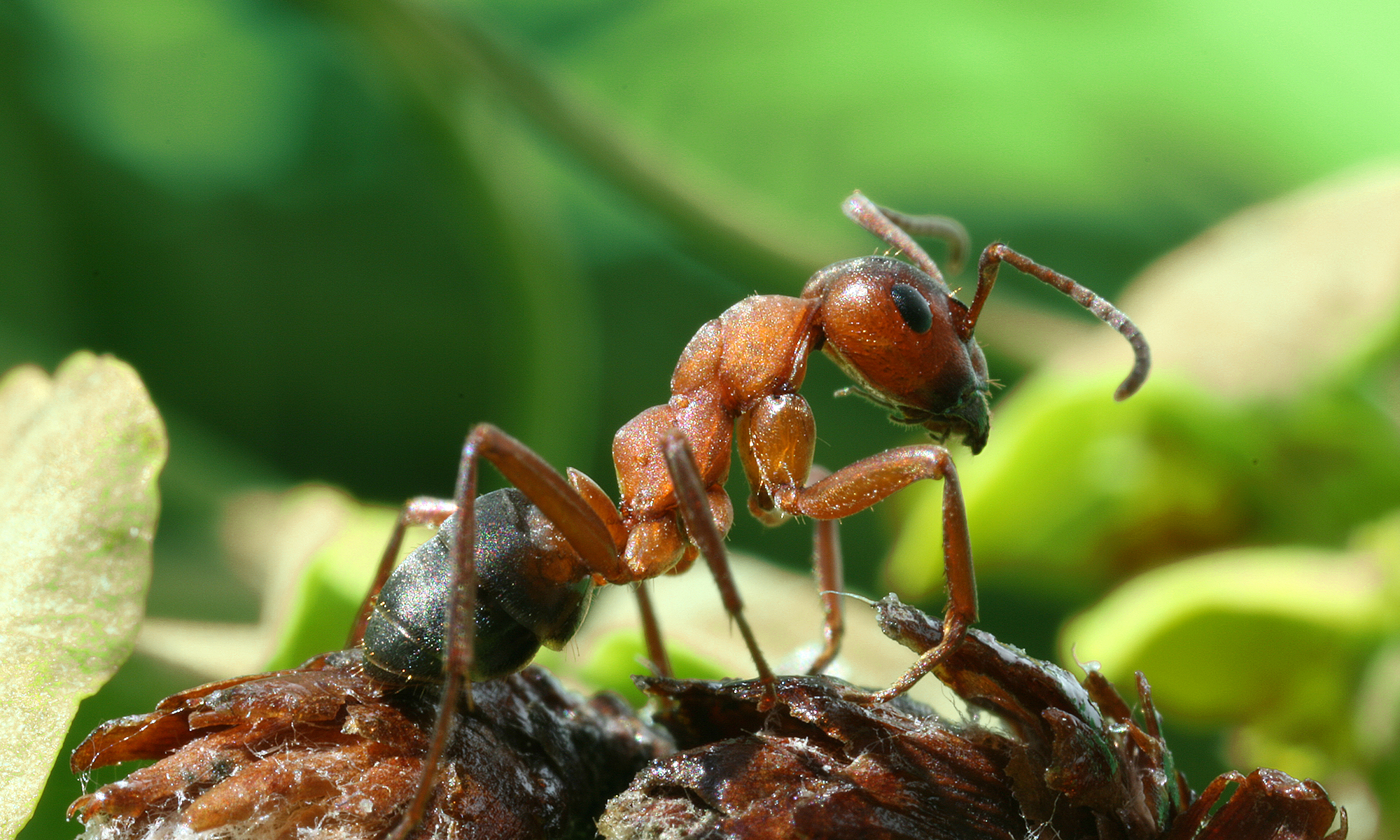
Formica rufa worker
Scientific classification Edit this classification
Kingdom: Animalia
Phylum: Arthropoda
Class: Insecta
Order: Hymenoptera
Family: Formicidae
Subfamily: Formicinae
Genus: Formica
Species:
F. rufa
Binomial name
Formica rufa

Formica rufa, also known as the red wood ant, southern wood ant, or horse ant, is a boreal member of the Formica rufa group of ants, and is the type species for that group, being described already by Linnaeus.[2] It is native to Eurasia, with a recorded distribution stretching from the middle of Scandinavia to the northern Iberia and Anatolia, and from Great Britain to Lake Baikal,[3][2] with unconfirmed reportings of it also to the Russian Far East.[3] There are claims that it can be found in North America,[4] but this is not confirmed in specialised literature,[3] and no recent publication where North American wood ants are listed mentions it as present,[5][3] while records from North America are all listed as dubious or unconfirmed in a record compilation.[6] The workers' heads and thoraces are colored red and the abdomen brownish-black, usually with dark patches on the head and promensonotum,[7] although some individuals may be more uniform reddish and even have some red on the part of the gaster facing the body. In order to separate them from closely related species, specimens needs to be inspected under magnification, where difference in hairiness is among the telling characteristics, with Formica rufa being hairier than for example Formica polyctena but less hairy than Formica lugubris.[2] Workers are polymorphic, measuring 4.5–9 mm in length.[7] They have large mandibles, and like many other ant species, they are able to spray formic acid from their abdomens as a defence.[3] Formic acid was first extracted in 1671 by the English naturalist John Ray by distilling a large number of crushed ants of this species.[8] Adult wood ants primarily feed on honeydew from aphids. Some F. rufa colonies are large networks of connected nests with multiple queens, while others have a single queen.

Description

[edit]
A caterpillar being bitten by F. rufa
Patrolling F. rufa

Nests of these ants are large, conspicuous, dome-shaped mounds of grass, twigs, or conifer needles, often built against a rotting stump, usually situated in woodland clearings where the sun's rays can reach them. Large colonies may have 100,000 to 400,000 workers and 100 queens.[4] F. rufa is highly polygynous and often readopts postnuptial queens from its own mother colony, leading to old, multigallery nests that may contain well over 100 egg-producing females. These colonies often may measure several metres in height and diameter. F. rufa is aggressively territorial, and often attacks and removes other ant species from the area. Nuptial flights take place during the springtime and are often marked by savage battles between neighbouring colonies as territorial boundaries are re-established.[9] New nests are established by budding from existing nests in the spring,[4] or by the mechanism of temporary social parasitism, the hosts being species of the F. fusca group, notably F. fusca and F. lemani, although incipient F. rufa colonies have also been recorded from nests of F. glebaria and F. cunicularia. An F. rufa queen ousts the nest's existing queen and lays eggs of her own, and the existing workers care for her offspring until those offspring take over the nest.

Detail of the head. Picture from antweb.org casent0173863

Diet

[edit]
F. rufa nest
F. rufa nest in meadow near Rila, Bulgaria

These ants' primary diet is aphid honeydew, but they also prey on invertebrates such as insects and arachnids; they are voracious scavengers. Foraging trails may extend 100 m.[4] Larger workers have been observed to forage farther away from the nest.[10] F. rufa commonly is used in forestry and often is introduced into an area as a form of pest management.

Behavior

[edit]

Nursing

[edit]

Worker ants in F. rufa have been observed to practice parental care or perform cocoon nursing. A worker ant goes through a sensitive phase, where it becomes accustomed to a chemical stimulus emitted by the cocoon. The sensitive phase occurs at an early and specific period. An experiment was conducted by Moli et al. to test how worker ants react to different types of cocoon: homospecific and heterospecific cocoons. If the worker ant is brought up in the absence of cocoons, it will show neither recognition nor nursing behaviour. Both types of cocoons are opened up by the workers and devoured for nutrients. When accustomed to only the homospecific cocoons, the workers collect both types of cocoons, but only place and protect the homospecific cocoons. The heterospecific cocoons are neglected and abandoned in the nest and eaten. Lastly, if heterospecific cocoons were injected with extract from the homospecific cocoons, the workers tend to both types of cocoons equally. This demonstrates that a chemical stimulus from the cocoons seems to be of paramount importance in prompting adoption behaviour in worker ants. However, the specific chemical / stimulus has not been identified.[11]

Foraging behaviour

[edit]

The foraging behaviour of wood ants varies depending on the environment. They have been shown to tend and harvest aphids as well as prey on and compete with other predators for food resources. They tend to prey on the most abundant members of the community, whether in tree canopies or forest foliage. Wood ants seem to favour prey living in local canopies near their nest. However, when food resources dwindle, they seek other trees further from the nest and explore more trees instead of exploring the forest floor more thoroughly.[12] This makes foraging for food significantly less efficient, but the rest of the nest does not help the foraging ants.[13]

Kin behaviour

[edit]

Wood ants have shown aggressive behaviour toward their own species in certain situations.[13][14] Intraspecific competition usually occurs early in the spring between workers of competing nests. This aggression may be linked to the protection of maintaining territory and trail. By observing skirmishes and trail formation of wood ants, the territory surrounding each nest differs between seasons. Permanent foraging trails are reinforced each season, and if an ant from an alien species crossed it, hostile activity occurs. Most likely, the territory changes based on foraging patterns are influenced by seasonal changes.[13]

Ants recognise their nestmates through chemical signals. Failure to recognise each other causes the integrity of the colony to decay. Accumulation of heavy metals in the environment also alters aggression levels.[15] This could be due to a variety of factors such as changes in physiological effect or changes in resource levels. The ants in these territories tend to be less productive and efficient. Increased resource competition would be expected to increase level of aggression, but this is not the case.

Raiding

[edit]

Wood ants, particularly those in the Formica species, perform organised and planned attacks on other ant colonies or insects. These planned attacks are motivated by territory expansion, resource acquisition, and brood capture.[16][17] Raids are performed at certain times of the year, when resources may need restocking, and during the day when ants are most active.[17][18] Organised and cooperative strategies for raiding are more specific tactics used by the F. polyctena species. However, raiding is still an integral behaviour of the F. rufa group. Scouts will investigate neighbouring nests to raid, marking their targets using pheromones.[19] Wood ants are also capable of counterattack/defending retaliation. Strong defensive measures include guarding entrances to tunnels and having routine patrols of the areas to watch neighbouring nests.[20] Some wood ant species, such as F. sanguinea, will raid brood, which is then integrated into their colony as workers. This behaviour enables the colony to bolster its workforce without expending energy on raising its brood. The captured brood matures and functions within the raiding colony, helping with foraging and nest maintenance tasks.[17]

Raiding has significant evolutionary and ecological implications. This behaviour can establish dominance hierarchies among colonies and influence the structure of ant communities. Raiding also contributes to the success of dominant species by providing access to resources that might otherwise be difficult to obtain.[17] This behaviour also reflects the ants’ ability to adapt their foraging strategies to varying environmental conditions. Wood ants can also alter the distribution of resources in the ecosystem by dominating key food sources.

Resin use

[edit]

Wood ants intently collect resins from coniferous trees and incorporate them into their nests for various uses. Resin provides wood ants with structural soundness and predator defense to their nests and antimicrobial, antifungal, and pathogen defense when in conjunction with formic acid from their venom gland.[21][22][23]

By leveraging the antimicrobial properties of the resin, wood ants are adequately ensuring and sustaining the health of their colonies.[23] Wood ant nests are vulnerable to rapidly spreading microbial loads due to the dense population and organic debris accumulation within large, complex structures. Terpenes and phenolic acids found in coniferous tree resins provide antimicrobial defense and inhibit the growth of pathogens within the nests when mixed with the ants' formic acid.[18][24][25] Nests that have been fortified by resin have significantly less microbial diversity when compared to nests without resin.[23][24][26] By managing their environment, wood ants are proficiently protecting the health of their colonies, with the direct advantages of protecting the queen and developing brood with decreased pathogen exposure.[21][22][23]

Besides antifungal and microbial defense, resin provides value structural integrity to the nest and a protective barrier from potential intruders and predators. Wood ant nests are vulnerable to numerous external threats as they are often large, complex, and above ground. By binding the resin to other organic materials, the nest is provided with cohesive building material, making the nest less prone to collapse.[18] Incorporating resin also provides nests with waterproofing and weather resistance, another way to prevent fungal growth.[18][26] The stickiness and sometimes toxicity of the resin aid in providing a protective barrier against small arthropods and mites that may attack the nest. Chemically, the resin provides camouflage and deters intruders that may use chemical cues to locate nests.[16][18][21][27]

Colony structure

[edit]

Polygyny

[edit]

Polygyny in wood ants (Formica genus) is a colony's social structure that contains multiple reproducing queens. Polygyny may have evolved to enhance colony survival in unstable environments as it allows wood ants to disperse across larger areas by establishing interconnected nests with several queens. This differs from the more commonly observed monogynous social structure of only one reproducing queen within a colony. This behaviour can lead to significant ecological, evolutionary, and colony-level consequences.[28]

Polygyny may have evolved to enhance colony survival in unstable environments as it allows wood ants to disperse across larger areas by establishing interconnected nests with several queens.[29] This differs from a monogamous colony, as a single queen’s reproductive output limits the colony's growth. In a monogamous colony, a new queen will typically leave its nest by flight to find and establish a new nest away from the old one.[30] In a polygynous colony, the new queen will establish its nest nearby, with worker ants helping to connect and create cooperative, large colonies. Polygyny allows for higher genetic diversity within the colony, making the colony less susceptible to pathogens and infections. These polygynous colonies have a more complex social hierarchy and can be more successful in certain ecological contexts because of the combined reproductive efforts of several queens.[31]

Wood ant colonies exhibit reduced levels of relatedness between workers through polygyny, which can have negative and positive implications.[31] One negative implication is that cooperation between ants within a colony can be reduced. However, the sheer scale of resources available to polygynous colonies mitigates this reduced level of cooperation. Another positive implication is that colonies grow faster due to multiple queens producing broods.[18] With higher numbers, there are more ants to collect resources and carry out raids. However, this also has drawbacks. Larger colonies exert significant structural pressure on the above-ground nests of wood ants.[32]

Nest splitting

[edit]

Wood ants typically have multiple nests, enabling them to relocate in the event of drastic environmental changes. This splitting of nests leads to the formation of additional daughter nests. There are several reasons why wood ants move. These include changes in the availability of food resources, attack by other colonies, or changes to the nest itself. During this time, workers, queens, and the brood are transferred from the original nest to the daughter nest in both directions. The goal is to reach the daughter nest, but ants carrying individuals may return to the original nest. The splitting process may last from a week to over a month.[33]

Population

[edit]

The turnover rate of wood ant nests is very quick. Over a three-year period, Klimetzek counted 248 nests within a 1,640 hectare area under study. Furthermore, no correlation was found between nest age and mortality. Smaller nests had a lower life expectancy than larger nests. Nest size increased with age.[34]

Bee paralysis virus

[edit]

In 2008, the chronic bee paralysis virus was reported for the first time in this and another species of ants, Camponotus vagus. CBPV affects bees, ants, and mites.[35]

Use for making yoghurt

[edit]

Red wood ants have been used in Bulgaria and Turkey to make yoghurt; a few ants are added to warm milk and left to ferment. Modern studies suggest that the ants' formic acid acidulates the milk, enabling microbes from the ants' microbes to thrive, and ant or bacterial enzymes break down milk proteins to produce a yoghurt.[36][37]

References

[edit]
[edit]
Revisions and contributorsEdit on WikipediaRead on Wikipedia
from Grokipedia
Formica rufa Linnaeus, 1761, commonly known as the red wood ant or southern wood ant, is a mound-building species of wood ant in the subfamily Formicinae of the family Formicidae. Workers exhibit polymorphism and measure 4.5–9.0 mm in length, featuring a bicolored body with red head and alitrunk contrasted against a brownish-black gaster, often with variable dark patches on the head and promesonotum; they possess long erect hairs on the gula, clypeus, dorsum of the alitrunk, scale, and gaster, but lack hairs on the scape or posterior border of the occiput. Queens are larger at 9.5–11.0 mm, similarly bicolored with a dark scutum, gaster, and occipital area, while males are black, 9.0–11.0 mm long, with paler appendages and sparse suberect hairs on the gaster tergites. Coloration in workers is melanin-based and polymorphic, with discrete morphs on the head (9 types) and pronotum (8 types), where smaller individuals tend to have larger melanized areas, and dark heads often pair with lighter thoraces modularly. As part of the ecologically dominant Formica rufa species group, F. rufa is a monodomous ant with single or few queens per colony, distinguishing it from more northern, polydomous relatives like F. polyctena and F. aquilonia. It is native to the Palearctic region, with a southern distribution in Europe extending from the Mediterranean to southern Finland (up to approximately 63°N), absent from northern latitudes beyond this, and records also in parts of Asia Minor like Turkey and Bulgaria. The species thrives in temperate coniferous and mixed forests, preferring over-mature stands with medium to full canopy cover (45–80%), low slopes, high elevations (e.g., 1700–1900 m), shady aspects, average temperatures below 12°C, and low precipitation; it tolerates forest edges and human proximity more than other group members, with nests often in yards or clearings. Ecologically, F. rufa functions as a keystone species and ecosystem engineer in forest habitats, constructing large mound nests from conifer needles, twigs, and soil that can reach significant volumes and influence soil structure, nutrient cycling, and seed dispersal. It exhibits predatory behavior, preying on insects like defoliators (e.g., pine processionary moths and spruce budworms) and maintaining mutualistic relationships with aphids for honeydew, thereby controlling pests and supporting forest health. Colonies are facultatively polydomous in some contexts, with nest budding and merging observed, and nest survival is higher in northeast-facing aspects with moderate canopy closure; the species faces threats from habitat loss due to clear-cutting and climate change, is listed as Near Threatened by the IUCN, and has protected status in many European countries.

Taxonomy and Distribution

Taxonomy

Formica rufa is classified within the order Hymenoptera, family Formicidae, subfamily Formicinae, and genus Formica. This placement situates it among the ants, a diverse group of social hymenopterans characterized by eusocial behaviors. The species is the type species of the genus Formica, highlighting its central role in ant taxonomy. The species was first described by Carl Linnaeus in 1761 in his work Fauna Suecica, based on specimens from Sweden, with the lectotype designated as a queen in 1954. Formica rufa belongs to the Formica rufa species group (subgenus Coptoformica), which comprises 13 Palaearctic mound-building red wood ants assigned to four complexes based on morphological and genetic data. As of 2025, the group comprises 13 valid Palaearctic species assigned to four complexes, per recent revisions. Within this group, F. rufa forms the nominate species of the F. rufa complex, alongside Formica polyctena. No valid subspecies are currently recognized for F. rufa, though it has numerous junior synonyms such as Formica piniphila and Formica meridionalis, reflecting historical taxonomic variability. Phylogenetically, F. rufa is closely related to other wood ants in the F. rufa group, particularly F. polyctena, with molecular studies using mitochondrial DNA (e.g., cytochrome b and COI genes) indicating recent speciation and frequent hybridization across their range. These analyses support a monophyletic clade for the group, diverging from other Formica species around 15 million years ago. F. rufa is distinguished from related species like Formica pratensis (in the separate F. pratensis complex) primarily through queen morphology, such as differences in gaster shine and setae density, as detailed in revisions emphasizing Numeric Morphology-Based Alpha-Taxonomy (NUMOBAT). Historical taxonomic revisions, such as those by Yarrow (1955) and Seifert (2021), have clarified separations within the group by integrating worker and queen traits, addressing challenges from hybridization and cryptic variation that previously led to misidentifications. These efforts underscore the group's evolutionary complexity, with ongoing molecular work revealing introgression but maintaining species boundaries through discriminant functions.

Geographic Distribution

Formica rufa is native to Eurasia, with its primary range spanning central and southern Europe from southern Scandinavia and southern Finland (up to approximately 63°N) southward to the Mediterranean regions such as northern Iberia, Italy, and the Balkans, and extending eastward into western Asia up to the Ural Mountains in Russia. This distribution aligns with temperate and boreal forest ecosystems, where the species thrives in coniferous and mixed woodlands. In southern Europe, populations are increasingly confined to montane areas, reflecting adaptations to cooler, moister conditions at higher elevations. In the United Kingdom, conservation efforts have involved reintroductions to bolster declining local populations, particularly in southern and central England where habitat fragmentation has reduced suitable sites. The altitudinal distribution of F. rufa extends from sea level in lowland forests to approximately 2,000 meters in mountainous terrains, such as the Alps and Rhodope Mountains, where nests are often found between 500 and 1,650 meters. Environmental factors significantly influence this range; the species exhibits strong cold tolerance, enabling persistence in boreal environments with harsh winters, but shows sensitivity to extreme aridity, limiting expansion into dry steppes or Mediterranean lowlands without sufficient moisture. Historical range contractions have been observed, particularly in southern Europe, where habitat loss from deforestation, urbanization, and intensive forestry has led to population declines and local extinctions, such as reduced densities in the Apennines and Bulgarian mountains. These changes have fragmented suitable forest habitats, exacerbating vulnerability in warmer, drier southern margins of the range.

Physical Characteristics

Morphology

Formica rufa worker ants display polymorphism across the colony's three castes, with workers varying in size to perform specialized tasks such as foraging and nest maintenance. The head is equipped with robust mandibles adapted for slicing vegetation and subduing prey, while the 12-segmented, geniculate antennae facilitate chemical sensing and communication. The thorax, or mesosoma, comprises three fused segments that support powerful locomotion and load-carrying capabilities. The gaster contains a specialized venom gland and associated spraying apparatus, enabling workers to eject formic acid up to several centimeters for defense against predators. Workers possess long erect hairs on the gula, clypeus, dorsum of the alitrunk, scale, and gaster, but lack hairs on the scape or posterior border of the occiput. Queens of F. rufa are morphologically distinct, featuring a larger body size, wings in their alate form prior to the nuptial flight, and three ocelli for enhanced vision during dispersal. Following mating, queens shed their wings, transitioning to a dealate state focused on egg-laying within the nest. Queens are bicolored with a dark scutum, gaster, and occipital area. Males are smaller than queens, possess wings for the nuptial flight, and have simpler mandibles suited minimally for feeding rather than labor; their sole function is reproduction, after which they typically die. Males are black with paler appendages and sparse suberect hairs on the gaster tergites. Key adaptations in F. rufa include fine pubescence covering the body, which assists in thermoregulation by trapping air layers to buffer temperature fluctuations in forest environments. Powerful spines on the legs enhance grip and climbing efficiency on bark and foliage, supporting arboreal foraging. The venom gland's structure, integrated with the acidopore, allows precise and forceful spraying of formic acid, providing a potent chemical defense against intruders. Sexual dimorphism is pronounced, particularly in reproductive structures: queens possess enlarged ovaries capable of producing thousands of eggs and a large spermatheca for long-term sperm storage to fertilize them over years.

Size and Variation

Formica rufa exhibits notable size polymorphism within its worker caste, with minor workers typically measuring 4-6 mm in body length and major workers reaching up to 9 mm. Queens of Formica rufa are larger than workers, with body lengths ranging from 9 to 11 mm. Males measure 9.0–11.0 mm in length and possess a slimmer build adapted for nuptial flights. The coloration of Formica rufa is characteristically bicolored, featuring a rusty red head and thorax contrasted against a black gaster. Coloration in workers is melanin-based and polymorphic, with discrete morphs on the head (9 types) and pronotum (8 types), where smaller individuals tend to have larger melanized areas, and dark heads often pair with lighter thoraces modularly.

Habitat and Nesting

Preferred Environments

Formica rufa colonies primarily inhabit coniferous and mixed forests in boreal and temperate regions, where medium to full canopy cover (45–80%) from trees such as Norway spruce (Picea abies) and Scots pine (Pinus sylvestris) provides essential shade and maintains high humidity levels critical for thermoregulation and foraging efficiency. These environments support the species' role as ecosystem engineers, with colonies favoring over-mature stands that offer structural complexity and resource availability, often on low slopes and shady aspects such as northeast-facing, with average temperatures below 12°C and low precipitation. In some regions, such as southern Turkey, colonies occur at high elevations (e.g., 1700–1900 m). Soil conditions are a key determinant of habitat suitability, with F. rufa preferring well-drained, acidic soils typical of forest floors in these zones, which facilitate nest construction and prevent waterlogging that could disrupt colony activity. Colonies actively avoid waterlogged areas and rocky substrates, as these inhibit mound stability and limit subterranean expansion. Microclimatic factors further refine habitat selection, with nests often positioned in sunny clearings or south-facing slopes within forested areas to capture solar radiation for warmth, particularly during cooler periods, though the species tolerates forest edges and human proximity more than other group members, with nests often in yards or clearings. Optimal ambient temperatures for foraging and nest maintenance range from 15°C to 25°C, aligning with peak worker activity observed in field studies. Symbiotic relationships influence site preferences, as colonies establish near coniferous trees like Scots pine to access resin for antimicrobial nest protection and to tend aphid colonies (Cinara spp.) on foliage for honeydew, enhancing nutritional resources. Ongoing climate change exacerbates pressures on these habitats, driving potential northward range shifts in response to warming while contributing to habitat loss in southern European populations through altered forest dynamics and increased drought frequency.

Nest Structure and Construction

The nests of Formica rufa, commonly known as red wood ants, are characterized by large, dome-shaped mounds constructed above ground, often reaching heights of up to 2 meters and diameters exceeding 3 meters in mature colonies. These structures are typically built atop or adjacent to decaying wood, such as old tree stumps, in sunny forest clearings to maximize solar exposure. The external mound serves as an insulating cover over an extensive subterranean network, which can extend 2 meters deep and wide, providing protection from environmental extremes. The construction process begins with workers excavating a basal soil chamber, followed by the systematic layering of organic materials to form the mound. Primary building materials include conifer needles, small twigs, bud scales, moss, pebbles, and soil particles, often bound together with tree resin for added cohesion and antimicrobial properties. Resin not only enhances structural stability but also helps prevent pathogen invasion within the nest. Workers continuously transport and arrange these materials, with construction and expansion peaking in spring as temperatures rise, allowing for brood development. This layered approach creates a porous outer shell that facilitates air circulation while the denser core provides insulation. Internally, the nest features a multi-chambered architecture with dedicated brood chambers, storage areas, and an interconnected network of tunnels for worker movement and ventilation. The central region forms a heat core, where temperatures are thermoregulated to 25–30°C during the active season (March to October), primarily through metabolic heat generated by the muscular activity of clustered workers and supplementary microbial decomposition of organic matter. Ventilation tunnels and behavioral adjustments, such as brood relocation by workers, further maintain optimal humidity and oxygen levels. These nests exhibit considerable durability, with individual mounds persisting for 20–30 years under favorable conditions, though entire colony systems can endure up to 80 years through budding and relocation. Annual maintenance by workers, including reinforcement with fresh materials, contributes to this longevity, allowing colonies to withstand forest disturbances.

Colony Organization

Social Structure

Formica rufa colonies exhibit a classic eusocial caste system consisting of queens, workers, and males. Queens are the primary reproductive females, responsible for egg-laying and colony initiation, while workers are sterile females that handle all non-reproductive tasks such as foraging, brood care, nest maintenance, and defense. Males, produced seasonally, serve solely as drones for mating with queens from other colonies and die shortly thereafter. Colonies of Formica rufa are typically monogynous or oligogynous, with one or a few queens per nest, and monodomous. This structure enhances colony resilience and growth, with queens capable of living 15-20 years, far outlasting workers. Division of labor in Formica rufa follows age-based polyethism, where young workers primarily nurse brood inside the nest, transitioning to foraging and external tasks as they age. Body size also influences specialization, with smaller workers focusing on nursing, medium-sized ones on foraging, and larger major workers dedicated to defense against intruders. Communication within colonies relies on chemical signals, particularly pheromone trails laid by foragers to recruit nestmates to food sources or new sites, enabling efficient collective mobilization. Tandem running, where a leading worker guides a follower using physical contact and pheromones, facilitates nestmate transport during colony relocation or budding. New colonies are typically founded through temporary social parasitism, in which young queens infiltrate nests of related Formica species, such as Formica fusca, to exploit the host workers for brood rearing until the parasite offspring dominate the colony. This dependent strategy compensates for the queen's inability to independently rear her first workers.

Reproduction and Life Cycle

The reproduction of Formica rufa, a member of the red wood ant group, is closely synchronized with seasonal environmental cues, primarily occurring during the warmer months. Nuptial flights, which involve the synchronized emergence and mating of alate males and queens, typically take place in late spring to early summer, from late May to early July depending on latitude and local climate. During these flights, thousands of sexual individuals depart from mature colonies and mate mid-air, with queens subsequently storing sperm in their spermatheca for lifelong use to fertilize eggs. This mating strategy ensures genetic diversity across colonies while minimizing predation risks through mass emergence. Following mating, inseminated queens either integrate into existing nests via temporary social parasitism or contribute to colony expansion, while egg-laying begins in early spring as colonies emerge from hibernation. Queens lay approximately 30 eggs per day during the reproductive season, potentially producing thousands of eggs per year, starting with "winter eggs" in March or April that develop into new sexuals over about six weeks, followed by "summer eggs" that yield workers. In queenless colonies, workers can lay unfertilized eggs that develop into males, a reproductive tactic observed in multiple Formica species including F. rufa, though suppressed in the presence of a functional queen. The life cycle of F. rufa follows the standard hymenopteran holometabolous pattern, encompassing egg, larval, pupal, and adult stages, with total development from egg to adult spanning approximately 6 weeks (42 days) under optimal summer conditions. Eggs hatch in about 2 weeks, giving rise to larvae that last about 2 weeks and are fed via trophallaxis—mouth-to-mouth exchange of regurgitated food—by nurse workers to support rapid growth. Pupae form within silk cocoons and eclose as adults after about 2 weeks, with new workers immediately integrating into colony tasks and sexuals preparing for future flights. Colony propagation in F. rufa occurs mainly through temporary social parasitism by young queens, or by budding from existing nests, with occasional contributions from adopted queens to existing nests; independent colony founding by a single queen is rare, as F. rufa queens generally lack the capacity for claustral founding and instead rely on host nests for establishment. This often polydomous organization supports colony persistence in suitable habitats. Generational turnover in F. rufa colonies is annual for sexuals but shorter for workers, which typically live about 2 months, contributing to foraging and maintenance before replacement by emerging cohorts. Colony persistence is maintained through queen longevity in monogynous, oligogynous, or highly polygynous nests, ensuring continuous reproduction.

Foraging and Diet

Food Sources

_Formica rufa exhibits a predominantly carnivorous diet, with insects comprising 33–45% of its food intake, including aphids, caterpillars, sawfly larvae, beetles, and Diptera, which are either hunted or scavenged. Honeydew, secreted by aphids and other hemipterans, serves as the primary carbohydrate source, accounting for 42–70% of the diet and providing essential sugars for energy. In some boreal forest studies, honeydew dominates even more substantially, making up 78–92% of dry mass intake. Plant-derived materials supplement the diet during periods of scarcity, including seeds (approximately 4%), nectar and exuding plant juices (6%), and fungal spores (3%). As a first-order predator and secondary consumer, F. rufa occupies a trophic apex position within forest understory arthropod communities, exerting significant top-down control on herbivore populations while engaging in mutualistic trophobiosis with aphids. Dietary composition shifts seasonally to meet colony needs: in late spring and early summer, protein-rich insect prey predominates to nourish developing larvae, whereas late summer emphasizes honeydew collection for carbohydrate reserves. By autumn, reliance increases on diverse liquid sources, such as honeydew from herbaceous plants, reflecting adaptations to changing resource availability. Nutritionally, F. rufa derives essential amino acids and proteins from invertebrate prey, balancing these with sugars from honeydew to sustain metabolic demands across castes. Trophallaxis facilitates the equitable distribution of these nutrients within the colony, ensuring larvae receive high-protein loads during growth phases.

Foraging Behaviors

Formica rufa workers employ sophisticated trail-based navigation to locate and exploit food resources, primarily relying on chemical pheromones deposited along established paths. The primary trail pheromone is mellein, a dihydroisocoumarin compound, which guides followers to food sources and persists for several hours, facilitating repeated use of efficient routes. This pheromone system supports mass recruitment, where successful foragers return to the nest, laying trails that attract dozens to hundreds of additional workers, optimizing colony-level resource acquisition. In complex environments, ants adjust trail preferences to minimize energy expenditure, favoring shorter or vertically oriented paths over longer horizontal detours to reduce navigational errors and metabolic costs. Foraging expeditions typically extend up to 100 meters or more from the nest, with trails often radiating toward resource-rich areas such as trees hosting aphids for honeydew collection. Arboreal trails are common, ascending tree trunks to access canopy resources, where workers maintain fidelity to specific routes using a combination of pheromone cues and visual landmarks. Larger workers, exhibiting size polymorphism, tend to forage at greater distances and handle bulkier loads, contributing to division of labor within the foraging workforce. For larger prey items, such as insects, groups of workers cooperate in hunts, surrounding and subduing targets through coordinated sprays of formic acid, which immobilizes victims and aids in dismemberment for transport. Daily foraging activity follows a diurnal rhythm, with peak intensity occurring 3-4 hours after sunrise on warm days, gradually declining toward midday as temperatures rise, and further reduced during rain to conserve energy. A portion of the colony's workers engage in foraging at peak times, reflecting an adaptive balance between resource needs and environmental constraints. This pattern aligns with broader energy expenditure models, where trail efficiency minimizes overall colony costs. Workers demonstrate robust learning capabilities, memorizing visual snapshots of landmarks along routes during initial explorations and learning walks near food sources. These memories enable route fidelity and rapid adjustments around obstacles, such as fallen branches, by integrating private visual information with social pheromone trails. Interference from competing ant species can disrupt these routes, prompting shifts to alternative paths.

Social and Defensive Behaviors

Kin Selection and Cooperation

In Formica rufa, Hamilton's theory of kin selection explains the evolution of worker altruism, where sterile female workers forgo personal reproduction to aid relatives, thereby increasing their inclusive fitness. Due to haplodiploid sex determination, full sisters in monogynous colonies share a high genetic relatedness of r = 0.75, exceeding the relatedness to their own sons (r = 0.5), which favors worker sterility and cooperative aid to the queen's brood over selfish reproduction. This high relatedness promotes behaviors such as foraging and brood care that benefit the colony's reproductive output. Cooperative nest maintenance in F. rufa exemplifies kin selection-driven altruism, with workers collaboratively regulating nest temperature via metabolic heat production and solar basking clusters on mound surfaces to maintain an optimal brood chamber at around 29°C. Workers relocate brood along thermal gradients and incorporate insulating materials like needles and resin for hygiene and stability, often sacrificing personal energy reserves or risking exposure to predators to ensure brood survival during cold periods. For instance, nurse workers vibrate their bodies to generate heat, prioritizing larval development even at the expense of their own foraging time. Inclusive fitness models for Formica ants demonstrate that workers gain approximately 10–20% higher fitness returns from helping relatives rear offspring compared to attempting personal reproduction, as supported by genetic studies revealing kin-biased task allocation in both monogynous and polygynous contexts. These gains arise because indirect benefits through elevated colony reproduction exceed the direct costs of sterility, particularly when relatedness asymmetries favor female-biased investment. Reproductive conflicts in F. rufa are mitigated by worker policing, where non-reproductive workers preferentially consume worker-laid eggs via oophagy while sparing queen-laid eggs, enforcing queen control over male production and stabilizing colony efficiency. This behavior aligns with kin selection by favoring higher-relatedness queen's sons (r = 0.25 to workers) over lower-relatedness worker's sons (r = 0.25 on average, but contextually less in polygyny), reducing selfish reproduction and promoting harmony.

Raiding and Defense

Formica rufa colonies exhibit highly aggressive territorial behavior, engaging in intercolony raids to secure and expand foraging areas, particularly during spring when resources are contested. These raids involve coordinated groups of workers advancing along established trails to confront rival colonies, resulting in skirmishes characterized by physical grappling, biting, and chemical assaults. The outcome of such conflicts often depends on group size and individual mass, with larger groups demonstrating greater overall aggression but smaller groups showing heightened per capita intensity to compensate for numerical disadvantage. This territorial expansion helps maintain dominance over extensive areas, sometimes spanning hundreds of meters around nest sites. In defense, F. rufa workers, especially majors, form organized lines or clusters to repel intruders, employing a combination of physical and chemical tactics. They bite and grasp opponents while projecting formic acid from their abdomens in a fine spray, which serves as both a potent irritant and an alarm signal to recruit additional defenders. This acid, produced in the poison gland, synergizes with hydrocarbons to elicit rapid colony-wide responses, mobilizing thousands of workers to reinforce threatened borders. Such mechanisms ensure effective protection of nests and resources against predators and competing ant species. Raids and defenses carry significant costs, with worker mortality varying based on encounter intensity; smaller raiding parties experience higher individual loss rates despite fiercer fighting, while successful defenses minimize attrition through collective action. These behaviors contribute to the evolutionary success of F. rufa colonies, where territorial control amplifies defensive capabilities. Kin selection plays a role in motivating group defense, as workers protect related colony members during conflicts.

Resin Use and Other Adaptations

Workers of Formica rufa collect solidified resin from coniferous trees, primarily spruce (Picea abies), and incorporate it into their nest mounds as a protective measure against microbial threats. This resin, rich in terpenes, is applied to the nest exterior and interior, forming an antimicrobial barrier that inhibits the growth of bacteria and fungi. To enhance its efficacy, the ants spray the resin with formic acid produced in their venom glands, which activates the resin's antifungal properties, significantly increasing its inhibitory effects against pathogens such as Metarhizium brunneum. In addition to nest-level protection, F. rufa exhibits self-medication behaviors by using resin to combat individual infections and parasitic threats. When exposed to pathogens like the bacterium Pseudomonas fluorescens or the fungus Metarhizium anisopliae, workers and larvae in resin-treated environments show improved survival rates, with larval survival against fungal infection increasing markedly (p < 0.001). Although direct ingestion is not always observed, ants actively handle and incorporate resin particles into their grooming routines, reducing the impact of parasites such as mites through the resin's sticky and toxic properties that deter small arthropods. Experiments demonstrate that this behavior can reduce fungal infection rates by up to 60% in controlled settings, highlighting its role in maintaining colony health. Resin also serves as a versatile tool in nest construction and defense for F. rufa. Workers form small pellets or pieces of resin, which are used to reinforce nest walls and chambers, providing structural integrity alongside their antimicrobial benefits. In defensive contexts, these resin elements can be deployed to create barriers or applied during confrontations, though primarily they contribute to overall nest hygiene rather than direct aggression. Beyond resin, F. rufa employs other adaptations to enhance survival in forest environments. Nest mounds are covered with a thick thatch of pine needles, twigs, and forest debris, which not only insulates against temperature fluctuations but also provides camouflage by mimicking the surrounding forest floor litter, reducing visibility to predators. During winter, colonies enter a state of seasonal dormancy, with workers clustering in deeper nest chambers where metabolism is reduced, allowing the ants to conserve energy and survive cold periods with minimal activity. This dormancy, coupled with the insulating thatch, maintains a stable microclimate within the nest. Behavioral flexibility in F. rufa further supports colony efficiency, as workers adjust foraging and maintenance tasks based on environmental cues, including the incorporation of resin during periods of heightened pathogen risk. This adaptability ensures resilient social organization without relying on external labor sources.

Interactions and Ecology

Role in Ecosystems

Formica rufa, a key predator in forest ecosystems, significantly controls herbivore populations by preying on insects such as defoliators, while maintaining mutualistic relationships with aphids by tending them for honeydew, thereby reducing damage to trees. A medium-sized colony can capture up to 8,000,000 insects annually, contributing to lower pest outbreaks and enhanced tree growth, with studies showing diameter increases of 35–47% in trees near ant nests compared to those without. This predation creates "green islands" around nests, where vegetation remains healthier due to suppressed herbivory. As decomposers, F. rufa colonies accelerate the breakdown of organic matter through nest mound activities, where favorable microclimates and abundant microbial communities enhance decomposition rates and nutrient mineralization. Their foraging collects litter like conifer needles, which is processed in nests, releasing minerals such as nitrogen and phosphorus into the soil. Nest construction further aids this by aerating the soil, improving porosity and oxygen flow, which promotes faster nutrient cycling in nutrient-limited forest environments. Fungal symbionts within the nests assist in degrading woody and plant materials, enriching surrounding soil fertility. The large mound nests of F. rufa serve as biodiversity hotspots, providing shelter and resources for over 125 arthropod species, including beetles, spiders, mites, and myrmecophilous insects that rely on the ants' activities. These structures support diverse communities by offering stable microhabitats with regulated temperature and humidity, fostering symbiotic relationships that enhance overall forest arthropod diversity. Through incidental seed transport during foraging, F. rufa contributes to myrmecochory, dispersing seeds of approximately 80 plant species in oak forests and carrying around 30,000 seeds per colony annually via trails and nest storage. This process aids plant propagation, particularly for herbaceous species, by relocating seeds to nutrient-rich nest sites where germination rates can be higher. In trophic dynamics, F. rufa influences higher-level consumers as a substantial prey base for birds like the European green woodpecker and mammals, integrating into forest food webs and supporting predator populations through their high biomass and availability on the forest floor. This role extends to broader cascades, where ant predation on herbivores indirectly benefits vegetation and alters community structures.

Pathogen Transmission

Formica rufa, commonly known as the red wood ant, serves as an asymptomatic carrier of the chronic bee paralysis virus (CBPV), a significant pathogen affecting honeybee colonies. The virus has been detected in F. rufa workers collected near apiaries, with genomic loads ranging from 2.3 × 10³ to 1.8 × 10⁷ copies per individual, and no clinical symptoms observed in the ants despite evidence of viral presence. Transmission to honeybees occurs primarily through mechanical means, such as ants scavenging on infected bee cadavers or interacting at shared resources like flowers and honeydew sources, potentially facilitating spillback of the virus to bee populations. This vectoring role positions F. rufa as a reservoir that can perpetuate CBPV in apiary environments, exacerbating outbreaks in nearby honeybee hives. The mechanism of CBPV transmission involves the virus persisting in the ant's hemolymph following ingestion from infected bees, allowing for its mechanical transfer during foraging or raiding activities on weakened bee colonies. In honeybees, CBPV infection leads to symptoms including trembling, paralysis, and the development of hairless-black shiny workers, often resulting in colony mortality rates exceeding 50% in severe cases due to rapid spread via direct contact and nibbling behaviors within the hive. Documented outbreaks in Europe, such as those in northeastern Italy where CBPV prevalence reached 65.9% in dead bee samples from affected colonies. Apicultural management strategies include relocating ant nests or installing physical barriers around hives to reduce contact and mitigate recurrence. Beyond CBPV, F. rufa can carry fungal pathogens such as Metarhizium anisopliae, though the ants exhibit resistance through behavioral adaptations like self-grooming and allo-grooming, which effectively remove conidiospores from contaminated workers. Additionally, F. rufa incorporates coniferous resin into nest materials, providing broad-spectrum antimicrobial activity that inhibits fungal growth and protects the colony from infection. These defenses allow the ants to tolerate pathogen exposure without significant self-harm, potentially conferring an evolutionary advantage by enabling predation on virus-weakened honeybees, thereby reducing competition for resources in shared forest habitats.

References

Add your contribution
Related Hubs
Contribute something
User Avatar
No comments yet.