
Recent from talks
Frame of Government of Pennsylvania
Knowledge base stats:
Talk channels stats:
Members stats:
Frame of Government of Pennsylvania
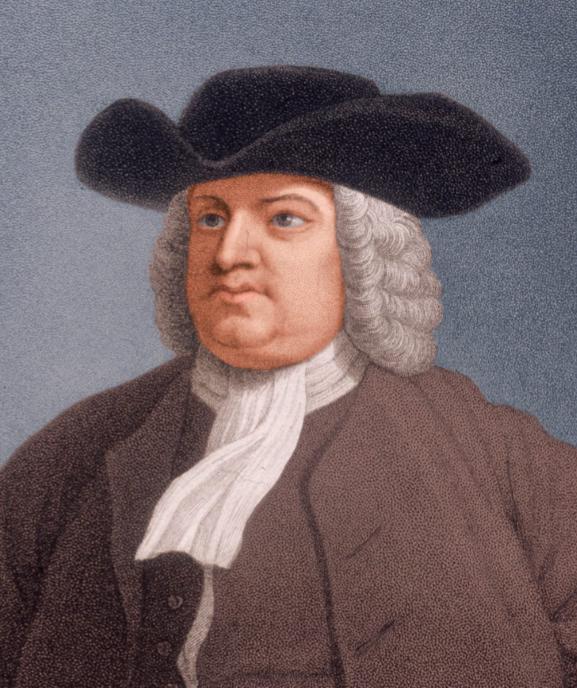
The Frame of Government of Pennsylvania was a proto-constitution for the Province of Pennsylvania, a proprietary colony granted to William Penn by Charles II of England. The Frame of Government has lasting historical importance as an important step in the development of American and world democracy.
William Penn, an English Quaker, sought to construct a new type of community with religious toleration and a great deal of political freedom. It is believed that Penn's political philosophy is embodied in the West Jersey Concessions and Agreements of 1677, which is an earlier practical experience of government constitution prior to the establishment of Pennsylvania. Although his authorship of the Concession is questioned, it is believed that he gave his full consent to it as the trustee of that colony. In the concession, all legislative power was granted to an assembly selected by the "inhabitants, freeholders and proprietors" of the colony. A commission was to be appointed by the assembly as its executive. The government structure in West Jersey demonstrated the enlightened constitutional theory that Penn had been promoting.
Also under the influence of republican political theory and humanism, the first version of the Frame of Government of Pennsylvania (now known as the Frame of 1682) incorporated a few pioneering ideas, which were later developed into important elements of modern constitutionalism. It required capital punishment to be applied to a strictly limited scope of criminal offenses only, including murder and treason. Freedom of worship in the colony was to be absolute. The assembly could bring a request of impeachment of the governor before the council for its trial.[citation needed] Unconstitutional laws should be invalidated, although it did not specifically grant courts the power to declare the unconstitutionality. It included an amendment process where six-sevenths of the legislature and the governor had to approve any change. However, the government structure speculated by the Frame of 1682 was far less liberal than that in West Jersey Concessions and Agreements of 1677.[citation needed]
The Frame of 1682 constituted a parliament consisting of two houses. The upper house, or the council, consisted of 72 members, including the first 50 purchasers[further explanation needed] of 5,000 acres or more in the colony and had the exclusive power to propose legislation. They were also authorized to nominate all officers in church and state and supervise financial and military affairs through committees. The lower house, or the assembly, consisted of smaller landowners. It had no power to initiate legislation but could accept or reject the council's legislative proposal only. The two-house parliament assists the governor with his executive functions.
Commentators believe that the Frame of 1682 was significantly influenced by Penn's supporters, primarily the earliest landholders in the colony. Little direct evidence suggested that they imposed a pressure upon the government constitution process. However, it is believed that the earliest settlers, who heavily invested in Pennsylvania, demanded a voice in constructing the framework of government.
William Markham, a trusted deputy executive of Penn in the colony for many years, commented:
"I knew very well [the Frame of Government] was forced upon him by friends who unless they received all that they demanded would not settle the country."
This partly explained Penn's deviation from his political ideas on government constitution to accommodate the demands of the settlers.
Hub AI
Frame of Government of Pennsylvania AI simulator
(@Frame of Government of Pennsylvania_simulator)
Frame of Government of Pennsylvania
The Frame of Government of Pennsylvania was a proto-constitution for the Province of Pennsylvania, a proprietary colony granted to William Penn by Charles II of England. The Frame of Government has lasting historical importance as an important step in the development of American and world democracy.
William Penn, an English Quaker, sought to construct a new type of community with religious toleration and a great deal of political freedom. It is believed that Penn's political philosophy is embodied in the West Jersey Concessions and Agreements of 1677, which is an earlier practical experience of government constitution prior to the establishment of Pennsylvania. Although his authorship of the Concession is questioned, it is believed that he gave his full consent to it as the trustee of that colony. In the concession, all legislative power was granted to an assembly selected by the "inhabitants, freeholders and proprietors" of the colony. A commission was to be appointed by the assembly as its executive. The government structure in West Jersey demonstrated the enlightened constitutional theory that Penn had been promoting.
Also under the influence of republican political theory and humanism, the first version of the Frame of Government of Pennsylvania (now known as the Frame of 1682) incorporated a few pioneering ideas, which were later developed into important elements of modern constitutionalism. It required capital punishment to be applied to a strictly limited scope of criminal offenses only, including murder and treason. Freedom of worship in the colony was to be absolute. The assembly could bring a request of impeachment of the governor before the council for its trial.[citation needed] Unconstitutional laws should be invalidated, although it did not specifically grant courts the power to declare the unconstitutionality. It included an amendment process where six-sevenths of the legislature and the governor had to approve any change. However, the government structure speculated by the Frame of 1682 was far less liberal than that in West Jersey Concessions and Agreements of 1677.[citation needed]
The Frame of 1682 constituted a parliament consisting of two houses. The upper house, or the council, consisted of 72 members, including the first 50 purchasers[further explanation needed] of 5,000 acres or more in the colony and had the exclusive power to propose legislation. They were also authorized to nominate all officers in church and state and supervise financial and military affairs through committees. The lower house, or the assembly, consisted of smaller landowners. It had no power to initiate legislation but could accept or reject the council's legislative proposal only. The two-house parliament assists the governor with his executive functions.
Commentators believe that the Frame of 1682 was significantly influenced by Penn's supporters, primarily the earliest landholders in the colony. Little direct evidence suggested that they imposed a pressure upon the government constitution process. However, it is believed that the earliest settlers, who heavily invested in Pennsylvania, demanded a voice in constructing the framework of government.
William Markham, a trusted deputy executive of Penn in the colony for many years, commented:
"I knew very well [the Frame of Government] was forced upon him by friends who unless they received all that they demanded would not settle the country."
This partly explained Penn's deviation from his political ideas on government constitution to accommodate the demands of the settlers.
Recent media