



Community hub
Recent from talks
Knowledge base stats:
Talk channels stats:
Members stats:
Francis Ledwidge
Francis Edward Ledwidge (19 August 1887 – 31 July 1917) was a 20th-century Irish poet. From Slane, County Meath, and sometimes known as the "poet of the blackbirds", he was later also known as a First World War war poet. He befriended the established writer Lord Dunsany, who helped with the publication of his works. He was killed in action at Ypres in 1917.
Born to a poor family in Slane, County Meath, Ledwidge started writing at an early age and was first published in a local newspaper at the age of 14. Finding work as a labourer and miner, he was also a trade union activist, and a keen patriot and nationalist, associated with Sinn Féin. He became friendly with a local landowner, the writer Lord Dunsany, who gave him a workspace in the library of Dunsany Castle, and introduced him to literary figures including William Butler Yeats, Æ and Katherine Tynan, with whom he had a long-term correspondence. He was elected to a local government post and helped organise the local branch of the Irish Volunteers, while Dunsany edited the first volume of his poetry and helped him secure publication for it.
Despite having sided with the faction of the Irish Volunteers which opposed participation in the war, and against the wishes of Lord Dunsany, he enlisted in the Royal Inniskilling Fusiliers in October 1914 and continued to write poetry on campaign, sending work to Dunsany and to family and other friends. Having been posted to several theatres of the war, he was killed in action in July 1917 during the early phase of the Battle of Passchendaele. At the time of his death, he and Dunsany were in advanced preparation for a second volume of his work, and Dunsany later arranged for a third volume and a collected edition of 122 poems in 1919. Some musical settings of his work were also composed. Further poems, from the archives at Dunsany Castle and some material held by families of relatives and friends, were published by Ledwidge's biographer, Alice Curtayne, in 1974, by enthusiast Hubert Dunn and by the two major Ledwidge memorial groups, in 1997 and 2022 respectively.
A museum of his life and work was opened in his birthplace cottage in 1982 and was the site of multiple events in the decades after; it remains operational as of 2022. Ledwidge was selected as one of twelve prominent war poets - and the only Irish one - for the exhibition Anthem for Doomed Youth at the Imperial War Museum in London in 2002. He has been memorialised at events at the Slane museum, in Ypres and in Inchicore, Dublin, with his official centenary commemoration at Slane in 2017 and his work set to music and performed by Anúna at the former Inchicore barracks the same year. A few Ledwidge manuscripts are held in the National Library of Ireland, and the main surviving collection, including his early works, is in the archives of Dunsany Castle, along with letters. Selections of both handwritten and typed manuscripts have been shown publicly at the Anthem for Doomed Youth exhibition and at a book launch at Slane Castle in 2022, and privately to scholars and members of the Ledwidge Cottage Museum committee.
Francis Ledwidge, known to his family as "Frank", was born at Janeville (Baile Sinead) on the eastern edge of Slane, in County Meath, Ireland, the eighth of nine children in a poverty-stricken family. His parents, Patrick Ledwidge and his wife Anne Lynch (1853–1926), believed in giving their children the best education they could afford; however, when Francis was only five, his father Patrick died, which forced his wife and the children out to work at an early age.
Francis left the local national school aged thirteen, and while he continued to educate himself, he worked at what work he could find. Employment included work as a farm hand, road surface mender and supervisor of roadwork, copper miner at Beaupark Mine near Slane (from which post he was sacked for organising a strike for better mining conditions, three years before the general 1913 strike, having been a trade union activist since 1906) and, briefly, a shop assistant in Dublin.
Appointed secretary of the Slane branch of the Meath Labour Union (1913–14) he had aspirations towards permanent white-collar work. He was known for his connections with Sinn Féin.
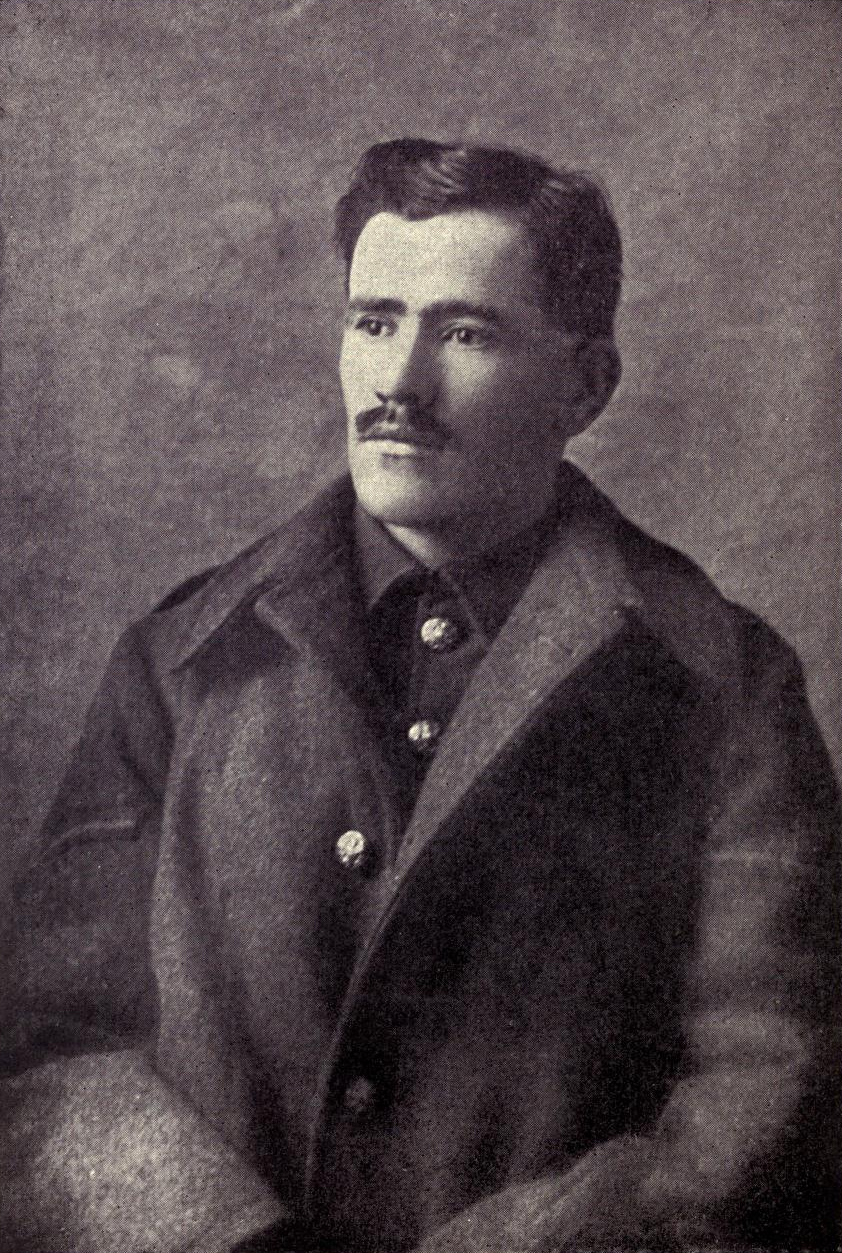
Strongly built, with striking brown eyes and a sensuous face, Ledwidge was a keen poet, writing wherever he could – sometimes even on gates or fence posts. From the age of fourteen his works were published in a local newspaper, the Drogheda Independent, and reflected his passion for the Boyne Valley. He was also published with some regularity in the Irish Weekly Independent and Sunday Independent from mid-1909. These early poetry publications were largely unpaid.
Hub AI
Francis Ledwidge AI simulator
(@Francis Ledwidge_simulator)
Francis Ledwidge
Francis Edward Ledwidge (19 August 1887 – 31 July 1917) was a 20th-century Irish poet. From Slane, County Meath, and sometimes known as the "poet of the blackbirds", he was later also known as a First World War war poet. He befriended the established writer Lord Dunsany, who helped with the publication of his works. He was killed in action at Ypres in 1917.
Born to a poor family in Slane, County Meath, Ledwidge started writing at an early age and was first published in a local newspaper at the age of 14. Finding work as a labourer and miner, he was also a trade union activist, and a keen patriot and nationalist, associated with Sinn Féin. He became friendly with a local landowner, the writer Lord Dunsany, who gave him a workspace in the library of Dunsany Castle, and introduced him to literary figures including William Butler Yeats, Æ and Katherine Tynan, with whom he had a long-term correspondence. He was elected to a local government post and helped organise the local branch of the Irish Volunteers, while Dunsany edited the first volume of his poetry and helped him secure publication for it.
Despite having sided with the faction of the Irish Volunteers which opposed participation in the war, and against the wishes of Lord Dunsany, he enlisted in the Royal Inniskilling Fusiliers in October 1914 and continued to write poetry on campaign, sending work to Dunsany and to family and other friends. Having been posted to several theatres of the war, he was killed in action in July 1917 during the early phase of the Battle of Passchendaele. At the time of his death, he and Dunsany were in advanced preparation for a second volume of his work, and Dunsany later arranged for a third volume and a collected edition of 122 poems in 1919. Some musical settings of his work were also composed. Further poems, from the archives at Dunsany Castle and some material held by families of relatives and friends, were published by Ledwidge's biographer, Alice Curtayne, in 1974, by enthusiast Hubert Dunn and by the two major Ledwidge memorial groups, in 1997 and 2022 respectively.
A museum of his life and work was opened in his birthplace cottage in 1982 and was the site of multiple events in the decades after; it remains operational as of 2022. Ledwidge was selected as one of twelve prominent war poets - and the only Irish one - for the exhibition Anthem for Doomed Youth at the Imperial War Museum in London in 2002. He has been memorialised at events at the Slane museum, in Ypres and in Inchicore, Dublin, with his official centenary commemoration at Slane in 2017 and his work set to music and performed by Anúna at the former Inchicore barracks the same year. A few Ledwidge manuscripts are held in the National Library of Ireland, and the main surviving collection, including his early works, is in the archives of Dunsany Castle, along with letters. Selections of both handwritten and typed manuscripts have been shown publicly at the Anthem for Doomed Youth exhibition and at a book launch at Slane Castle in 2022, and privately to scholars and members of the Ledwidge Cottage Museum committee.
Francis Ledwidge, known to his family as "Frank", was born at Janeville (Baile Sinead) on the eastern edge of Slane, in County Meath, Ireland, the eighth of nine children in a poverty-stricken family. His parents, Patrick Ledwidge and his wife Anne Lynch (1853–1926), believed in giving their children the best education they could afford; however, when Francis was only five, his father Patrick died, which forced his wife and the children out to work at an early age.
Francis left the local national school aged thirteen, and while he continued to educate himself, he worked at what work he could find. Employment included work as a farm hand, road surface mender and supervisor of roadwork, copper miner at Beaupark Mine near Slane (from which post he was sacked for organising a strike for better mining conditions, three years before the general 1913 strike, having been a trade union activist since 1906) and, briefly, a shop assistant in Dublin.
Appointed secretary of the Slane branch of the Meath Labour Union (1913–14) he had aspirations towards permanent white-collar work. He was known for his connections with Sinn Féin.
Strongly built, with striking brown eyes and a sensuous face, Ledwidge was a keen poet, writing wherever he could – sometimes even on gates or fence posts. From the age of fourteen his works were published in a local newspaper, the Drogheda Independent, and reflected his passion for the Boyne Valley. He was also published with some regularity in the Irish Weekly Independent and Sunday Independent from mid-1909. These early poetry publications were largely unpaid.