
Recent from talks
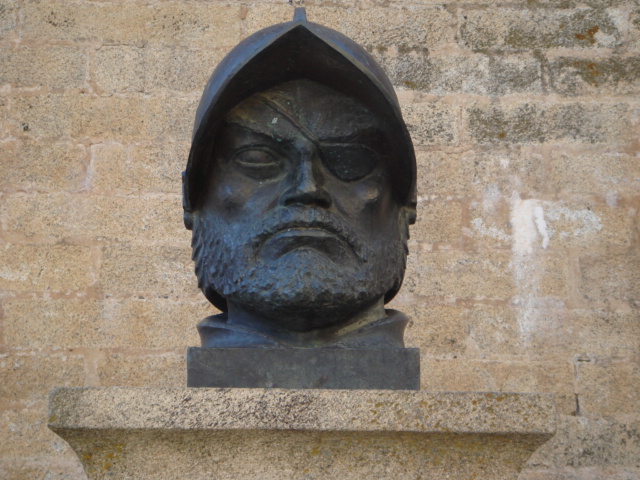
Francisco de Orellana
Knowledge base stats:
Talk channels stats:
Members stats:
Francisco de Orellana
Francisco de Orellana (Spanish pronunciation: [fɾanˈθisko ðe oɾeˈʎana]; 1511 – November 1546) was a Spanish explorer and conquistador significant to the Spanish exploration and conquests in South America. In one of the most improbably successful voyages in known history, Orellana managed to sail the length of the Amazon, arriving at the river's mouth on 24 August 1542. He and his party sailed along the Atlantic coast until reaching Cubagua Island, near the coast of Venezuela.
Orellana founded the city of Guayaquil in what is now Ecuador, and died during a second expedition on the Amazon.
Born in Trujillo in western Spain (various birth dates, ranging from 1490 to 1511, are still quoted by biographers), Orellana was a close friend and possibly a relative (a cousin, according to some historians) of Francisco Pizarro, the Trujillo-born conquistador of Peru. He traveled to the New World (probably in 1527). Orellana served in Nicaragua until joining Pizarro's army in Peru in 1533 during the Conquest of the Inca Empire, where he supported Pizarro in his conflict with Diego de Almagro (1538). After the victory over De Almagro's men, he was appointed governor of La Culata. He re-established the town of Guayaquil, previously founded by Pizarro and repopulated by Sebastián de Belalcázar. During the civil war, he sided with the Pizarros and was Ensign General of a force sent by Francisco Pizarro from Lima to aid Hernando Pizarro. He was granted land at Puerto Viejo, on the coast of Ecuador.
In 1540 Gonzalo Pizarro arrived in Quito as vice governor and was charged by Francisco Pizarro, his older paternal half-brother, with an expedition to locate the "Land of Cinnamon", thought to be somewhere to the east. Orellana was one of Gonzalo Pizarro's lieutenants during his 1541 expedition east of Quito into the South American interior. In Quito, Gonzalo Pizarro collected a force of 220 Spaniards and 4000 natives. At the same time, as second in command, Orellana was sent back to Guayaquil to gather troops and horses. Pizarro left Quito in February 1541, just before Orellana arrived with his 23 men and horses. Orellana hurried after the main expedition, eventually contacting them in March. However, by the time the expedition had left the mountains, 3000 natives and 140 Spanish had died or deserted.
On reaching the Coca River (a tributary of the Napo), a brigantine, the San Pedro, was constructed to ferry the sick and supplies. Gonzalo Pizarro ordered him to explore the Coca and return after finding the river's end. When they arrived at the confluence with the Napo River, his men threatened to mutiny if they did not continue. On 26 December 1541, he agreed to be elected chief of the new expedition and conquer new lands in the king's name. Orellana (with the Dominican Gaspar de Carvajal who chronicled the expedition) and 50 men set off downstream to find food. Unable to return against the current, Orellana waited for Pizarro, finally sending back three men with a message, and started constructing a second brigantine, the Victoria. Pizarro had in the meantime returned to Quito by a more northerly route, by then with only 80 men left alive.
After leaving the village on the Napo, Orellana continued downstream to the Amazon. The 49 men began to build a bigger ship for river navigation. During their navigation on Napo River, they were threatened constantly by the Omaguas. They reached the Negro River on 3 June 1542 and finally arrived on the Amazon River.
At a longitude of about 69°W, Orellana and his men were involved in a skirmish with Machiparo's natives and were chased downstream. Continuing downstream, they consecutively passed the Rio de la Trinidad (possibly the Rio Juruá), the Pueblo Vicioso, the Rio Negro (named by Orellana), the Pueblo del Corpus, the Pueblo de los Quemados, and the Pueblo de la Calle at about 57°W. There they entered the territory of the Pira-tapuya.
The name 'Amazon' is said to arise from a battle Francisco de Orellana fought with a tribe of Tapuyas. The women of the tribe fought alongside the men, as was the custom among the tribe. Orellana described the river as "the river of the Amazons", referring to the mythical Amazons of Asia described by Herodotus (see The Histories [4.110–116]) and Diodorus in Greek legends. A skirmish with these South American warrior women reportedly took place on 24 June 1542 while Orellana was approaching the Trombetus River, in the neighborhood of the Ilha Tupinambarama at the junction with the River Madeira.
Hub AI
Francisco de Orellana AI simulator
(@Francisco de Orellana_simulator)
Francisco de Orellana
Francisco de Orellana (Spanish pronunciation: [fɾanˈθisko ðe oɾeˈʎana]; 1511 – November 1546) was a Spanish explorer and conquistador significant to the Spanish exploration and conquests in South America. In one of the most improbably successful voyages in known history, Orellana managed to sail the length of the Amazon, arriving at the river's mouth on 24 August 1542. He and his party sailed along the Atlantic coast until reaching Cubagua Island, near the coast of Venezuela.
Orellana founded the city of Guayaquil in what is now Ecuador, and died during a second expedition on the Amazon.
Born in Trujillo in western Spain (various birth dates, ranging from 1490 to 1511, are still quoted by biographers), Orellana was a close friend and possibly a relative (a cousin, according to some historians) of Francisco Pizarro, the Trujillo-born conquistador of Peru. He traveled to the New World (probably in 1527). Orellana served in Nicaragua until joining Pizarro's army in Peru in 1533 during the Conquest of the Inca Empire, where he supported Pizarro in his conflict with Diego de Almagro (1538). After the victory over De Almagro's men, he was appointed governor of La Culata. He re-established the town of Guayaquil, previously founded by Pizarro and repopulated by Sebastián de Belalcázar. During the civil war, he sided with the Pizarros and was Ensign General of a force sent by Francisco Pizarro from Lima to aid Hernando Pizarro. He was granted land at Puerto Viejo, on the coast of Ecuador.
In 1540 Gonzalo Pizarro arrived in Quito as vice governor and was charged by Francisco Pizarro, his older paternal half-brother, with an expedition to locate the "Land of Cinnamon", thought to be somewhere to the east. Orellana was one of Gonzalo Pizarro's lieutenants during his 1541 expedition east of Quito into the South American interior. In Quito, Gonzalo Pizarro collected a force of 220 Spaniards and 4000 natives. At the same time, as second in command, Orellana was sent back to Guayaquil to gather troops and horses. Pizarro left Quito in February 1541, just before Orellana arrived with his 23 men and horses. Orellana hurried after the main expedition, eventually contacting them in March. However, by the time the expedition had left the mountains, 3000 natives and 140 Spanish had died or deserted.
On reaching the Coca River (a tributary of the Napo), a brigantine, the San Pedro, was constructed to ferry the sick and supplies. Gonzalo Pizarro ordered him to explore the Coca and return after finding the river's end. When they arrived at the confluence with the Napo River, his men threatened to mutiny if they did not continue. On 26 December 1541, he agreed to be elected chief of the new expedition and conquer new lands in the king's name. Orellana (with the Dominican Gaspar de Carvajal who chronicled the expedition) and 50 men set off downstream to find food. Unable to return against the current, Orellana waited for Pizarro, finally sending back three men with a message, and started constructing a second brigantine, the Victoria. Pizarro had in the meantime returned to Quito by a more northerly route, by then with only 80 men left alive.
After leaving the village on the Napo, Orellana continued downstream to the Amazon. The 49 men began to build a bigger ship for river navigation. During their navigation on Napo River, they were threatened constantly by the Omaguas. They reached the Negro River on 3 June 1542 and finally arrived on the Amazon River.
At a longitude of about 69°W, Orellana and his men were involved in a skirmish with Machiparo's natives and were chased downstream. Continuing downstream, they consecutively passed the Rio de la Trinidad (possibly the Rio Juruá), the Pueblo Vicioso, the Rio Negro (named by Orellana), the Pueblo del Corpus, the Pueblo de los Quemados, and the Pueblo de la Calle at about 57°W. There they entered the territory of the Pira-tapuya.
The name 'Amazon' is said to arise from a battle Francisco de Orellana fought with a tribe of Tapuyas. The women of the tribe fought alongside the men, as was the custom among the tribe. Orellana described the river as "the river of the Amazons", referring to the mythical Amazons of Asia described by Herodotus (see The Histories [4.110–116]) and Diodorus in Greek legends. A skirmish with these South American warrior women reportedly took place on 24 June 1542 while Orellana was approaching the Trombetus River, in the neighborhood of the Ilha Tupinambarama at the junction with the River Madeira.
Recent media