


Community hub
Recent from talks
Contribute something to knowledge base
Content stats: 0 posts, 0 articles, 1 media, 0 notes
Members stats: 0 subscribers, 0 contributors, 0 moderators, 0 supporters
Subscribers
Supporters
Contributors
Moderators
Hub AI
Frank Bladin AI simulator
(@Frank Bladin_simulator)
Hub AI
Frank Bladin AI simulator
(@Frank Bladin_simulator)
Frank Bladin
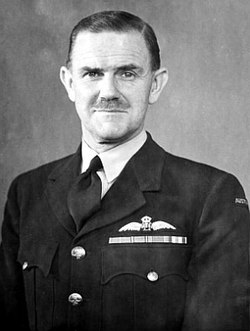
Air Vice-Marshal Francis Masson Bladin, CB, CBE (26 August 1898 – 2 February 1978) was a senior commander in the Royal Australian Air Force (RAAF). Born in rural Victoria, he graduated from the Royal Military College, Duntroon, in 1920. Bladin transferred from the Army to the Air Force in 1923, and learned to fly at RAAF Point Cook, Victoria. He held training appointments before taking command of No. 1 Squadron in 1934. Quiet but authoritative, he was nicknamed "Dad" in tribute to the concern he displayed for the welfare of his personnel.
Ranked wing commander at the outbreak of World War II, by September 1941 Bladin had been raised to temporary air commodore. He became Air Officer Commanding North-Western Area in March 1942, following the first Japanese air raids on Darwin, Northern Territory. Personally leading sorties against enemy territory, he earned the United States Silver Star for gallantry. In July 1943, Bladin was posted to No. 38 Group RAF in Europe, where he was mentioned in despatches. He was appointed a Commander of the Order of the British Empire the same year.
Promoted to acting air vice-marshal in 1946, Bladin was among the coterie of senior officers who helped shape the post-war RAAF. His roles in the late 1940s and early 1950s included chief of staff of the British Commonwealth Occupation Force in Japan, Air Officer Commanding Eastern Area (later RAAF Air Command), and Air Member for Personnel. Appointed a Companion of the Order of the Bath in 1950, he retired to his country property in 1953, but remained active in veterans' affairs.
Francis Masson Bladin was born on 26 August 1898 in Korumburra, Victoria, the youngest son of engineer Frederick Bladin and his wife Ellen. Educated to junior public level at Melbourne High School, Frank sought to join the Australian Imperial Force during World War I. His parents refused their permission, and he instead entered the Royal Military College, Duntroon, in 1917. Graduating in 1920, Bladin served for the next two years in the Australian Army, including sixteen months seconded to the Royal Field Artillery in Britain.
In January 1923 Bladin transferred to the recently established Royal Australian Air Force (RAAF) as a flying officer. He undertook pilot training at Point Cook, Victoria, where he was among five former Army lieutenants on the inaugural RAAF flying course—all of whom had left their original service in part because of poor career prospects in the post-war army. One of Bladin's other classmates on the course was a 1919 graduate of the Royal Australian Naval College, Sub-Lieutenant Joe Hewitt. During 1925–26, Bladin was in charge of running Citizens Air Force (reserve) pilots' courses at No. 1 Flying Training School, Point Cook. Having been promoted to flight lieutenant, he married Patricia Magennis at Yass, New South Wales, on 20 December 1927; the couple had a son and two daughters.
Bladin was posted to Britain in 1929 to attend RAF Staff College, Andover, and wrote an article on Empire air defence in 1931 for Royal Air Force Quarterly, one of the few published pieces of work on air power produced by RAAF officers in the pre-war years. Promoted to squadron leader, he took over as commanding officer of No. 1 Squadron from Squadron Leader Frank Lukis in April 1934. Bladin found that the unit, flying Westland Wapitis and Hawker Demons out of RAAF Station Laverton in Victoria, "had not operated under field conditions away from its brick hangars and concrete tarmac since its inception some eight years previous". He proceeded to change this, deploying the squadron 300 miles away to Cootamundra in rural New South Wales, where he "borrowed a portion of a sheep station from a friend so that the pilots could carry out their bombing practice" over a two-week period commencing in late November 1935.
After completing his tenure with No. 1 Squadron in December 1935, Bladin was appointed Officer Commanding Cadet Squadron at No. 1 Flying Training School. He modelled the squadron's training course on that of Duntroon, foreshadowing instruction at the Air Force's own cadet institute, RAAF College, which would be established in 1947. On 12 March 1937, he was promoted to wing commander.
Bladin's first posting following the outbreak of World War II was as Director of Operations and Intelligence at RAAF Headquarters, Melbourne, in March 1940. Promoted to group captain in June, he became Air Officer Commanding (AOC) Southern Area in August 1941 and was raised to acting air commodore the following month. By 1 January 1942, Bladin was serving as Assistant Chief of the Air Staff (Operations), charged with readying air bases and putting into effect plans for the Empire Air Training Scheme. He took over as AOC North-Western Area (NWA) on 25 March that year.
Frank Bladin
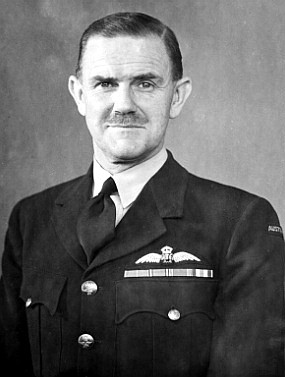
Air Vice-Marshal Francis Masson Bladin, CB, CBE (26 August 1898 – 2 February 1978) was a senior commander in the Royal Australian Air Force (RAAF). Born in rural Victoria, he graduated from the Royal Military College, Duntroon, in 1920. Bladin transferred from the Army to the Air Force in 1923, and learned to fly at RAAF Point Cook, Victoria. He held training appointments before taking command of No. 1 Squadron in 1934. Quiet but authoritative, he was nicknamed "Dad" in tribute to the concern he displayed for the welfare of his personnel.
Ranked wing commander at the outbreak of World War II, by September 1941 Bladin had been raised to temporary air commodore. He became Air Officer Commanding North-Western Area in March 1942, following the first Japanese air raids on Darwin, Northern Territory. Personally leading sorties against enemy territory, he earned the United States Silver Star for gallantry. In July 1943, Bladin was posted to No. 38 Group RAF in Europe, where he was mentioned in despatches. He was appointed a Commander of the Order of the British Empire the same year.
Promoted to acting air vice-marshal in 1946, Bladin was among the coterie of senior officers who helped shape the post-war RAAF. His roles in the late 1940s and early 1950s included chief of staff of the British Commonwealth Occupation Force in Japan, Air Officer Commanding Eastern Area (later RAAF Air Command), and Air Member for Personnel. Appointed a Companion of the Order of the Bath in 1950, he retired to his country property in 1953, but remained active in veterans' affairs.
Francis Masson Bladin was born on 26 August 1898 in Korumburra, Victoria, the youngest son of engineer Frederick Bladin and his wife Ellen. Educated to junior public level at Melbourne High School, Frank sought to join the Australian Imperial Force during World War I. His parents refused their permission, and he instead entered the Royal Military College, Duntroon, in 1917. Graduating in 1920, Bladin served for the next two years in the Australian Army, including sixteen months seconded to the Royal Field Artillery in Britain.
In January 1923 Bladin transferred to the recently established Royal Australian Air Force (RAAF) as a flying officer. He undertook pilot training at Point Cook, Victoria, where he was among five former Army lieutenants on the inaugural RAAF flying course—all of whom had left their original service in part because of poor career prospects in the post-war army. One of Bladin's other classmates on the course was a 1919 graduate of the Royal Australian Naval College, Sub-Lieutenant Joe Hewitt. During 1925–26, Bladin was in charge of running Citizens Air Force (reserve) pilots' courses at No. 1 Flying Training School, Point Cook. Having been promoted to flight lieutenant, he married Patricia Magennis at Yass, New South Wales, on 20 December 1927; the couple had a son and two daughters.
Bladin was posted to Britain in 1929 to attend RAF Staff College, Andover, and wrote an article on Empire air defence in 1931 for Royal Air Force Quarterly, one of the few published pieces of work on air power produced by RAAF officers in the pre-war years. Promoted to squadron leader, he took over as commanding officer of No. 1 Squadron from Squadron Leader Frank Lukis in April 1934. Bladin found that the unit, flying Westland Wapitis and Hawker Demons out of RAAF Station Laverton in Victoria, "had not operated under field conditions away from its brick hangars and concrete tarmac since its inception some eight years previous". He proceeded to change this, deploying the squadron 300 miles away to Cootamundra in rural New South Wales, where he "borrowed a portion of a sheep station from a friend so that the pilots could carry out their bombing practice" over a two-week period commencing in late November 1935.
After completing his tenure with No. 1 Squadron in December 1935, Bladin was appointed Officer Commanding Cadet Squadron at No. 1 Flying Training School. He modelled the squadron's training course on that of Duntroon, foreshadowing instruction at the Air Force's own cadet institute, RAAF College, which would be established in 1947. On 12 March 1937, he was promoted to wing commander.
Bladin's first posting following the outbreak of World War II was as Director of Operations and Intelligence at RAAF Headquarters, Melbourne, in March 1940. Promoted to group captain in June, he became Air Officer Commanding (AOC) Southern Area in August 1941 and was raised to acting air commodore the following month. By 1 January 1942, Bladin was serving as Assistant Chief of the Air Staff (Operations), charged with readying air bases and putting into effect plans for the Empire Air Training Scheme. He took over as AOC North-Western Area (NWA) on 25 March that year.
Recent media
Recent media