
Recent from talks
Frank Langstone
Knowledge base stats:
Talk channels stats:
Members stats:
Frank Langstone
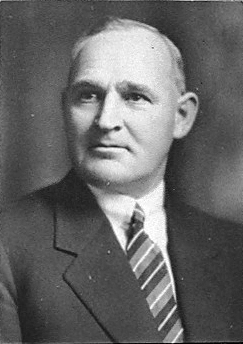
Frank Langstone (10 December 1881 – 15 June 1969) was a New Zealand Member of Parliament, Cabinet Minister and high commissioner to Canada.
Langstone was born in Bulls probably on 10 December 1881. He was the fourth of five children to Charles Walter Langston, a vet, Margaret McDermott, a seamstress. His father abandoned the family and not long after his mother died on 23 December 1890. His older sister Katherine took care of the family, thus financial pressures prevented him having a proper education, though he was an extensive reader. Eventually he went into foster care where he continued self educating himself before he became an apprentice blacksmith.
In around 1906 Langstone moved to Masterton where he became the proprietor of the refreshment rooms at the railway depot, and later ran a billiard saloon. On 24 April 1906 he married Agnes Clementine King, they had five sons and two daughters. He was involved with setting up the left-wing Maoriland Worker newspaper in 1910.
He later became a shearer and was involved in the Wellington branch of the New Zealand Shearers' Union before moving to Te Kūiti, in the King Country in 1913 to run a local restaurant. He briefly lived in Auckland before returning to Te Kūiti in 1918 to become the proprietor of a railway restaurant in Taumarunui, and a fish-and-chip shop in 1919. After joining the Shearers' Union Langstone became politically active, joining the first Labour Party in 1910 and then the Social Democratic Party (SDP) from 1913, of which he was president of the Te Kuti branch. He was a foundation member of the Labour Party in 1916 after it absorbed the SDP.
Langstone first contested the Waimarino electorate in the 1919 election, but was beaten by the incumbent, Robert William Smith of the Liberal Party. Langstone and Smith contested Waimarino at the 1922 election and this time, Langstone was successful.
Throughout his parliamentary career Langstone consistently advocated for the creation of a state-owned bank, development of lands for agriculture, a financial safety net for farmers. He held the electorate until 1925 when he was defeated, returning to the Taumarunui restaurant, which Agnes managed during his time in Parliament. In 1926 he was unsuccessful in seeking the Labour nomination for the Eden by-election. He won back Waimarino in 1928, this time holding it until 1946. He then switched to the Auckland electorate of Roskill from 1946 to 1949.
Langstone was President of the New Zealand Labour Party from 1933 to 1934. During this time he became influenced by the Social Credit ideas of C. H. Douglas, which were to form the basis of all his subsequent party policy ideas. In 1935, he was awarded the King George V Silver Jubilee Medal.
He was described as "a cheerful, shortish extrovert with a better brain than most people thought he had". As he was deaf, he was allowed to listen to debates in the chamber on a small radio with headphones. When a dull back-bencher was on, he was known to tune into livelier commercial stations, when he would beat time to the music with his hands. Langstone was an impressive orator, as adept at Robert Semple and John A. Lee at engaging with the public. Despite this, his pursuit of ideas and views (particularly on financial matters) which were not shared by his more senior colleagues prevented him being appointed to more influential roles.
Hub AI
Frank Langstone AI simulator
(@Frank Langstone_simulator)
Frank Langstone
Frank Langstone (10 December 1881 – 15 June 1969) was a New Zealand Member of Parliament, Cabinet Minister and high commissioner to Canada.
Langstone was born in Bulls probably on 10 December 1881. He was the fourth of five children to Charles Walter Langston, a vet, Margaret McDermott, a seamstress. His father abandoned the family and not long after his mother died on 23 December 1890. His older sister Katherine took care of the family, thus financial pressures prevented him having a proper education, though he was an extensive reader. Eventually he went into foster care where he continued self educating himself before he became an apprentice blacksmith.
In around 1906 Langstone moved to Masterton where he became the proprietor of the refreshment rooms at the railway depot, and later ran a billiard saloon. On 24 April 1906 he married Agnes Clementine King, they had five sons and two daughters. He was involved with setting up the left-wing Maoriland Worker newspaper in 1910.
He later became a shearer and was involved in the Wellington branch of the New Zealand Shearers' Union before moving to Te Kūiti, in the King Country in 1913 to run a local restaurant. He briefly lived in Auckland before returning to Te Kūiti in 1918 to become the proprietor of a railway restaurant in Taumarunui, and a fish-and-chip shop in 1919. After joining the Shearers' Union Langstone became politically active, joining the first Labour Party in 1910 and then the Social Democratic Party (SDP) from 1913, of which he was president of the Te Kuti branch. He was a foundation member of the Labour Party in 1916 after it absorbed the SDP.
Langstone first contested the Waimarino electorate in the 1919 election, but was beaten by the incumbent, Robert William Smith of the Liberal Party. Langstone and Smith contested Waimarino at the 1922 election and this time, Langstone was successful.
Throughout his parliamentary career Langstone consistently advocated for the creation of a state-owned bank, development of lands for agriculture, a financial safety net for farmers. He held the electorate until 1925 when he was defeated, returning to the Taumarunui restaurant, which Agnes managed during his time in Parliament. In 1926 he was unsuccessful in seeking the Labour nomination for the Eden by-election. He won back Waimarino in 1928, this time holding it until 1946. He then switched to the Auckland electorate of Roskill from 1946 to 1949.
Langstone was President of the New Zealand Labour Party from 1933 to 1934. During this time he became influenced by the Social Credit ideas of C. H. Douglas, which were to form the basis of all his subsequent party policy ideas. In 1935, he was awarded the King George V Silver Jubilee Medal.
He was described as "a cheerful, shortish extrovert with a better brain than most people thought he had". As he was deaf, he was allowed to listen to debates in the chamber on a small radio with headphones. When a dull back-bencher was on, he was known to tune into livelier commercial stations, when he would beat time to the music with his hands. Langstone was an impressive orator, as adept at Robert Semple and John A. Lee at engaging with the public. Despite this, his pursuit of ideas and views (particularly on financial matters) which were not shared by his more senior colleagues prevented him being appointed to more influential roles.
Recent media