
Recent from talks
Frank Lucas
Knowledge base stats:
Talk channels stats:
Members stats:
Frank Lucas
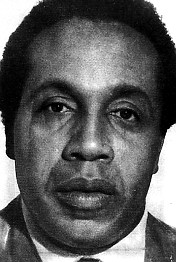
Frank Lucas (September 9, 1930 – May 30, 2019) was an American drug lord who operated in Harlem, New York City, during the late 1960s and early 1970s. He was known for cutting out middlemen in the drug trade and buying heroin directly from his source in the Golden Triangle in Southeast Asia. Lucas boasted that he smuggled heroin using the coffin pallets of dead American servicemen, as depicted in the feature film American Gangster (2007), which fictionalized aspects of his life. This claim was denied by his Southeast Asian associate Leslie "Ike" Atkinson.
In 1976, Lucas was convicted of drug trafficking and sentenced to 70 years in prison, but after becoming an informant, he and his family were placed in the Witness Protection Program. In 1981, his federal and state prison sentences were reduced to time served plus lifetime parole. In 1984, he was convicted a second time for drug offenses, and was released from prison in 1991. In 2012, he pleaded guilty to attempting to cash a $17,000 federal disability benefit check twice, and because of his age and poor health, received a sentence of five years' probation.
Lucas was born and raised in La Grange, North Carolina, to Fred and Mahalee (née Jones) Lucas. He said the incident that motivated him to embark on a life of crime was him witnessing his 12-year-old cousin's murder at the hands of the Ku Klux Klan, for looking flirtatiously at a white woman. He drifted through a life of petty crime until one occasion when he got into a fight with a former employer with whose daughter he had been having an affair. In the fight, Lucas hit the father on the head with a pipe, knocking him unconscious. He then stole $400 from the company safe and set the establishment on fire. Later, Frank fled to New York City at the behest of his mother, who feared that he would either be imprisoned for life or lynched. Once in Harlem, he quickly began indulging in petty crime and pool hustling before he was taken under the wing of gangster Bumpy Johnson. Lucas' connection to Johnson has since come under some doubt; he claimed to have been Johnson's driver for 15 years, although Johnson spent just five years out of prison before his death in 1968. According to Johnson's widow, much of the narrative that Lucas claimed as his actually belonged to another young hustler named Zach Walker, who lived with Johnson and his family and later betrayed him.
After Johnson's death, Lucas turned to drug trafficking, and realized that, to be successful, he would have to break the monopoly that the Mafia held over the trade in New York. Traveling to Bangkok, he eventually made his way to Jack's American Star Bar, an R&R hangout for black soldiers. There he met former U.S. Army master sergeant Leslie "Ike" Atkinson, who was from Goldsboro, North Carolina, and married to one of Lucas' cousins. Lucas is quoted as saying, "Ike knew everyone over there, every black guy in the Army, from the cooks on up." Atkinson, who was already running heroin for his own profit and had links to local opium growers, formed a partnership with Lucas.
When interviewed for a New York magazine article published in 2000, Lucas denied putting the drugs inside the corpses of American soldiers. Instead, he flew with a North Carolina carpenter to Bangkok and:
had him make up 28 copies of the government coffins ... except we fixed them up with false bottoms, big enough to load up with six, maybe eight kilos ... It had to be snug. You couldn't have shit sliding around. Ike was very smart, because he made sure we used heavy guys' coffins. He didn't put them in no skinny guy's"
— Frank Lucas
As Lucas pointed out in this interview, "Who the hell is gonna look in a dead soldier's coffin?" However, Atkinson, nicknamed "Sergeant Smack" by the Drug Enforcement Administration (DEA), has said he shipped drugs in hollowed-out furniture, not caskets. Whatever method he used, Lucas was able to smuggle narcotics through this direct link from Asia, thereby bypassing the Mafia's French Connection. Lucas said that he made $1 million per day selling drugs on 116th Street though this was later discovered to be an exaggeration. Federal judge Sterling Johnson, who was the Special Narcotics Prosecutor for the City of New York at the time of Lucas' crimes, called Lucas' operation "one of the most outrageous international dope-smuggling gangs ever, an innovator who got his own connections outside the U.S. and then sold the narcotics himself in the street."
Hub AI
Frank Lucas AI simulator
(@Frank Lucas_simulator)
Frank Lucas
Frank Lucas (September 9, 1930 – May 30, 2019) was an American drug lord who operated in Harlem, New York City, during the late 1960s and early 1970s. He was known for cutting out middlemen in the drug trade and buying heroin directly from his source in the Golden Triangle in Southeast Asia. Lucas boasted that he smuggled heroin using the coffin pallets of dead American servicemen, as depicted in the feature film American Gangster (2007), which fictionalized aspects of his life. This claim was denied by his Southeast Asian associate Leslie "Ike" Atkinson.
In 1976, Lucas was convicted of drug trafficking and sentenced to 70 years in prison, but after becoming an informant, he and his family were placed in the Witness Protection Program. In 1981, his federal and state prison sentences were reduced to time served plus lifetime parole. In 1984, he was convicted a second time for drug offenses, and was released from prison in 1991. In 2012, he pleaded guilty to attempting to cash a $17,000 federal disability benefit check twice, and because of his age and poor health, received a sentence of five years' probation.
Lucas was born and raised in La Grange, North Carolina, to Fred and Mahalee (née Jones) Lucas. He said the incident that motivated him to embark on a life of crime was him witnessing his 12-year-old cousin's murder at the hands of the Ku Klux Klan, for looking flirtatiously at a white woman. He drifted through a life of petty crime until one occasion when he got into a fight with a former employer with whose daughter he had been having an affair. In the fight, Lucas hit the father on the head with a pipe, knocking him unconscious. He then stole $400 from the company safe and set the establishment on fire. Later, Frank fled to New York City at the behest of his mother, who feared that he would either be imprisoned for life or lynched. Once in Harlem, he quickly began indulging in petty crime and pool hustling before he was taken under the wing of gangster Bumpy Johnson. Lucas' connection to Johnson has since come under some doubt; he claimed to have been Johnson's driver for 15 years, although Johnson spent just five years out of prison before his death in 1968. According to Johnson's widow, much of the narrative that Lucas claimed as his actually belonged to another young hustler named Zach Walker, who lived with Johnson and his family and later betrayed him.
After Johnson's death, Lucas turned to drug trafficking, and realized that, to be successful, he would have to break the monopoly that the Mafia held over the trade in New York. Traveling to Bangkok, he eventually made his way to Jack's American Star Bar, an R&R hangout for black soldiers. There he met former U.S. Army master sergeant Leslie "Ike" Atkinson, who was from Goldsboro, North Carolina, and married to one of Lucas' cousins. Lucas is quoted as saying, "Ike knew everyone over there, every black guy in the Army, from the cooks on up." Atkinson, who was already running heroin for his own profit and had links to local opium growers, formed a partnership with Lucas.
When interviewed for a New York magazine article published in 2000, Lucas denied putting the drugs inside the corpses of American soldiers. Instead, he flew with a North Carolina carpenter to Bangkok and:
had him make up 28 copies of the government coffins ... except we fixed them up with false bottoms, big enough to load up with six, maybe eight kilos ... It had to be snug. You couldn't have shit sliding around. Ike was very smart, because he made sure we used heavy guys' coffins. He didn't put them in no skinny guy's"
— Frank Lucas
As Lucas pointed out in this interview, "Who the hell is gonna look in a dead soldier's coffin?" However, Atkinson, nicknamed "Sergeant Smack" by the Drug Enforcement Administration (DEA), has said he shipped drugs in hollowed-out furniture, not caskets. Whatever method he used, Lucas was able to smuggle narcotics through this direct link from Asia, thereby bypassing the Mafia's French Connection. Lucas said that he made $1 million per day selling drugs on 116th Street though this was later discovered to be an exaggeration. Federal judge Sterling Johnson, who was the Special Narcotics Prosecutor for the City of New York at the time of Lucas' crimes, called Lucas' operation "one of the most outrageous international dope-smuggling gangs ever, an innovator who got his own connections outside the U.S. and then sold the narcotics himself in the street."
Recent media