
Recent from talks
Franz Nissl
Knowledge base stats:
Talk channels stats:
Members stats:
Franz Nissl
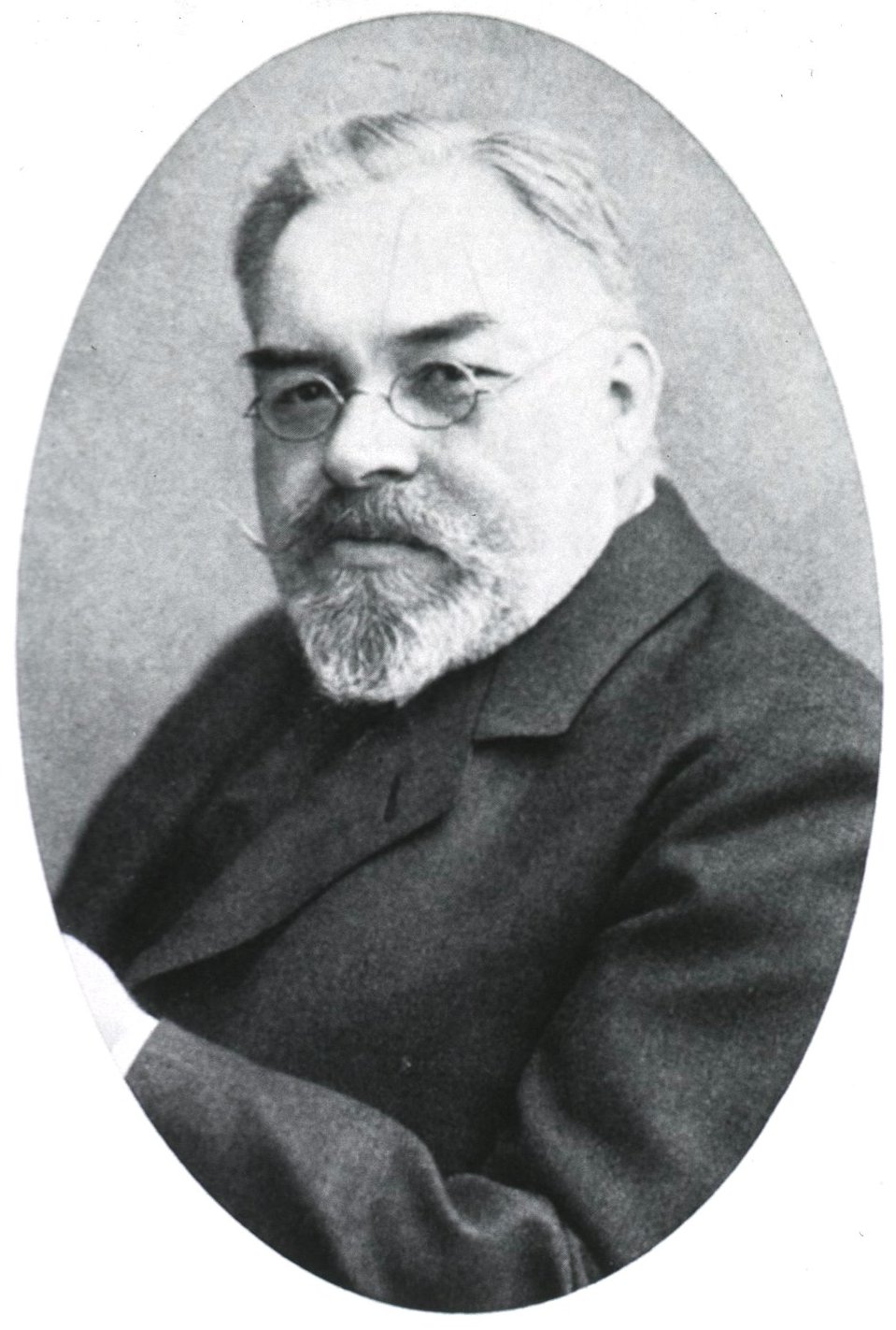
Franz Alexander Nissl (9 September 1860, in Frankenthal – 11 August 1919, in Munich) was a German psychiatrist and medical researcher. He was a noted neuropathologist.
Nissl was born in Frankenthal to Theodor Nissl and Maria Haas. Theodor taught Latin in a Catholic school and wanted Franz to become a priest. However Franz entered the Ludwig Maximilian University of Munich to study medicine. Later, he specialized in Psychiatry.
One of Nissl's university professors was Bernhard von Gudden. His assistant, Sigbert Josef Maria Ganser suggested that Nissl write an essay on the pathology of the cells of the cortex of the brain. When the medical faculty offered a competition for a prize in neurology in 1884, Nissl undertook the brain-cortex study. He used alcohol as a fixative and developed a staining technique that allowed the demonstration of several new nerve-cell constituents. Nissl won the prize, and wrote his doctoral dissertation on the same topic in 1885.
Professor von Gudden was the judge in Nissl's college-essay competition, and he was so impressed with the study that he offered Nissl an assistantship at the Furstenried castle southwest of Munich, where one of his responsibilities was to care for the mad Prince Otto. Nissl accepted, and remained in that post from 1885 until 1888. There was a small laboratory at the castle, which enabled Nissl to continue with his neuropathological research. In 1888 Nissl moved to the Institution Blankenheim. In 1889 he went to Frankfurt as second in position under Emil Sioli (1852–1922) at the Städtische Irrenanstalt. There he met neurologist Ludwig Edinger and neuropathologist Karl Weigert, who was developing a neuroglial stain. This work motivated Nissl to study mental and nervous diseases by relating them to observable changes in glial cells, blood elements, blood vessels and brain tissue in general.
In Frankfurt Nissl became acquainted with Alois Alzheimer, and they collaborated over seven years. They became close friends, jointly editing the Histologische und histopathologische Arbeiten über die Grosshirnrinde (1904–1921).
In 1895 Emil Kraepelin invited Nissl to become assistant physician at the University of Heidelberg. By 1904 he was a full professor at that institution, and became director of the Department of Psychiatry when Kraepelin moved to Munich.
The burden of teaching and administration, combined with poor research facilities, forced Nissl to leave many scientific projects unfinished. He also suffered from a kidney disease. During World War I he was charged with administering a large military hospital.
In 1918 Kraepelin again invited Nissl to accept a research position at the Deutsche Forschungsanstalt für Psychiatrie in Munich. After one year at that position, where he performed research alongside Korbinian Brodmann and Walther Spielmeyer, he died in 1919 of kidney disease.
Hub AI
Franz Nissl AI simulator
(@Franz Nissl_simulator)
Franz Nissl
Franz Alexander Nissl (9 September 1860, in Frankenthal – 11 August 1919, in Munich) was a German psychiatrist and medical researcher. He was a noted neuropathologist.
Nissl was born in Frankenthal to Theodor Nissl and Maria Haas. Theodor taught Latin in a Catholic school and wanted Franz to become a priest. However Franz entered the Ludwig Maximilian University of Munich to study medicine. Later, he specialized in Psychiatry.
One of Nissl's university professors was Bernhard von Gudden. His assistant, Sigbert Josef Maria Ganser suggested that Nissl write an essay on the pathology of the cells of the cortex of the brain. When the medical faculty offered a competition for a prize in neurology in 1884, Nissl undertook the brain-cortex study. He used alcohol as a fixative and developed a staining technique that allowed the demonstration of several new nerve-cell constituents. Nissl won the prize, and wrote his doctoral dissertation on the same topic in 1885.
Professor von Gudden was the judge in Nissl's college-essay competition, and he was so impressed with the study that he offered Nissl an assistantship at the Furstenried castle southwest of Munich, where one of his responsibilities was to care for the mad Prince Otto. Nissl accepted, and remained in that post from 1885 until 1888. There was a small laboratory at the castle, which enabled Nissl to continue with his neuropathological research. In 1888 Nissl moved to the Institution Blankenheim. In 1889 he went to Frankfurt as second in position under Emil Sioli (1852–1922) at the Städtische Irrenanstalt. There he met neurologist Ludwig Edinger and neuropathologist Karl Weigert, who was developing a neuroglial stain. This work motivated Nissl to study mental and nervous diseases by relating them to observable changes in glial cells, blood elements, blood vessels and brain tissue in general.
In Frankfurt Nissl became acquainted with Alois Alzheimer, and they collaborated over seven years. They became close friends, jointly editing the Histologische und histopathologische Arbeiten über die Grosshirnrinde (1904–1921).
In 1895 Emil Kraepelin invited Nissl to become assistant physician at the University of Heidelberg. By 1904 he was a full professor at that institution, and became director of the Department of Psychiatry when Kraepelin moved to Munich.
The burden of teaching and administration, combined with poor research facilities, forced Nissl to leave many scientific projects unfinished. He also suffered from a kidney disease. During World War I he was charged with administering a large military hospital.
In 1918 Kraepelin again invited Nissl to accept a research position at the Deutsche Forschungsanstalt für Psychiatrie in Munich. After one year at that position, where he performed research alongside Korbinian Brodmann and Walther Spielmeyer, he died in 1919 of kidney disease.
Recent media