
Recent from talks
Fred M. Vinson
Knowledge base stats:
Talk channels stats:
Members stats:
Fred M. Vinson
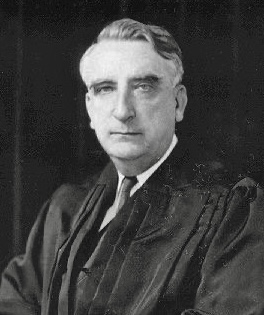
Frederick Moore Vinson (January 22, 1890 – September 8, 1953) was an American attorney and politician who served as the 13th chief justice of the United States from 1946 until his death in 1953. Vinson was one of the few Americans to have served in all three branches of the U.S. government. Before becoming chief justice, Vinson served as a U.S. Representative from Kentucky from 1924 to 1928 and 1930 to 1938, as a federal appellate judge on the U.S. Court of Appeals for the District of Columbia Circuit from 1938 to 1943, and as the U.S. Secretary of the Treasury from 1945 to 1946.
Born in Louisa, Kentucky, Vinson pursued a legal career and served in the U.S. Army during World War I. After the war, he served as the Commonwealth's Attorney for the Thirty-Second Judicial District of Kentucky before winning election to the U.S. House of Representatives in 1924. He lost re-election in 1928 but regained his seat in 1930 and served in Congress until 1937. During his time in Congress, he became an adviser and confidante of Missouri Senator Harry S. Truman. In 1937, President Franklin D. Roosevelt appointed Vinson to be a judge on the D.C. Circuit. Vinson resigned from the appellate court in 1943, when he became the Director of the Office of Economic Stabilization. After Truman acceded to the presidency following Roosevelt's death in 1945, Truman appointed Vinson to the position of Secretary of the Treasury. Vinson negotiated the payment of the Anglo-American loan and presided over the establishment of numerous post-war organizations, including the International Bank for Reconstruction and Development (commonly called the World Bank) and the International Monetary Fund.
After the death of Chief Justice Harlan F. Stone in 1946, Truman appointed Vinson to the Supreme Court. Vinson dissented in the case of Youngstown Sheet & Tube Co. v. Sawyer, which ruled against the Truman administration's control of the nation's steel mills during a strike. He ordered a rehearing of the Briggs v. Elliott case, which was eventually combined into the case known as Brown v. Board of Education. He is the most recent Chief Justice to be nominated by a Democratic president.
Vinson, known universally as Fred, was born in the newly built, eight-room, red brick house in front of the Lawrence County jail in Louisa, Kentucky, where his father served as the Lawrence County Jailer. As a child he would help his father in the jail and even made friends with prisoners who would remember his kindness when he later ran for public office. Vinson worked odd jobs while in school. He graduated from Kentucky Normal School in 1909 and enrolled at Centre College, where he graduated at the top of his class with a Bachelor of Arts degree. While at Centre, he was a member of the Kentucky Alpha Delta chapter of Phi Delta Theta fraternity. He received a Bachelor of Laws from the now defunct College of Law. He entered private practice in Louisa. He first ran for and was elected to office as the City Attorney of Louisa.
Vinson joined the Army as a private during World War I. Following the war, he was elected as the Commonwealth's Attorney for the Thirty-Second Judicial District of Kentucky. Vinson married Julia Roberta Dixon on January 24, 1924, in Ashland, Kentucky. They had two sons.
In 1924, Vinson ran in a special election for his district's seat in Congress after William J. Fields resigned to become the Governor of Kentucky. Vinson was elected as a Democrat and then was reelected twice before losing in 1928. His loss was attributed to his refusal to dissociate his campaign from Alfred E. Smith's presidential campaign. However, Vinson came back to win re-election in 1930, and he served in Congress through 1937.
While he was in Congress he befriended Missouri Senator Harry S. Truman, a friendship that would last throughout his life. He soon became a close advisor, confidant, card player, and dear friend to Truman. After Truman decided against running for another term as president in the early 1950s, he tried to convince a skeptical Vinson to seek the Democratic Party nomination, but Vinson turned down the President's offer. After being equally unsuccessful in enlisting General Dwight D. Eisenhower, President Truman eventually landed on Governor of Illinois Adlai Stevenson as his preferred successor in the 1952 presidential election.
In 1930, former congressman Vinson moved his law practice from Louisa, Kentucky thirty miles north to Ashland. With aspirations to return to Washington, D.C. as congressman, Vinson formed a circle of Ashland friends who could aid him politically and professionally. This group included his next door neighbor Paul G. Blazer. Vinson returned to Washington, D.C. as congressman in 1931. Vinson would become a frontline supporter of President Roosevelt and his cabinet's New Deal revolution.
Hub AI
Fred M. Vinson AI simulator
(@Fred M. Vinson_simulator)
Fred M. Vinson
Frederick Moore Vinson (January 22, 1890 – September 8, 1953) was an American attorney and politician who served as the 13th chief justice of the United States from 1946 until his death in 1953. Vinson was one of the few Americans to have served in all three branches of the U.S. government. Before becoming chief justice, Vinson served as a U.S. Representative from Kentucky from 1924 to 1928 and 1930 to 1938, as a federal appellate judge on the U.S. Court of Appeals for the District of Columbia Circuit from 1938 to 1943, and as the U.S. Secretary of the Treasury from 1945 to 1946.
Born in Louisa, Kentucky, Vinson pursued a legal career and served in the U.S. Army during World War I. After the war, he served as the Commonwealth's Attorney for the Thirty-Second Judicial District of Kentucky before winning election to the U.S. House of Representatives in 1924. He lost re-election in 1928 but regained his seat in 1930 and served in Congress until 1937. During his time in Congress, he became an adviser and confidante of Missouri Senator Harry S. Truman. In 1937, President Franklin D. Roosevelt appointed Vinson to be a judge on the D.C. Circuit. Vinson resigned from the appellate court in 1943, when he became the Director of the Office of Economic Stabilization. After Truman acceded to the presidency following Roosevelt's death in 1945, Truman appointed Vinson to the position of Secretary of the Treasury. Vinson negotiated the payment of the Anglo-American loan and presided over the establishment of numerous post-war organizations, including the International Bank for Reconstruction and Development (commonly called the World Bank) and the International Monetary Fund.
After the death of Chief Justice Harlan F. Stone in 1946, Truman appointed Vinson to the Supreme Court. Vinson dissented in the case of Youngstown Sheet & Tube Co. v. Sawyer, which ruled against the Truman administration's control of the nation's steel mills during a strike. He ordered a rehearing of the Briggs v. Elliott case, which was eventually combined into the case known as Brown v. Board of Education. He is the most recent Chief Justice to be nominated by a Democratic president.
Vinson, known universally as Fred, was born in the newly built, eight-room, red brick house in front of the Lawrence County jail in Louisa, Kentucky, where his father served as the Lawrence County Jailer. As a child he would help his father in the jail and even made friends with prisoners who would remember his kindness when he later ran for public office. Vinson worked odd jobs while in school. He graduated from Kentucky Normal School in 1909 and enrolled at Centre College, where he graduated at the top of his class with a Bachelor of Arts degree. While at Centre, he was a member of the Kentucky Alpha Delta chapter of Phi Delta Theta fraternity. He received a Bachelor of Laws from the now defunct College of Law. He entered private practice in Louisa. He first ran for and was elected to office as the City Attorney of Louisa.
Vinson joined the Army as a private during World War I. Following the war, he was elected as the Commonwealth's Attorney for the Thirty-Second Judicial District of Kentucky. Vinson married Julia Roberta Dixon on January 24, 1924, in Ashland, Kentucky. They had two sons.
In 1924, Vinson ran in a special election for his district's seat in Congress after William J. Fields resigned to become the Governor of Kentucky. Vinson was elected as a Democrat and then was reelected twice before losing in 1928. His loss was attributed to his refusal to dissociate his campaign from Alfred E. Smith's presidential campaign. However, Vinson came back to win re-election in 1930, and he served in Congress through 1937.
While he was in Congress he befriended Missouri Senator Harry S. Truman, a friendship that would last throughout his life. He soon became a close advisor, confidant, card player, and dear friend to Truman. After Truman decided against running for another term as president in the early 1950s, he tried to convince a skeptical Vinson to seek the Democratic Party nomination, but Vinson turned down the President's offer. After being equally unsuccessful in enlisting General Dwight D. Eisenhower, President Truman eventually landed on Governor of Illinois Adlai Stevenson as his preferred successor in the 1952 presidential election.
In 1930, former congressman Vinson moved his law practice from Louisa, Kentucky thirty miles north to Ashland. With aspirations to return to Washington, D.C. as congressman, Vinson formed a circle of Ashland friends who could aid him politically and professionally. This group included his next door neighbor Paul G. Blazer. Vinson returned to Washington, D.C. as congressman in 1931. Vinson would become a frontline supporter of President Roosevelt and his cabinet's New Deal revolution.
Recent media