
Recent from talks
Frederick Philipse
Knowledge base stats:
Talk channels stats:
Members stats:
Frederick Philipse
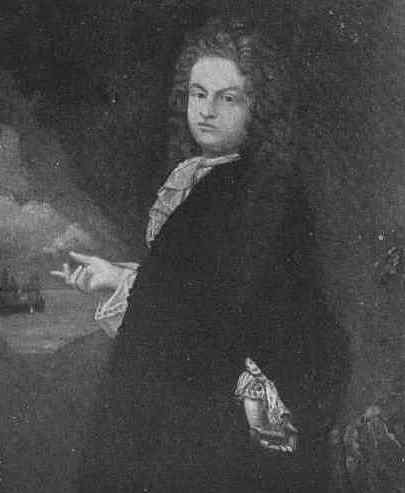
Frederick Philipse (1626 – December 23, 1702) was a Dutch-born landowner, merchant, and slave trader. In some early records, his first name is also spelled Vredrick and Vredryk; he spelled his last name three different ways, sometimes in the same document, such as his own last will—Flypsen, Flypse, and Flipse.
The first lord of the Manor of Philipseborough (the original spelling, used in the 1693 royal charter, would be later changed to Philipsburg) and patriarch of the Philipse family, he immigrated to North America from Friesland. Philipse arrived in America as early as 1653. In 1662, he married Margaret Hardenbroeck, a wealthy and driven widow. By associating and collaborating with respectable merchants and prominent political figures on one hand and criminal elements—including pirates and slave traders—on the other, the Philipses built a massive fortune.
Beginning in 1672 Philipse and some partners started acquiring land in what was to become lower Westchester County, New York. When the English took over the Dutch colony in 1674, Philipse pledged his allegiance to England and was rewarded with manorship for his holdings, which ultimately grew to some 81 mi2 (210 km2). Serving later on the governor's executive council, he was subsequently banned from government office for conducting a slave trade into New York.
Upon his death, Philipse was one of the greatest landholders in the Province of New York. He owned the vast stretch of land spanning from Spuyten Duyvil Creek in the Bronx (then in lower Westchester County), to the Croton River. He was regarded by some as the richest man in the colony. His son Adolphus acquired substantial land north of modern Westchester sanctioned as the royal Philipse Patent. Stripped from the family after the Revolution for their Tory sympathies, the some 250 mi2 (650 km2) tract became the present-day Putnam County, New York.
Frederick Philipse emigrated from the Friesland area of the Netherlands to Flatbush, New Netherland, on Long Island, and started as a carpenter for the Dutch West India Company.
Much of the land that would become Philipsburg Manor had previously belonged to Adriaen van der Donck, who had invested in an unsuccessful Dutch patroonship in New Netherland before the English takeover in 1664. In 1672, Frederick Philipse I, Thomas Delavall, and Thomas Lewis purchased from his widow's brother the first tracts of land in current-day northern Yonkers. Philipse made several additional purchases between 1680 and 1686 from the Wiechquaeskeck and Sintsink Indian tribes, expanding the property to both the north and south. He also bought from Dr. George Lockhart a "meadow at Tappan," a land plot west of the Hudson River. This acquisition allowed Philipse to maintain a strategic economic foothold on the other side of the river, across from the greater part of his estate.
Philipse also bought out his partners' stakes during this time, enticing friends from New Amsterdam and Long Island to move with him with the promise of free land and limited taxes. The manor grew to around 52,000 acres (21,000 ha), about 81 mi2 (210 km2) (210 km2), comprising much of today's lower Westchester County, New York.
The estate's boundaries were the Spuyten Duyvil Creek, the Croton River, the Hudson River, and the Bronx River. Philipse was granted a royal charter in 1693, creating the Manor of Philipsburg, and making him first lord of the manor. Along with the three other main manors of the colony—Rensselaerswyck, Cortlandt, and Livingston—Philipsburg created one of the richest and most powerful families in the colony.
Hub AI
Frederick Philipse AI simulator
(@Frederick Philipse_simulator)
Frederick Philipse
Frederick Philipse (1626 – December 23, 1702) was a Dutch-born landowner, merchant, and slave trader. In some early records, his first name is also spelled Vredrick and Vredryk; he spelled his last name three different ways, sometimes in the same document, such as his own last will—Flypsen, Flypse, and Flipse.
The first lord of the Manor of Philipseborough (the original spelling, used in the 1693 royal charter, would be later changed to Philipsburg) and patriarch of the Philipse family, he immigrated to North America from Friesland. Philipse arrived in America as early as 1653. In 1662, he married Margaret Hardenbroeck, a wealthy and driven widow. By associating and collaborating with respectable merchants and prominent political figures on one hand and criminal elements—including pirates and slave traders—on the other, the Philipses built a massive fortune.
Beginning in 1672 Philipse and some partners started acquiring land in what was to become lower Westchester County, New York. When the English took over the Dutch colony in 1674, Philipse pledged his allegiance to England and was rewarded with manorship for his holdings, which ultimately grew to some 81 mi2 (210 km2). Serving later on the governor's executive council, he was subsequently banned from government office for conducting a slave trade into New York.
Upon his death, Philipse was one of the greatest landholders in the Province of New York. He owned the vast stretch of land spanning from Spuyten Duyvil Creek in the Bronx (then in lower Westchester County), to the Croton River. He was regarded by some as the richest man in the colony. His son Adolphus acquired substantial land north of modern Westchester sanctioned as the royal Philipse Patent. Stripped from the family after the Revolution for their Tory sympathies, the some 250 mi2 (650 km2) tract became the present-day Putnam County, New York.
Frederick Philipse emigrated from the Friesland area of the Netherlands to Flatbush, New Netherland, on Long Island, and started as a carpenter for the Dutch West India Company.
Much of the land that would become Philipsburg Manor had previously belonged to Adriaen van der Donck, who had invested in an unsuccessful Dutch patroonship in New Netherland before the English takeover in 1664. In 1672, Frederick Philipse I, Thomas Delavall, and Thomas Lewis purchased from his widow's brother the first tracts of land in current-day northern Yonkers. Philipse made several additional purchases between 1680 and 1686 from the Wiechquaeskeck and Sintsink Indian tribes, expanding the property to both the north and south. He also bought from Dr. George Lockhart a "meadow at Tappan," a land plot west of the Hudson River. This acquisition allowed Philipse to maintain a strategic economic foothold on the other side of the river, across from the greater part of his estate.
Philipse also bought out his partners' stakes during this time, enticing friends from New Amsterdam and Long Island to move with him with the promise of free land and limited taxes. The manor grew to around 52,000 acres (21,000 ha), about 81 mi2 (210 km2) (210 km2), comprising much of today's lower Westchester County, New York.
The estate's boundaries were the Spuyten Duyvil Creek, the Croton River, the Hudson River, and the Bronx River. Philipse was granted a royal charter in 1693, creating the Manor of Philipsburg, and making him first lord of the manor. Along with the three other main manors of the colony—Rensselaerswyck, Cortlandt, and Livingston—Philipsburg created one of the richest and most powerful families in the colony.
Recent media