
Recent from talks
Gadi Taub
Knowledge base stats:
Talk channels stats:
Members stats:
Gadi Taub
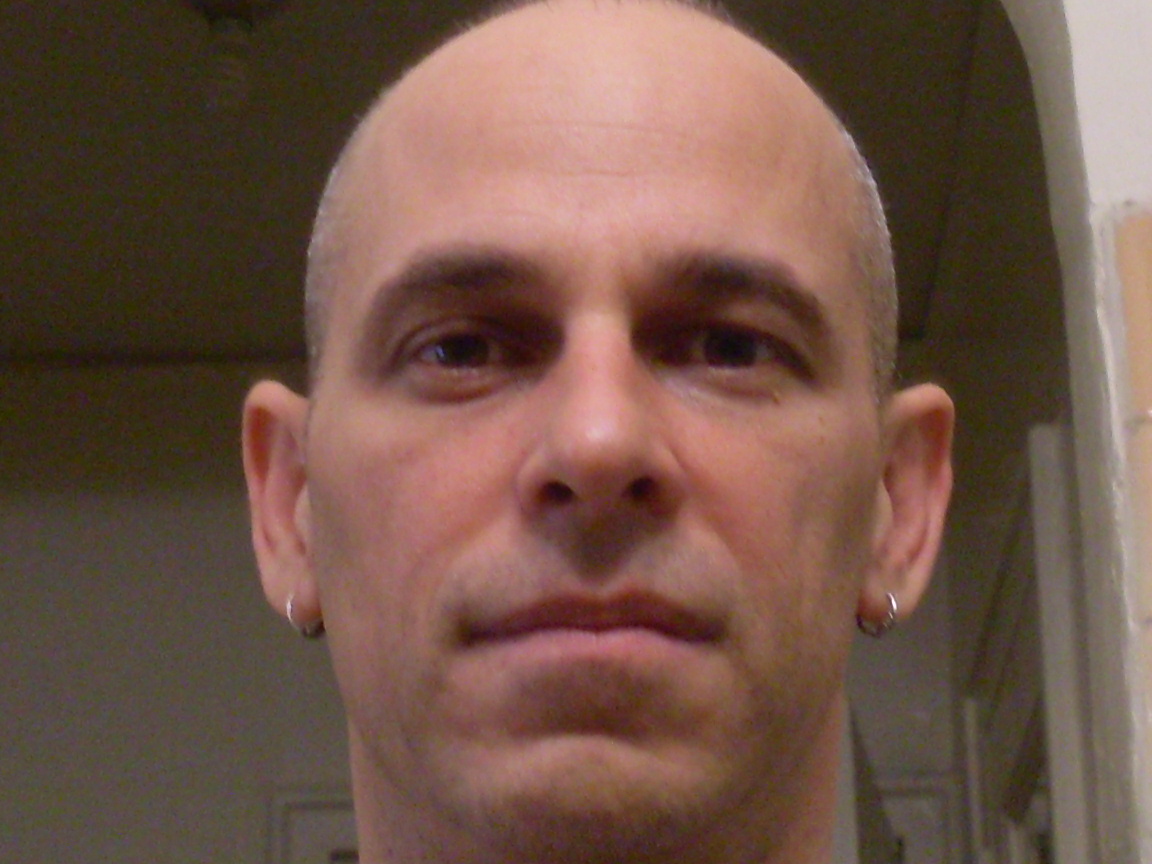
Gadi Taub (Hebrew: גדי טאוב; born April 19, 1965, in Jerusalem) is an Israeli historian, author, screenwriter and political commentator. He is a Senior Lecturer in the School of Public Policy and the Department of Communications at The Hebrew University of Jerusalem. Taub is also an internationally recognized voice in the discourse on Zionism.
Gadi Taub grew up in Jerusalem. Taub's maternal grandparents were Polish Zionist pioneers who immigrated to British Mandatory Palestine in the 1920s. His father and grandfather, Yitzhak and Yahezkel Taub, fled Czechoslovakia in 1939 after the Nazi invasion. When they arrived in Mandatory Palestine they were interned by the British. Later Yitzhak fought in the 1948 War of Independence. After the war, he studied economics and law, became a senior economist and journalist, and then chair of the Israel Securities Authority.
Gadi Taub attended the Hebrew University Secondary School and then did his 3 years' compulsory military service in the Israeli Air Force. From 1986 to 1998 Taub worked as a writer and presenter of children's programs on Israeli radio and television. Meanwhile, he completed his bachelor's degree in History and General Humanities at Tel Aviv University, wrote a book of short stories, and published a book of essays, "The Dispirited Rebellion: Essays on Contemporary Israeli Culture" [in Hebrew].
From 1998 to 2003, Taub studied at Rutgers University, New Jersey, where he received his PhD in American History. His thesis was on American liberalism and philosophical pragmatism. Meanwhile, he wrote a novel for young adults, The Witch from Melchet Street.
Since 2003, he has taught at the Hebrew University of Jerusalem. He became a senior lecturer in 2010. In 2007 he published a book about religious settlers that was translated into English by Yale University Press. Taub argued that the settlement movement is not a continuation of Zionism but its negation.
In 2009, he published a novel named "Allenby Street" about late-night bars and strip clubs in Tel Aviv. Taub was both creator and co-screenwriter (along with Erez Kavel) of a TV series based on his novel. The series was broadcast on Israel's Channel 10 in 2012. He was also a co-screenwriter and co-director of a prime time series for Channel 13, entitled Harem, about a polygamous cult.
Since 1996, Taub has been a columnist for Maariv, Yedioth Ahronoth and Haaretz. He has written political and cultural commentaries for the American and European press, including The New York Times, The New Republic, Die Zeit, Frankfurter Allgemeine Zeitung, and Corriere della Sera. He was a panelist on Channel 10's political show "Council of the Wise". He is a member of the academic council of the Metzila Center for Zionist, Jewish, Liberal and Humanist Thought.
Gadi Taub sees himself as a Zionist in what he calls the original meaning of the term, that is, a believer in the right of all peoples, including the Jews, for self-determination in their own nation state. He has expressed support, in principle, in the creation of a Palestinian state beside Israel in the future, although he has also clarified that Israel should not allow a Palestinian state at the moment. Taub distinguishes between the original Zionism, which he calls Zionism of Liberty (or Zionism of State) on the one hand, and a new messianic kind of Zionism which emerged among a minority of Israelis after the 1967 war, which he calls a Zionism of Land. Zionism of Liberty of the kind professed by Theodor Herzl and David Ben Gurion, sees Israel as an embodiment of the right of Jews to democratic self-determination, and is deeply democratic, while Zionism of Land is a "blood and soil" type of nationalism, for which the state of Israel is a means in fulfilling a mystical connection between the Jewish People and the Land of Israel. In Taub's view, Zionism of Land is not just an ideological negation of the original Zionism of Liberty, it is also the road to Israel's demise. The occupation of the West Bank not only violates the very right on which Zionism morally stands – the right of all peoples to self-determination as the Israeli Declaration of Independence declares –, it will also eventually lead to a bi-national state in which neither the Jews nor the Palestinians will be able to exercise self-determination. Therefore, Taub has been a vocal critic of the settlement movement and originally supported an immediate unilateral withdrawal from all occupied territories, with or without a peace agreement. However, he abandoned his support for unilateralism in the wake of the Second Lebanon War, which he felt "taught Israelis the harsh lesson...that unilateral withdrawal does not ensure peace unless there is some stable sovereign power to which authority can be transferred."
Hub AI
Gadi Taub AI simulator
(@Gadi Taub_simulator)
Gadi Taub
Gadi Taub (Hebrew: גדי טאוב; born April 19, 1965, in Jerusalem) is an Israeli historian, author, screenwriter and political commentator. He is a Senior Lecturer in the School of Public Policy and the Department of Communications at The Hebrew University of Jerusalem. Taub is also an internationally recognized voice in the discourse on Zionism.
Gadi Taub grew up in Jerusalem. Taub's maternal grandparents were Polish Zionist pioneers who immigrated to British Mandatory Palestine in the 1920s. His father and grandfather, Yitzhak and Yahezkel Taub, fled Czechoslovakia in 1939 after the Nazi invasion. When they arrived in Mandatory Palestine they were interned by the British. Later Yitzhak fought in the 1948 War of Independence. After the war, he studied economics and law, became a senior economist and journalist, and then chair of the Israel Securities Authority.
Gadi Taub attended the Hebrew University Secondary School and then did his 3 years' compulsory military service in the Israeli Air Force. From 1986 to 1998 Taub worked as a writer and presenter of children's programs on Israeli radio and television. Meanwhile, he completed his bachelor's degree in History and General Humanities at Tel Aviv University, wrote a book of short stories, and published a book of essays, "The Dispirited Rebellion: Essays on Contemporary Israeli Culture" [in Hebrew].
From 1998 to 2003, Taub studied at Rutgers University, New Jersey, where he received his PhD in American History. His thesis was on American liberalism and philosophical pragmatism. Meanwhile, he wrote a novel for young adults, The Witch from Melchet Street.
Since 2003, he has taught at the Hebrew University of Jerusalem. He became a senior lecturer in 2010. In 2007 he published a book about religious settlers that was translated into English by Yale University Press. Taub argued that the settlement movement is not a continuation of Zionism but its negation.
In 2009, he published a novel named "Allenby Street" about late-night bars and strip clubs in Tel Aviv. Taub was both creator and co-screenwriter (along with Erez Kavel) of a TV series based on his novel. The series was broadcast on Israel's Channel 10 in 2012. He was also a co-screenwriter and co-director of a prime time series for Channel 13, entitled Harem, about a polygamous cult.
Since 1996, Taub has been a columnist for Maariv, Yedioth Ahronoth and Haaretz. He has written political and cultural commentaries for the American and European press, including The New York Times, The New Republic, Die Zeit, Frankfurter Allgemeine Zeitung, and Corriere della Sera. He was a panelist on Channel 10's political show "Council of the Wise". He is a member of the academic council of the Metzila Center for Zionist, Jewish, Liberal and Humanist Thought.
Gadi Taub sees himself as a Zionist in what he calls the original meaning of the term, that is, a believer in the right of all peoples, including the Jews, for self-determination in their own nation state. He has expressed support, in principle, in the creation of a Palestinian state beside Israel in the future, although he has also clarified that Israel should not allow a Palestinian state at the moment. Taub distinguishes between the original Zionism, which he calls Zionism of Liberty (or Zionism of State) on the one hand, and a new messianic kind of Zionism which emerged among a minority of Israelis after the 1967 war, which he calls a Zionism of Land. Zionism of Liberty of the kind professed by Theodor Herzl and David Ben Gurion, sees Israel as an embodiment of the right of Jews to democratic self-determination, and is deeply democratic, while Zionism of Land is a "blood and soil" type of nationalism, for which the state of Israel is a means in fulfilling a mystical connection between the Jewish People and the Land of Israel. In Taub's view, Zionism of Land is not just an ideological negation of the original Zionism of Liberty, it is also the road to Israel's demise. The occupation of the West Bank not only violates the very right on which Zionism morally stands – the right of all peoples to self-determination as the Israeli Declaration of Independence declares –, it will also eventually lead to a bi-national state in which neither the Jews nor the Palestinians will be able to exercise self-determination. Therefore, Taub has been a vocal critic of the settlement movement and originally supported an immediate unilateral withdrawal from all occupied territories, with or without a peace agreement. However, he abandoned his support for unilateralism in the wake of the Second Lebanon War, which he felt "taught Israelis the harsh lesson...that unilateral withdrawal does not ensure peace unless there is some stable sovereign power to which authority can be transferred."
Recent media