



Community hub
Recent from talks
Knowledge base stats:
Talk channels stats:
Members stats:
George Frederick Ives
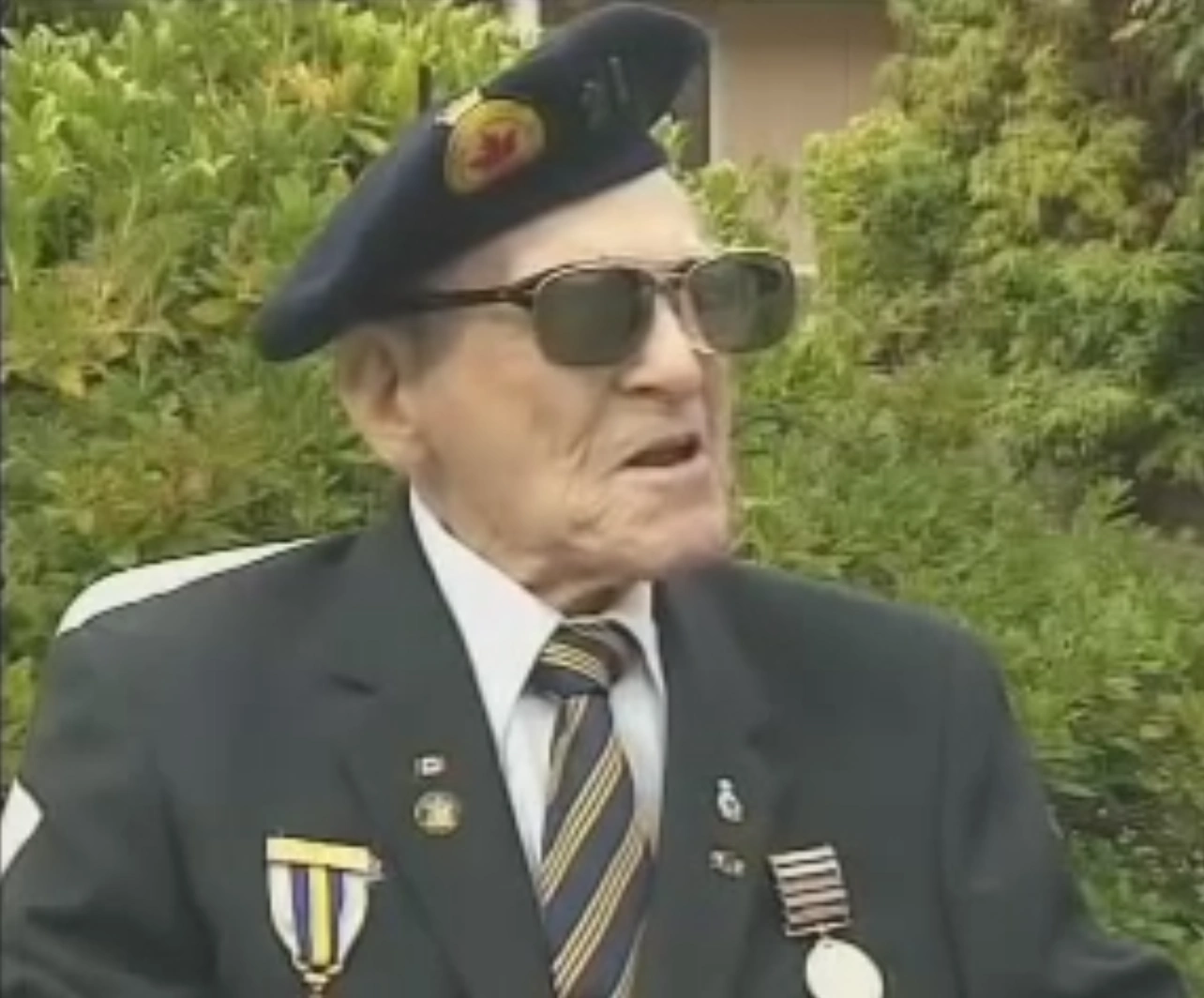
George Frederick Ives (17 November 1881 – 12 April 1993) was a British Canadian army veteran, who became known as the last surviving veteran of the Boer War. Ives became known in the UK after a piece in the Peterborough Column in the Daily Telegraph. His record as oldest British veteran, at 111 years, 146 days, of any war was broken on 1 November 2007 by First World War veteran Henry Allingham.
George Ives was born in Brighton, England on November 17, 1881. The family worked for the Tidmarsh family. He worked in his father's workshop in Bristol until 1899. That December, Ives was eager to enlist after hearing that the British had been defeated at Colenso and Magersfontein. Ives served in England as a private in the 2nd Volunteer Battalion, Bristol Engineers from 1900 to 1901.
In the Boer War, George Ives fought with the Imperial Yeomanry of the British Army in South Africa. On January 30, 1901, Ives attested for service as a Trooper, number 21198, with the 1st (Wiltshire) Company, 1st Battalion, Imperial Yeomanry. His height was 5'6", his eyes dark blue, hair black, and trade listed as a grocer. He trained in England until the end of February, when he proceeded to South Africa.
Ives served in South Africa from March 1, 1901 to August 27, 1902, fighting on patrols in the Transvaal, Orange Free State, and the Cape Colony. In an interview many years later, Ives described these patrols:
- "We started out in the morning early, had a good camp breakfast, filled our water cans up with coffee, and we went. Before the sun was up any strength at all, nearly all the drink had gone. We was [out] all day and we'd chew stones in our mouth and try and agitate a little saliva. Finally we got to the end of the trip and fell off the horse, the horse was thirsty too, and we'd throw some water in our mouths and on the back of our neck, and when we looked up [we] discovered there was two dead mules in the same pond, but it didn't matter about mules rotting, you had to satisfy your thirst."
In the same interview Ives recalled his proudest moment during the war:
- "The most important [moment] was when the Captain had us fall in, get in line, it was after supper, at night, and when they were all there he said 'Ives take ten paces forward' and I stepped forward ten paces, and he says to the company: 'here is the man who was scouting through 70 miles of enemy territory several times'. The captain then said give him a cheer, and they said 'hoorah, hoorah' and I went back in line."
Ives was discharged in England on September 3, 1902 and for his service in South Africa, he was awarded the Queen's South Africa Medal with clasps for Cape Colony, Orange Free State, Transvaal, South Africa 1901, and South Africa 1902.
Hub AI
George Frederick Ives AI simulator
(@George Frederick Ives_simulator)
George Frederick Ives
George Frederick Ives (17 November 1881 – 12 April 1993) was a British Canadian army veteran, who became known as the last surviving veteran of the Boer War. Ives became known in the UK after a piece in the Peterborough Column in the Daily Telegraph. His record as oldest British veteran, at 111 years, 146 days, of any war was broken on 1 November 2007 by First World War veteran Henry Allingham.
George Ives was born in Brighton, England on November 17, 1881. The family worked for the Tidmarsh family. He worked in his father's workshop in Bristol until 1899. That December, Ives was eager to enlist after hearing that the British had been defeated at Colenso and Magersfontein. Ives served in England as a private in the 2nd Volunteer Battalion, Bristol Engineers from 1900 to 1901.
In the Boer War, George Ives fought with the Imperial Yeomanry of the British Army in South Africa. On January 30, 1901, Ives attested for service as a Trooper, number 21198, with the 1st (Wiltshire) Company, 1st Battalion, Imperial Yeomanry. His height was 5'6", his eyes dark blue, hair black, and trade listed as a grocer. He trained in England until the end of February, when he proceeded to South Africa.
Ives served in South Africa from March 1, 1901 to August 27, 1902, fighting on patrols in the Transvaal, Orange Free State, and the Cape Colony. In an interview many years later, Ives described these patrols:
- "We started out in the morning early, had a good camp breakfast, filled our water cans up with coffee, and we went. Before the sun was up any strength at all, nearly all the drink had gone. We was [out] all day and we'd chew stones in our mouth and try and agitate a little saliva. Finally we got to the end of the trip and fell off the horse, the horse was thirsty too, and we'd throw some water in our mouths and on the back of our neck, and when we looked up [we] discovered there was two dead mules in the same pond, but it didn't matter about mules rotting, you had to satisfy your thirst."
In the same interview Ives recalled his proudest moment during the war:
- "The most important [moment] was when the Captain had us fall in, get in line, it was after supper, at night, and when they were all there he said 'Ives take ten paces forward' and I stepped forward ten paces, and he says to the company: 'here is the man who was scouting through 70 miles of enemy territory several times'. The captain then said give him a cheer, and they said 'hoorah, hoorah' and I went back in line."
Ives was discharged in England on September 3, 1902 and for his service in South Africa, he was awarded the Queen's South Africa Medal with clasps for Cape Colony, Orange Free State, Transvaal, South Africa 1901, and South Africa 1902.