
Recent from talks
George Landen Dann
Knowledge base stats:
Talk channels stats:
Members stats:
George Landen Dann
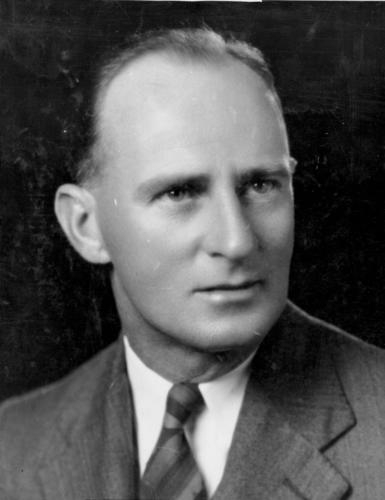
George Landen Dann (1 January 1904 – 6 June 1977) was an Australian playwright, writer, and draftsman. He is best known for a number of award-winning and critically acclaimed plays such as In Beauty It Is Finished, Fountains Beyond, Caroline Chisholm and The Orange Grove. Dann wrote dozens of published and unpublished plays over the course of his lifetime. Originally writing plays for the amateur dramatic society at Sandgate, Queensland, Dann was a particularly shy and reclusive person, and even though he wrote part-time, his more popular plays were widely performed by amateur theatre companies around Australia. George Landen Dann's writing has been appreciated for its social realism, with a number of his plays delving into issues involving Indigenous Australians and their central characters reflecting individuals that Dann had met during his time in outback Australia.
The George Landen Dann Award was established in 1992. It was awarded to promising young Australian playwrights until 2007.
Born in Sandgate, Queensland on 1 January 1904, George Landen Dann was the son of George William Dann and Mildred Challis Dann (née Pearman). He had an older sister, Isabel Challis (born 23 December 1901) and two younger sisters, Dorothy Rose (born 1905), and Mildred Matilda (born 1908). Mildred died the same year she was born.
Dann was educated at Brisbane Grammar School, and in 1920 at the age of 16 he entered the survey office of the Queensland Lands Department where he undertook training as a draftsman. It is believed that it was at the time he was undergoing his draftsman training that he began writing plays. Dann indicated in a number of letters and articles that he originally aspired to be a pastor in the Anglican Church so that he could make a difference and improve the lives of the Indigenous Australian people. This early ambition was reflected in the moral seriousness of his plays which, in some cases, addressed the discrimination and disadvantage of Aboriginal people in Australia. In 1924 he joined the Brisbane City Council as a draftsman in the water supply department.
For the first few years of his theatrical career, Dann wrote and had performed plays in and around the Sandgate area. In 1924 he performed and wrote a play for the Sandgate Queen Carnival Musical and Dramatic Concert at Town Hall. He also performed in a farcical comedy sketch called A Pair of Lunatics with Miss Gwen Taylor, and then in a comedy play Odds (which is credited to him) with his sister Isobel Dann in the cast. More significant recognition would not come until 1931 when Dann wrote In Beauty It Is Finished, first staged on 16 July at His Majesty's Theatre and directed by Barbara Sisley. Proving to be his most well-known play, In Beauty It Is Finished won the top award in the Brisbane Repertory Theatre Society's national competition against 94 other entries. Despite the acclaim the play received, there was significant media outrage surrounding its theme of addressing race relations in Australia, including the play's depiction of a relationship between a white woman and a 'half-caste' Aboriginal man. The controversy, however, meant the play was well attended, and most found the play was not as unseemly as they had been led to believe.
In 1932, during a trip to Hamilton Island, Dann experienced a personal life crisis. At this time he wrote letters to a friend referred to as 'Jim H' and conveyed his dissatisfaction with his life, knowing full well that he will never achieve the fame or recognition he deserved. In the end, he expresses his realization that his name or his works might never be famous and he is ready to accept life as an ordinary citizen. That same year he entered Oh! The Brave Music for the Brisbane Repertory Theatre Society's play competition, but it was not selected. His sister Isobel Dann died in 1932, age 30.
For the next few years, Dann would continue to write a number of award-winning plays. In 1933 he won first prize at the Queensland Eisteddfod for The Day of Roses, and his 1937 play No Incense Rising won awards from the Dramatist's Club of Australia, the Sydney Independent Theatre and Australian Dramatists Club, as well as being placed on the Playwright's Advisory Board's list of recommended Australian plays. It is believed that Dann then travelled to Sydney to conduct research for his next play Caroline Chrisholm, which was produced in 1939, first staged in 1940 and eventually published in 1943. It proved to be one of his most popular works.
Dann returned to writing on the issue of race relations with his play Fountains Beyond, arguably his most critically acclaimed play, staged and broadcast in 1942. It was awarded second place next to Douglas Stewart's Ned Kelly in the Australian Broadcasting Commission's radio-drama competition. It was performed throughout Australia, and in London and Wales in 1950. Dann enlisted in the Australian military in April 1942 where he was part of the Mobile Concert Party Unit, which was involved in entertaining men in hospitals and convalescent units. He later would say that he enlisted as a means to 'escape', not out of patriotism. He was discharged from the armed forces in 1945.
Hub AI
George Landen Dann AI simulator
(@George Landen Dann_simulator)
George Landen Dann
George Landen Dann (1 January 1904 – 6 June 1977) was an Australian playwright, writer, and draftsman. He is best known for a number of award-winning and critically acclaimed plays such as In Beauty It Is Finished, Fountains Beyond, Caroline Chisholm and The Orange Grove. Dann wrote dozens of published and unpublished plays over the course of his lifetime. Originally writing plays for the amateur dramatic society at Sandgate, Queensland, Dann was a particularly shy and reclusive person, and even though he wrote part-time, his more popular plays were widely performed by amateur theatre companies around Australia. George Landen Dann's writing has been appreciated for its social realism, with a number of his plays delving into issues involving Indigenous Australians and their central characters reflecting individuals that Dann had met during his time in outback Australia.
The George Landen Dann Award was established in 1992. It was awarded to promising young Australian playwrights until 2007.
Born in Sandgate, Queensland on 1 January 1904, George Landen Dann was the son of George William Dann and Mildred Challis Dann (née Pearman). He had an older sister, Isabel Challis (born 23 December 1901) and two younger sisters, Dorothy Rose (born 1905), and Mildred Matilda (born 1908). Mildred died the same year she was born.
Dann was educated at Brisbane Grammar School, and in 1920 at the age of 16 he entered the survey office of the Queensland Lands Department where he undertook training as a draftsman. It is believed that it was at the time he was undergoing his draftsman training that he began writing plays. Dann indicated in a number of letters and articles that he originally aspired to be a pastor in the Anglican Church so that he could make a difference and improve the lives of the Indigenous Australian people. This early ambition was reflected in the moral seriousness of his plays which, in some cases, addressed the discrimination and disadvantage of Aboriginal people in Australia. In 1924 he joined the Brisbane City Council as a draftsman in the water supply department.
For the first few years of his theatrical career, Dann wrote and had performed plays in and around the Sandgate area. In 1924 he performed and wrote a play for the Sandgate Queen Carnival Musical and Dramatic Concert at Town Hall. He also performed in a farcical comedy sketch called A Pair of Lunatics with Miss Gwen Taylor, and then in a comedy play Odds (which is credited to him) with his sister Isobel Dann in the cast. More significant recognition would not come until 1931 when Dann wrote In Beauty It Is Finished, first staged on 16 July at His Majesty's Theatre and directed by Barbara Sisley. Proving to be his most well-known play, In Beauty It Is Finished won the top award in the Brisbane Repertory Theatre Society's national competition against 94 other entries. Despite the acclaim the play received, there was significant media outrage surrounding its theme of addressing race relations in Australia, including the play's depiction of a relationship between a white woman and a 'half-caste' Aboriginal man. The controversy, however, meant the play was well attended, and most found the play was not as unseemly as they had been led to believe.
In 1932, during a trip to Hamilton Island, Dann experienced a personal life crisis. At this time he wrote letters to a friend referred to as 'Jim H' and conveyed his dissatisfaction with his life, knowing full well that he will never achieve the fame or recognition he deserved. In the end, he expresses his realization that his name or his works might never be famous and he is ready to accept life as an ordinary citizen. That same year he entered Oh! The Brave Music for the Brisbane Repertory Theatre Society's play competition, but it was not selected. His sister Isobel Dann died in 1932, age 30.
For the next few years, Dann would continue to write a number of award-winning plays. In 1933 he won first prize at the Queensland Eisteddfod for The Day of Roses, and his 1937 play No Incense Rising won awards from the Dramatist's Club of Australia, the Sydney Independent Theatre and Australian Dramatists Club, as well as being placed on the Playwright's Advisory Board's list of recommended Australian plays. It is believed that Dann then travelled to Sydney to conduct research for his next play Caroline Chrisholm, which was produced in 1939, first staged in 1940 and eventually published in 1943. It proved to be one of his most popular works.
Dann returned to writing on the issue of race relations with his play Fountains Beyond, arguably his most critically acclaimed play, staged and broadcast in 1942. It was awarded second place next to Douglas Stewart's Ned Kelly in the Australian Broadcasting Commission's radio-drama competition. It was performed throughout Australia, and in London and Wales in 1950. Dann enlisted in the Australian military in April 1942 where he was part of the Mobile Concert Party Unit, which was involved in entertaining men in hospitals and convalescent units. He later would say that he enlisted as a means to 'escape', not out of patriotism. He was discharged from the armed forces in 1945.
Recent media