



Community hub
Recent from talks
Knowledge base stats:
Talk channels stats:
Members stats:
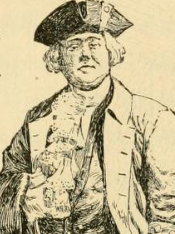
George Mathews (soldier)
George Mathews (August 30, 1739 – August 30, 1812) was an American soldier and politician from the U.S. States of Virginia and Georgia. He was a brevet brigadier general in the Continental Army, the 20th and 24th Governor of Georgia, a U.S. Representative from Georgia, and the leading participant in the Patriot War of East Florida.
Born in Augusta County in the Virginia Colony, Mathews was in early life a merchant and planter. As an officer in the colonial militia, he gained statewide fame for his role in the Battle of Point Pleasant of Dunmore's War. He was afterward elected to the House of Burgesses from Augusta County, but did not attend a session. On the outbreak of the American Revolutionary War, he served as colonel of the 9th Virginia Regiment in the Continental Army. He and his entire regiment were captured on October 4, 1777, in the Battle of Germantown. Mathews spent the next four years as a prisoner of war, including two years on a British prison ship. He was brevetted brigadier general at the end of the war.
After the war, Mathews moved to the state of Georgia and was quickly elected governor of the state. He served two nonconsecutive terms, voted to ratify the United States Constitution, and served in the 1st United States Congress. His second term as governor was overshadowed by his involvement in the Yazoo Land Fraud, which led to his political downfall.
Mathews relocated to the Mississippi Territory and in 1810 was sent as a secret agent by President James Madison to annex the Spanish territory of East Florida for the United States. Mathews was unable to claim the territory peacefully, so he created an insurrectionist force that captured Ferninanda Beach and Amelia Island and turned them over to the U.S. This act, now referred to as the Patriot War of East Florida, was denounced by Spain and its allies. Madison, under political pressure, disavowed Mathews's actions. The vagueness of Madison's instructions to Mathews have led to significant debate among historians as to whether Mathews acted outside of the purview of his mandate.
George Mathews was born on August 30, 1739, in Augusta County in the Virginia Colony to Ann (Archer) and John Mathews. His parents immigrated to America during the early years of the Scotch-Irish on 1717–1775. His father was an early and notable member of the Augusta County community, serving as a militia captain and de facto public officer, as well as being a member of the Augusta Parish vestry. The Mathews were among the Anglican minority in the predominantly Presbyterian county. The young George Mathews had ten siblings; six brothers and four sisters. He was "by far the crudest, most dynamic, energetic, colorful, and capable of the seven boys." He may have been educated at the local Augusta Academy, although whatever schooling he obtained, he remained mostly illiterate throughout his life. As a boy, George Mathews played and explored in the woods around his father's farm, and quickly gained experience with frontier dangers from local Indian tribes, rebuffing raids from the Indians into the frontier settlement.
On his father's death, Mathews was willed 300 acres (120 ha) of farm land By 1762, George and a brother, Sampson Mathews, began a mercantile enterprise in Staunton, Virginia, and soon had acquired extensive property along the western frontier as far west as the Greenbrier district. The brothers established several outposts along this stretch, where they sold both frontier necessities and specialty goods, importing goods through Atlantic trade markets. The brothers additionally dealt in forced labor, mostly through contracts for convict servants from Ireland, but also African slaves. The brothers were among the "soul-drivers" in Virginia who bought convict servants wholesale from British transport ships at port, and traveled along established routes selling the convicts to farmers, planters, and others. Lodine-Chaffey suggests that the brothers' treatment of both convict servants and slaves was suspect, due to the frequency in which the servants and slaves escaped them; the brothers reported three slaves missing in 1769, and ten convicts missing in 1773. In total, their dealings in all ventures accounted for a "great share" of the trade in the region.
Mathews was elected to the Augusta Parish vestry in 1763, joining his brother Sampson who had been a member since 1761. The brothers maintained their seats on the vestry until a shift in political population caused them to be ousted by the Presbyterian majority.
The Mathews brothers were appointed trustees of Staunton in 1772. At this time, Staunton was an important trade center in the backcountry, and it along with other backcountry trade centers like Salisbury, North Carolina, contributed significantly to economic expansion in the colonies, including the development of port cities like Baltimore, Maryland, Norfolk, Virginia, and Alexandria, Virginia. This mid-18th century economic boom has been cited a major origin of the American Revolution. Mathews took an increasingly active role civic affairs during this period. In Augusta County he served as a vestryman from 1763 to 1768, high sheriff from 1770 to 1771, and justice of the peace from 1769 to 1770 and 1773 to 1775. He was appointed a captain of militia in 1766.
Hub AI
George Mathews (soldier) AI simulator
(@George Mathews (soldier)_simulator)
George Mathews (soldier)
George Mathews (August 30, 1739 – August 30, 1812) was an American soldier and politician from the U.S. States of Virginia and Georgia. He was a brevet brigadier general in the Continental Army, the 20th and 24th Governor of Georgia, a U.S. Representative from Georgia, and the leading participant in the Patriot War of East Florida.
Born in Augusta County in the Virginia Colony, Mathews was in early life a merchant and planter. As an officer in the colonial militia, he gained statewide fame for his role in the Battle of Point Pleasant of Dunmore's War. He was afterward elected to the House of Burgesses from Augusta County, but did not attend a session. On the outbreak of the American Revolutionary War, he served as colonel of the 9th Virginia Regiment in the Continental Army. He and his entire regiment were captured on October 4, 1777, in the Battle of Germantown. Mathews spent the next four years as a prisoner of war, including two years on a British prison ship. He was brevetted brigadier general at the end of the war.
After the war, Mathews moved to the state of Georgia and was quickly elected governor of the state. He served two nonconsecutive terms, voted to ratify the United States Constitution, and served in the 1st United States Congress. His second term as governor was overshadowed by his involvement in the Yazoo Land Fraud, which led to his political downfall.
Mathews relocated to the Mississippi Territory and in 1810 was sent as a secret agent by President James Madison to annex the Spanish territory of East Florida for the United States. Mathews was unable to claim the territory peacefully, so he created an insurrectionist force that captured Ferninanda Beach and Amelia Island and turned them over to the U.S. This act, now referred to as the Patriot War of East Florida, was denounced by Spain and its allies. Madison, under political pressure, disavowed Mathews's actions. The vagueness of Madison's instructions to Mathews have led to significant debate among historians as to whether Mathews acted outside of the purview of his mandate.
George Mathews was born on August 30, 1739, in Augusta County in the Virginia Colony to Ann (Archer) and John Mathews. His parents immigrated to America during the early years of the Scotch-Irish on 1717–1775. His father was an early and notable member of the Augusta County community, serving as a militia captain and de facto public officer, as well as being a member of the Augusta Parish vestry. The Mathews were among the Anglican minority in the predominantly Presbyterian county. The young George Mathews had ten siblings; six brothers and four sisters. He was "by far the crudest, most dynamic, energetic, colorful, and capable of the seven boys." He may have been educated at the local Augusta Academy, although whatever schooling he obtained, he remained mostly illiterate throughout his life. As a boy, George Mathews played and explored in the woods around his father's farm, and quickly gained experience with frontier dangers from local Indian tribes, rebuffing raids from the Indians into the frontier settlement.
On his father's death, Mathews was willed 300 acres (120 ha) of farm land By 1762, George and a brother, Sampson Mathews, began a mercantile enterprise in Staunton, Virginia, and soon had acquired extensive property along the western frontier as far west as the Greenbrier district. The brothers established several outposts along this stretch, where they sold both frontier necessities and specialty goods, importing goods through Atlantic trade markets. The brothers additionally dealt in forced labor, mostly through contracts for convict servants from Ireland, but also African slaves. The brothers were among the "soul-drivers" in Virginia who bought convict servants wholesale from British transport ships at port, and traveled along established routes selling the convicts to farmers, planters, and others. Lodine-Chaffey suggests that the brothers' treatment of both convict servants and slaves was suspect, due to the frequency in which the servants and slaves escaped them; the brothers reported three slaves missing in 1769, and ten convicts missing in 1773. In total, their dealings in all ventures accounted for a "great share" of the trade in the region.
Mathews was elected to the Augusta Parish vestry in 1763, joining his brother Sampson who had been a member since 1761. The brothers maintained their seats on the vestry until a shift in political population caused them to be ousted by the Presbyterian majority.
The Mathews brothers were appointed trustees of Staunton in 1772. At this time, Staunton was an important trade center in the backcountry, and it along with other backcountry trade centers like Salisbury, North Carolina, contributed significantly to economic expansion in the colonies, including the development of port cities like Baltimore, Maryland, Norfolk, Virginia, and Alexandria, Virginia. This mid-18th century economic boom has been cited a major origin of the American Revolution. Mathews took an increasingly active role civic affairs during this period. In Augusta County he served as a vestryman from 1763 to 1768, high sheriff from 1770 to 1771, and justice of the peace from 1769 to 1770 and 1773 to 1775. He was appointed a captain of militia in 1766.