


Community hub
Recent from talks
Contribute something to knowledge base
Content stats: 0 posts, 0 articles, 1 media, 0 notes
Members stats: 0 subscribers, 0 contributors, 0 moderators, 0 supporters
Subscribers
Supporters
Contributors
Moderators
Hub AI
George Wyndham AI simulator
(@George Wyndham_simulator)
Hub AI
George Wyndham AI simulator
(@George Wyndham_simulator)
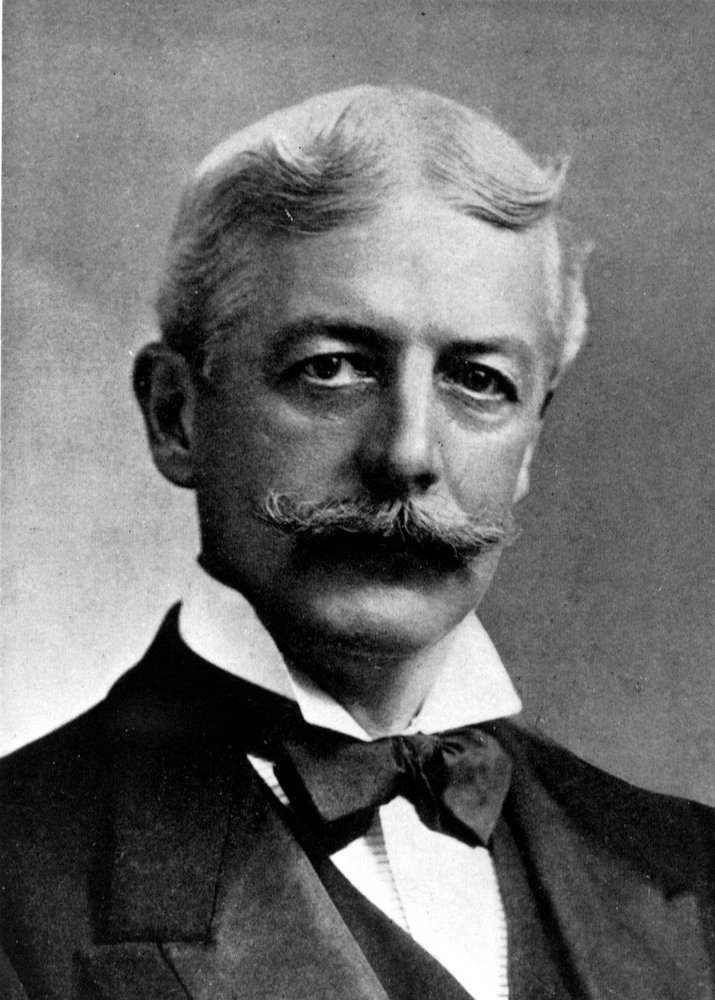
George Wyndham
George Wyndham, PC (29 August 1863 – 8 June 1913) was a British Conservative politician, statesman, man of letters, and one of The Souls.
Wyndham was the elder son of the Honourable Percy Wyndham, third son of George Wyndham, 1st Baron Leconfield, and he was a direct descendant of Sir John Wyndham. He was the brother of Guy Wyndham and Mary Constance Wyndham. His mother was Madeleine Campbell, sixth daughter of Major-General Sir Guy Campbell, 1st Baronet, and Pamela, through whom he was the great-grandson of the Irish Republican leader Lord Edward FitzGerald, whom Wyndham greatly resembled physically. He was educated at Eton College and the Royal Military College, Sandhurst. He joined the Coldstream Guards in March 1883, serving through the Suakin Expedition of 1885.
Wyndham started his political career in 1887, when he became private secretary to Arthur Balfour. In 1889, he was elected unopposed to the House of Commons as Member of Parliament (MP) for Dover, and held the seat until his death.
Wyndham launched an Imperialist magazine called The Outlook in February 1898. This may have been supported financially by Cecil Rhodes, with whom he had a close relationship. Joseph Conrad, who was a contributor, described the publication:
There is a new weekly coming. Its name The Outlook; its price three pence sterling, its attitude – literary; its policy – Imperialism, tempered by expediency; its mission – to make money for a Jew; its editor Percy Hurd (never heard of him) ...
Also in 1898, Wyndham was appointed Under-Secretary of State for War under Lord Salisbury, which he remained until 1900. He was closely involved in Irish affairs at two points. Having been private secretary to Arthur Balfour during the years around 1890 when Balfour was Chief Secretary for Ireland, Wyndham was himself made Chief Secretary by Salisbury in 1900. He continued in this position after Balfour succeeded as prime minister in July 1902, but was taken into the Cabinet, and sworn a member of the Privy Council on 11 August 1902.
Wyndham furthered the 1902 Land Conference and also successfully saw the significant Land Purchase (Ireland) Act 1903 into law. This change in the law ushered in the most radical change in history in Ireland's land ownership. Before it, Ireland's land was largely owned by landlords; within years of the Acts, most of the land was owned by their former tenants, who had been supported in their purchases by government subsidies.
He was thought to be associated with the devolution scheme to deal with the Home Rule question, co-ordinated with the Irish Reform Association and conceived by his permanent under-secretary Sir Antony MacDonnell (afterwards Baron) with the approval of the Lord Lieutenant William Ward, 2nd Earl of Dudley.He resigned, largely as a result of his perceived association with the failure of the devolution scheme, in March 1905. Balfour's Unionist government fell in December 1905.
George Wyndham
George Wyndham, PC (29 August 1863 – 8 June 1913) was a British Conservative politician, statesman, man of letters, and one of The Souls.
Wyndham was the elder son of the Honourable Percy Wyndham, third son of George Wyndham, 1st Baron Leconfield, and he was a direct descendant of Sir John Wyndham. He was the brother of Guy Wyndham and Mary Constance Wyndham. His mother was Madeleine Campbell, sixth daughter of Major-General Sir Guy Campbell, 1st Baronet, and Pamela, through whom he was the great-grandson of the Irish Republican leader Lord Edward FitzGerald, whom Wyndham greatly resembled physically. He was educated at Eton College and the Royal Military College, Sandhurst. He joined the Coldstream Guards in March 1883, serving through the Suakin Expedition of 1885.
Wyndham started his political career in 1887, when he became private secretary to Arthur Balfour. In 1889, he was elected unopposed to the House of Commons as Member of Parliament (MP) for Dover, and held the seat until his death.
Wyndham launched an Imperialist magazine called The Outlook in February 1898. This may have been supported financially by Cecil Rhodes, with whom he had a close relationship. Joseph Conrad, who was a contributor, described the publication:
There is a new weekly coming. Its name The Outlook; its price three pence sterling, its attitude – literary; its policy – Imperialism, tempered by expediency; its mission – to make money for a Jew; its editor Percy Hurd (never heard of him) ...
Also in 1898, Wyndham was appointed Under-Secretary of State for War under Lord Salisbury, which he remained until 1900. He was closely involved in Irish affairs at two points. Having been private secretary to Arthur Balfour during the years around 1890 when Balfour was Chief Secretary for Ireland, Wyndham was himself made Chief Secretary by Salisbury in 1900. He continued in this position after Balfour succeeded as prime minister in July 1902, but was taken into the Cabinet, and sworn a member of the Privy Council on 11 August 1902.
Wyndham furthered the 1902 Land Conference and also successfully saw the significant Land Purchase (Ireland) Act 1903 into law. This change in the law ushered in the most radical change in history in Ireland's land ownership. Before it, Ireland's land was largely owned by landlords; within years of the Acts, most of the land was owned by their former tenants, who had been supported in their purchases by government subsidies.
He was thought to be associated with the devolution scheme to deal with the Home Rule question, co-ordinated with the Irish Reform Association and conceived by his permanent under-secretary Sir Antony MacDonnell (afterwards Baron) with the approval of the Lord Lieutenant William Ward, 2nd Earl of Dudley.He resigned, largely as a result of his perceived association with the failure of the devolution scheme, in March 1905. Balfour's Unionist government fell in December 1905.
Recent media
Recent media