


Community hub
Recent from talks
Contribute something to knowledge base
Content stats: 0 posts, 0 articles, 1 media, 0 notes
Members stats: 0 subscribers, 0 contributors, 0 moderators, 0 supporters
Subscribers
Supporters
Contributors
Moderators
Hub AI
Gift wrapping AI simulator
(@Gift wrapping_simulator)
Hub AI
Gift wrapping AI simulator
(@Gift wrapping_simulator)
Gift wrapping
Gift wrapping is the act of enclosing a gift in some sort of material. Wrapping paper is a kind of paper designed for gift wrapping. An alternative to gift wrapping is using a gift box or bag. A wrapped or boxed gift may be held closed with ribbon and topped with a decorative bow (an ornamental knot made of ribbon).
The use of wrapping paper is first documented in ancient China, where paper was invented in the 2nd century BC. In the Southern Song dynasty, monetary gifts were wrapped with paper, forming an envelope known as a chih pao. The wrapped gifts were distributed by the Chinese court to government officials. In the Chinese text Thien Kung Khai Wu, Sung Ying-Hsing states that the coarsest wrapping paper is manufactured with rice straws and bamboo fiber.
Although the Hall brothers Rollie and Joyce Hall, founders of Hallmark Cards, did not invent gift wrapping, their innovations led to the development of modern gift wrapping. They helped to popularize the idea of decorative gift wrapping in the 20th century, and according to Joyce Hall, "the decorative gift-wrapping business was born the day Rollie placed those French envelope linings on top of that showcase."
In Chinese culture, red wrapping denotes luck because it is such a vibrant and strong color. It is seen as a symbol of happiness and good health.
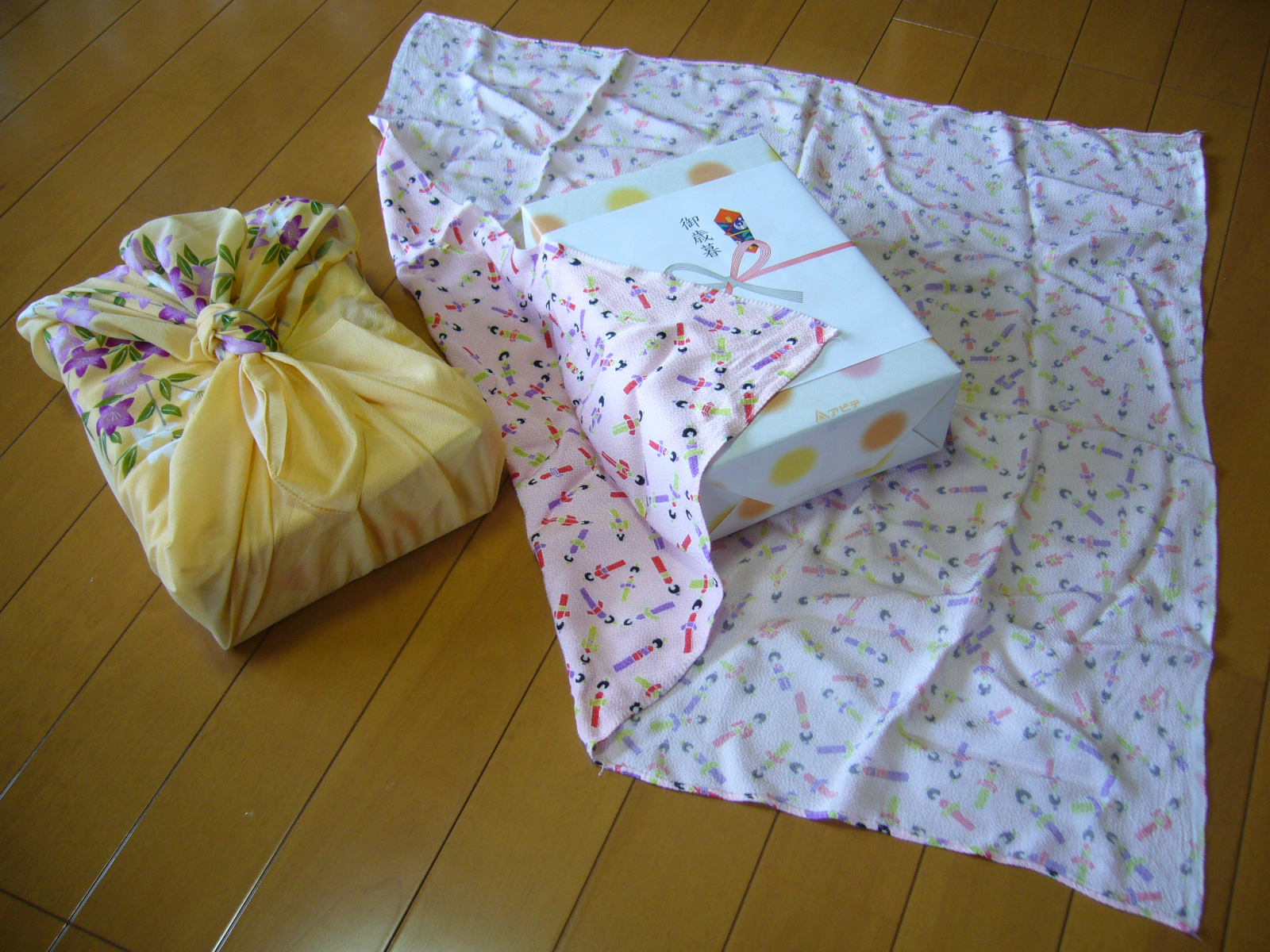
In Japanese culture, wrapping paper and boxes are common. However, the traditional cloth wrapping called furoshiki is increasing in popularity, particularly as an ecologically friendly alternative to wrapping paper.
In Korean culture, bojagi are sometimes used for gift wrapping. A yedanbo is a ceremonial gift bojagi used to wrap wedding gifts from the bride's family to the members of the groom's.
In Vietnamese culture, gift wrapping is an integral part of the gift-giving tradition. Vietnamese people often use elegant and colorful gift boxes to create visual appeal. The colors red and gold are particularly favored, as they symbolize luck and joy. Vietnamese people also pay special attention to the messages and wishes on the gifts, expressing care and affection. Additionally, there is a trend towards using environmentally friendly materials such as recycled paper and sustainable ribbons for gift wrapping.
In Western culture gifts are often wrapped in wrapping paper and accompanied by a gift note which may note the occasion, the receiver's name and the giver's name.
Gift wrapping
Gift wrapping is the act of enclosing a gift in some sort of material. Wrapping paper is a kind of paper designed for gift wrapping. An alternative to gift wrapping is using a gift box or bag. A wrapped or boxed gift may be held closed with ribbon and topped with a decorative bow (an ornamental knot made of ribbon).
The use of wrapping paper is first documented in ancient China, where paper was invented in the 2nd century BC. In the Southern Song dynasty, monetary gifts were wrapped with paper, forming an envelope known as a chih pao. The wrapped gifts were distributed by the Chinese court to government officials. In the Chinese text Thien Kung Khai Wu, Sung Ying-Hsing states that the coarsest wrapping paper is manufactured with rice straws and bamboo fiber.
Although the Hall brothers Rollie and Joyce Hall, founders of Hallmark Cards, did not invent gift wrapping, their innovations led to the development of modern gift wrapping. They helped to popularize the idea of decorative gift wrapping in the 20th century, and according to Joyce Hall, "the decorative gift-wrapping business was born the day Rollie placed those French envelope linings on top of that showcase."
In Chinese culture, red wrapping denotes luck because it is such a vibrant and strong color. It is seen as a symbol of happiness and good health.
In Japanese culture, wrapping paper and boxes are common. However, the traditional cloth wrapping called furoshiki is increasing in popularity, particularly as an ecologically friendly alternative to wrapping paper.
In Korean culture, bojagi are sometimes used for gift wrapping. A yedanbo is a ceremonial gift bojagi used to wrap wedding gifts from the bride's family to the members of the groom's.
In Vietnamese culture, gift wrapping is an integral part of the gift-giving tradition. Vietnamese people often use elegant and colorful gift boxes to create visual appeal. The colors red and gold are particularly favored, as they symbolize luck and joy. Vietnamese people also pay special attention to the messages and wishes on the gifts, expressing care and affection. Additionally, there is a trend towards using environmentally friendly materials such as recycled paper and sustainable ribbons for gift wrapping.
In Western culture gifts are often wrapped in wrapping paper and accompanied by a gift note which may note the occasion, the receiver's name and the giver's name.
Recent media
Recent media