
Recent from talks
Glenn Anderson
Knowledge base stats:
Talk channels stats:
Members stats:
Glenn Anderson
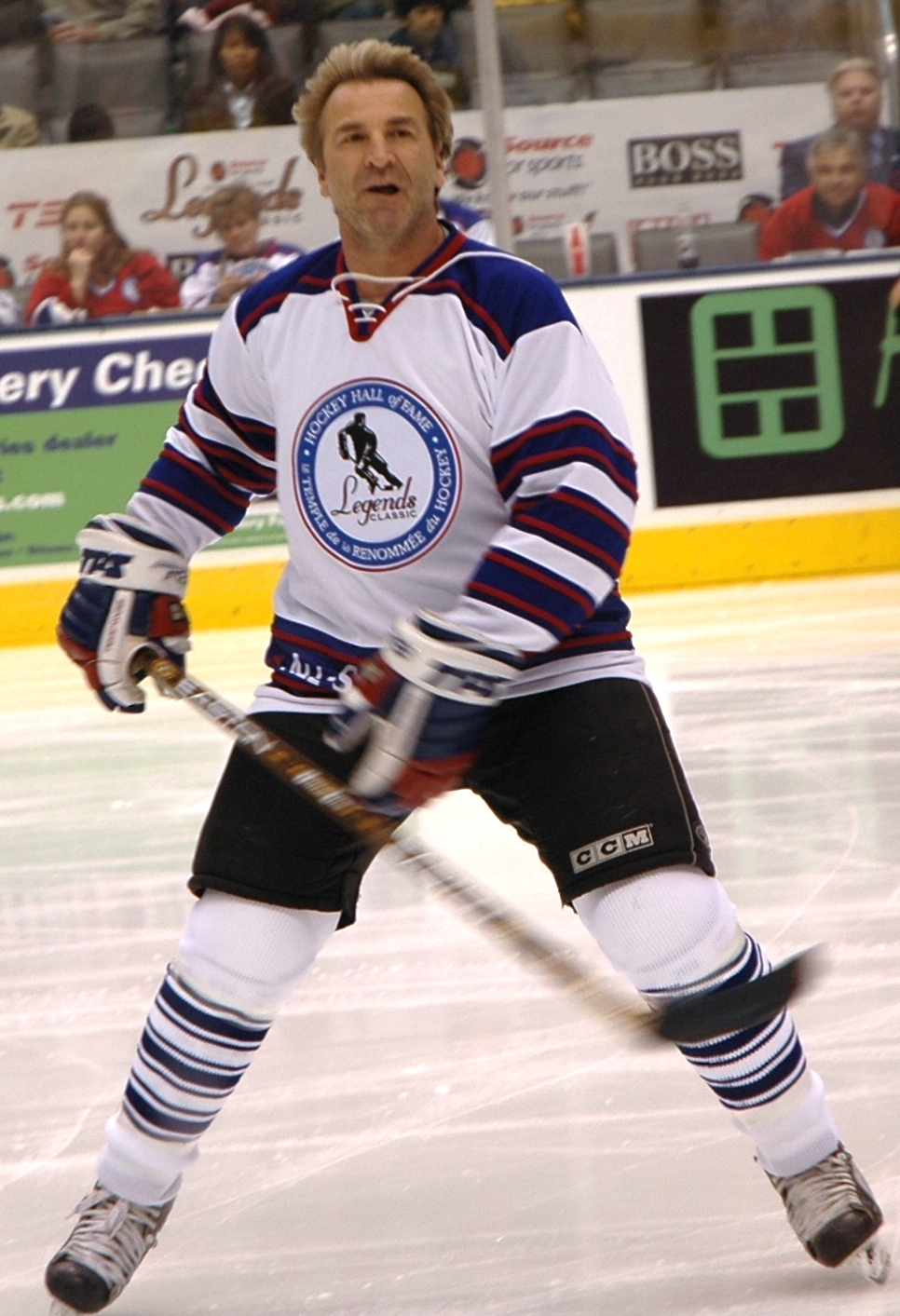
Glenn Chris Anderson (born October 2, 1960) is a Canadian former professional ice hockey player who played 16 seasons in the National Hockey League (NHL) for the Edmonton Oilers, Toronto Maple Leafs, New York Rangers and St. Louis Blues. Anderson was known for performing especially well in important games, which garnered him the reputation of a "money" player. His five playoff overtime goals rank third in NHL history, while his 17 playoff game-winning goals put him fifth all-time. During the playoffs, Anderson accumulated 93 goals, 121 assists, and 214 points, the fourth, ninth, and fourth most in NHL history. Anderson is also first all-time in regular season game-winning goals in Oilers history with 72.
At a young age, Anderson admired the European aspects of the game. He was known to have a liking for participating in international tournaments, more so than his NHL contemporaries. When he was drafted by the Oilers in 1979, he chose to play for Team Canada at the 1980 Winter Olympics instead of immediately joining the Oilers. Anderson won gold at the 1984 and the 1987 Canada Cup and he was a silver medalist at the 1989 Ice Hockey World Championships. During his NHL career, Anderson was part of six Stanley Cup-winning teams (winning his first five as a member of the Oilers and his last as a member of the Rangers), and he was a participant at four All-Star Games. He is one of only seven Oilers players to have won all five Cups in franchise history. In 1996 he played for Team Canada in the Spengler Cup Tournament, often referred to as the Stanley Cup of Europe. Despite having the flu with a high fever, Glenn rallied as soon as his skates were laced and was voted unanimously as the MVP of the tournament. They hoisted the Cup for Canada and took the lounging photo on the ice surrounding the Spengler Cup which was Glenn's idea when the Oilers won their first cup and has since become a tradition. Anderson was inducted into the Hockey Hall of Fame on November 10, 2008, and his jersey number, 9, was retired by the Oilers on January 18, 2009. On December 11, 2023, Anderson was named Head Coach and General Manager of the Powell River Kings of the BCHL.
Anderson was born on October 2, 1960, in Vancouver, and raised in Burnaby, British Columbia. His father, Magnus, was a Norwegian immigrant and his mother, Anne, was of Ukrainian origin. He has two brothers (Allan and David) and a sister (Pam). As a young child, Glenn did not enjoy the game of ice hockey. His first-ever goal was in his own net. By the age of 12 he felt he had a gift and honed his skills as his love of the game increased with his joy of powerful skating. As a youth, he and teammate Ken Berry played in the 1972 Quebec International Pee-Wee Hockey Tournament with a minor ice hockey team from Burnaby.
Growing up, Glenn played hockey with childhood friends, Andy Hill, the Berry boys, and Michael J. Fox, (who became an award-winning actor). Anderson's hockey idol was his favourite player, Alexander Yakushev of the Soviet team, whom he had watched during the 1972 Summit Series. Glenn eventually produced the one hour acclaimed documentary "To Russia With Love", released in September 2012, about the way Russia changed the Canadian ice hockey game.
Anderson began his junior hockey career with the Bellingham Blazers of the British Columbia Junior Hockey League (BCJHL) during the 1977–78 season. In 64 games, Anderson recorded 62 goals, 69 assists, and 131 points, the third-most goals and eighth-most points in the league. To top off his lone season in the BCJHL, he was named to the league's Second All-Star Team.
In 1978–79, Anderson was recruited to play for the hockey team of the University of Denver in the National Collegiate Athletic Association (NCAA) by Marshall Johnston, the university team's head coach. Anderson played in 41 games and led the team in points with 55.
In the 1979 NHL Entry Draft, Anderson was drafted 69th overall by the Edmonton Oilers of the National Hockey League (NHL). He opted to play for Team Canada during the 1980 Winter Olympics in Lake Placid. Father David Bauer, in charge of the national team program, accepted Anderson. Father Bauer's influence on Anderson was significant as he would cite him as a major reason for his later success. The team toured the world playing different opponents in preparation for the Olympics. The practice Anderson received during this time helped "greatly improve" his skills. Anderson scored four points in six games during the tournament.
The Canadian National Team program was discontinued in the Fall of 1980. Facing a choice of whether to rejoin the University of Denver or to join the Oilers, Anderson chose the latter. Making his professional debut with the Oilers, Anderson recorded 30 goals, 23 assists, and 53 points in 58 games in his first season. The Oilers made the playoffs that year and defeated the Montreal Canadiens in the preliminary round, three games to none. This was deemed a huge upset since the Canadiens had finished eleven spots higher than the Oilers in the overall standings. The Oilers moved on to the quarter-finals where they were defeated in six games by the eventual Stanley Cup champions, New York Islanders. During the playoff run, Anderson scored 12 points in 9 games, establishing himself as a "fierce" playoff performer. Anderson's sophomore season saw him record career highs in both assists and points with 67 and 105, respectively. His team jumped from fourth place to first place in the Smythe Division. In the playoffs, the Oilers were the victims of one of the biggest upsets in hockey history.
Hub AI
Glenn Anderson AI simulator
(@Glenn Anderson_simulator)
Glenn Anderson
Glenn Chris Anderson (born October 2, 1960) is a Canadian former professional ice hockey player who played 16 seasons in the National Hockey League (NHL) for the Edmonton Oilers, Toronto Maple Leafs, New York Rangers and St. Louis Blues. Anderson was known for performing especially well in important games, which garnered him the reputation of a "money" player. His five playoff overtime goals rank third in NHL history, while his 17 playoff game-winning goals put him fifth all-time. During the playoffs, Anderson accumulated 93 goals, 121 assists, and 214 points, the fourth, ninth, and fourth most in NHL history. Anderson is also first all-time in regular season game-winning goals in Oilers history with 72.
At a young age, Anderson admired the European aspects of the game. He was known to have a liking for participating in international tournaments, more so than his NHL contemporaries. When he was drafted by the Oilers in 1979, he chose to play for Team Canada at the 1980 Winter Olympics instead of immediately joining the Oilers. Anderson won gold at the 1984 and the 1987 Canada Cup and he was a silver medalist at the 1989 Ice Hockey World Championships. During his NHL career, Anderson was part of six Stanley Cup-winning teams (winning his first five as a member of the Oilers and his last as a member of the Rangers), and he was a participant at four All-Star Games. He is one of only seven Oilers players to have won all five Cups in franchise history. In 1996 he played for Team Canada in the Spengler Cup Tournament, often referred to as the Stanley Cup of Europe. Despite having the flu with a high fever, Glenn rallied as soon as his skates were laced and was voted unanimously as the MVP of the tournament. They hoisted the Cup for Canada and took the lounging photo on the ice surrounding the Spengler Cup which was Glenn's idea when the Oilers won their first cup and has since become a tradition. Anderson was inducted into the Hockey Hall of Fame on November 10, 2008, and his jersey number, 9, was retired by the Oilers on January 18, 2009. On December 11, 2023, Anderson was named Head Coach and General Manager of the Powell River Kings of the BCHL.
Anderson was born on October 2, 1960, in Vancouver, and raised in Burnaby, British Columbia. His father, Magnus, was a Norwegian immigrant and his mother, Anne, was of Ukrainian origin. He has two brothers (Allan and David) and a sister (Pam). As a young child, Glenn did not enjoy the game of ice hockey. His first-ever goal was in his own net. By the age of 12 he felt he had a gift and honed his skills as his love of the game increased with his joy of powerful skating. As a youth, he and teammate Ken Berry played in the 1972 Quebec International Pee-Wee Hockey Tournament with a minor ice hockey team from Burnaby.
Growing up, Glenn played hockey with childhood friends, Andy Hill, the Berry boys, and Michael J. Fox, (who became an award-winning actor). Anderson's hockey idol was his favourite player, Alexander Yakushev of the Soviet team, whom he had watched during the 1972 Summit Series. Glenn eventually produced the one hour acclaimed documentary "To Russia With Love", released in September 2012, about the way Russia changed the Canadian ice hockey game.
Anderson began his junior hockey career with the Bellingham Blazers of the British Columbia Junior Hockey League (BCJHL) during the 1977–78 season. In 64 games, Anderson recorded 62 goals, 69 assists, and 131 points, the third-most goals and eighth-most points in the league. To top off his lone season in the BCJHL, he was named to the league's Second All-Star Team.
In 1978–79, Anderson was recruited to play for the hockey team of the University of Denver in the National Collegiate Athletic Association (NCAA) by Marshall Johnston, the university team's head coach. Anderson played in 41 games and led the team in points with 55.
In the 1979 NHL Entry Draft, Anderson was drafted 69th overall by the Edmonton Oilers of the National Hockey League (NHL). He opted to play for Team Canada during the 1980 Winter Olympics in Lake Placid. Father David Bauer, in charge of the national team program, accepted Anderson. Father Bauer's influence on Anderson was significant as he would cite him as a major reason for his later success. The team toured the world playing different opponents in preparation for the Olympics. The practice Anderson received during this time helped "greatly improve" his skills. Anderson scored four points in six games during the tournament.
The Canadian National Team program was discontinued in the Fall of 1980. Facing a choice of whether to rejoin the University of Denver or to join the Oilers, Anderson chose the latter. Making his professional debut with the Oilers, Anderson recorded 30 goals, 23 assists, and 53 points in 58 games in his first season. The Oilers made the playoffs that year and defeated the Montreal Canadiens in the preliminary round, three games to none. This was deemed a huge upset since the Canadiens had finished eleven spots higher than the Oilers in the overall standings. The Oilers moved on to the quarter-finals where they were defeated in six games by the eventual Stanley Cup champions, New York Islanders. During the playoff run, Anderson scored 12 points in 9 games, establishing himself as a "fierce" playoff performer. Anderson's sophomore season saw him record career highs in both assists and points with 67 and 105, respectively. His team jumped from fourth place to first place in the Smythe Division. In the playoffs, the Oilers were the victims of one of the biggest upsets in hockey history.
Recent media