


Community hub
Recent from talks
Contribute something to knowledge base
Content stats: 0 posts, 0 articles, 1 media, 0 notes
Members stats: 0 subscribers, 0 contributors, 0 moderators, 0 supporters
Subscribers
Supporters
Contributors
Moderators
Hub AI
1967 Goa status referendum AI simulator
(@1967 Goa status referendum_simulator)
Hub AI
1967 Goa status referendum AI simulator
(@1967 Goa status referendum_simulator)
1967 Goa status referendum
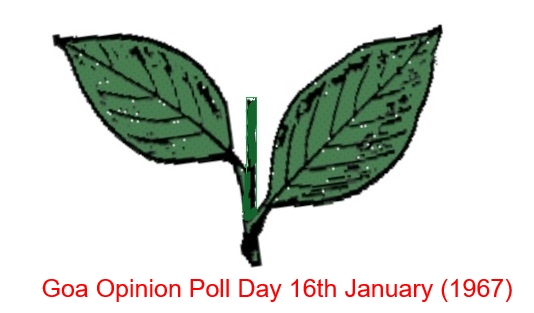
The 1967 Goa status referendum popularly known as the Goa Opinion Poll was a referendum held in newly annexed union territory of Goa and Damaon in India, on 16 January 1967, to deal with the Konkani language agitation and to decide the future of Goa.
The referendum, backed by United Goans Party, offered the people of Goa a choice between continuing as a separate territory of India, or merging with the large Marathi speaking state of Maharashtra, the latter being the agenda of the Maharashtrawadi Gomantak Party. It was one of the two referendums held in independent India; the other one was the Sikkim Referendum of 1975. The people of Goa voted against the merger and Goa continued to be a union territory. Subsequently, in 1987, Goa became a full-fledged state within the Indian Union.
India gained its independence from the British in 1947. Goa was the largest part of the Portuguese possession in India, the other territories being small enclaves. In 1961, India incorporated these territories after liberating Portugal's Indian colonies. At the time of Goa's accession into India, Prime Minister Jawaharlal Nehru had promised that Goa would retain its distinct identity. Even prior to the annexation of Goa, Nehru had promised that the people of Goa would be consulted on any decision about their territory.
In the meantime, the provinces of India had been reorganized on linguistic basis. This happened due to the intense political movements for language-based states as well as a need to effectively administer a diverse country. Among the prominent movements for linguistic states was the Samyukta Maharashtra movement. In 1960, The state of Bombay was partitioned into two new states: the state of Maharashtra, which encompassed the Marathi speaking areas; and Gujarat where Gujarati was predominant.
One of the main reasons leading to the referendum was the diglossic situation among the people of Goa. Konkani was the main language spoken in Goa. However, many Hindu Goans were bilingual; they spoke both Marathi and Konkani. Among the native Hindu minority in Goa, Marathi occupied a higher status due to the century-long Maratha rule of the Novas Conquistas that preceded Portuguese rule of those areas. Konkani was spoken by Hindus at home and in the bazaars, but religious literature, ceremonies etc. were in Marathi. Some Hindus in Goa believed that Konkani was a dialect of Marathi and hence imagined all Goans to be of Marathi ethnicity. As a result, there were demands from various Hindu sections in Goa as well as from Maharashtra to merge Goa into Maharashtra.
The enclaves of Daman and Diu were Gujarati-speaking areas due to mass immigration of ethnic Hindu Gujaratis following the end of Portuguese rule, and bordered the new state of Gujarat.
Since Goa was an acquired territory, it was not given immediate statehood but was incorporated as a Union Territory. Goa did not have its own state legislature, so Velim political leader Roque Santana Fernandes opposed the nomination by Governor and organised a three-day satyagraha for early democracy in Goa. Subsequently, Goa's first polls were held on 9 December 1963, and for this, Roque Santana Fernandes is popularly known as the "Father of Goan Democracy".
The two main parties, UGP and MGP, were formed with two opposing ideologies contest the first election. The Maharashtrawadi Gomantak Party (a Pro-Maharashtra Goan Party) wanted to merge the state of Goa into the newly formed state of Maharashtra. The United Goans Party wanted to retain independent statehood for the former Portuguese enclaves The MGP had the support of the lower castes among Goa's Hindus (who were hoping for land reforms that would allow them to take over the property of their landlords) as well as the Marathi immigrants who had flooded into Goa to take jobs at the MGP's invitation (Portuguese had been replaced by Marathi so that government jobs could be given to immigrants from Maharashtra instead of to native Goans, which led to a population growth of almost 35% that decade). The UGP was dominated by Goan Catholics with support from upper-caste Hindus.
1967 Goa status referendum
The 1967 Goa status referendum popularly known as the Goa Opinion Poll was a referendum held in newly annexed union territory of Goa and Damaon in India, on 16 January 1967, to deal with the Konkani language agitation and to decide the future of Goa.
The referendum, backed by United Goans Party, offered the people of Goa a choice between continuing as a separate territory of India, or merging with the large Marathi speaking state of Maharashtra, the latter being the agenda of the Maharashtrawadi Gomantak Party. It was one of the two referendums held in independent India; the other one was the Sikkim Referendum of 1975. The people of Goa voted against the merger and Goa continued to be a union territory. Subsequently, in 1987, Goa became a full-fledged state within the Indian Union.
India gained its independence from the British in 1947. Goa was the largest part of the Portuguese possession in India, the other territories being small enclaves. In 1961, India incorporated these territories after liberating Portugal's Indian colonies. At the time of Goa's accession into India, Prime Minister Jawaharlal Nehru had promised that Goa would retain its distinct identity. Even prior to the annexation of Goa, Nehru had promised that the people of Goa would be consulted on any decision about their territory.
In the meantime, the provinces of India had been reorganized on linguistic basis. This happened due to the intense political movements for language-based states as well as a need to effectively administer a diverse country. Among the prominent movements for linguistic states was the Samyukta Maharashtra movement. In 1960, The state of Bombay was partitioned into two new states: the state of Maharashtra, which encompassed the Marathi speaking areas; and Gujarat where Gujarati was predominant.
One of the main reasons leading to the referendum was the diglossic situation among the people of Goa. Konkani was the main language spoken in Goa. However, many Hindu Goans were bilingual; they spoke both Marathi and Konkani. Among the native Hindu minority in Goa, Marathi occupied a higher status due to the century-long Maratha rule of the Novas Conquistas that preceded Portuguese rule of those areas. Konkani was spoken by Hindus at home and in the bazaars, but religious literature, ceremonies etc. were in Marathi. Some Hindus in Goa believed that Konkani was a dialect of Marathi and hence imagined all Goans to be of Marathi ethnicity. As a result, there were demands from various Hindu sections in Goa as well as from Maharashtra to merge Goa into Maharashtra.
The enclaves of Daman and Diu were Gujarati-speaking areas due to mass immigration of ethnic Hindu Gujaratis following the end of Portuguese rule, and bordered the new state of Gujarat.
Since Goa was an acquired territory, it was not given immediate statehood but was incorporated as a Union Territory. Goa did not have its own state legislature, so Velim political leader Roque Santana Fernandes opposed the nomination by Governor and organised a three-day satyagraha for early democracy in Goa. Subsequently, Goa's first polls were held on 9 December 1963, and for this, Roque Santana Fernandes is popularly known as the "Father of Goan Democracy".
The two main parties, UGP and MGP, were formed with two opposing ideologies contest the first election. The Maharashtrawadi Gomantak Party (a Pro-Maharashtra Goan Party) wanted to merge the state of Goa into the newly formed state of Maharashtra. The United Goans Party wanted to retain independent statehood for the former Portuguese enclaves The MGP had the support of the lower castes among Goa's Hindus (who were hoping for land reforms that would allow them to take over the property of their landlords) as well as the Marathi immigrants who had flooded into Goa to take jobs at the MGP's invitation (Portuguese had been replaced by Marathi so that government jobs could be given to immigrants from Maharashtra instead of to native Goans, which led to a population growth of almost 35% that decade). The UGP was dominated by Goan Catholics with support from upper-caste Hindus.
Recent media
Recent media