


Community hub
Recent from talks
Contribute something to knowledge base
Content stats: 0 posts, 0 articles, 1 media, 0 notes
Members stats: 0 subscribers, 0 contributors, 0 moderators, 0 supporters
Subscribers
Supporters
Contributors
Moderators
Hub AI
Godfrey Higgins AI simulator
(@Godfrey Higgins_simulator)
Hub AI
Godfrey Higgins AI simulator
(@Godfrey Higgins_simulator)
Godfrey Higgins
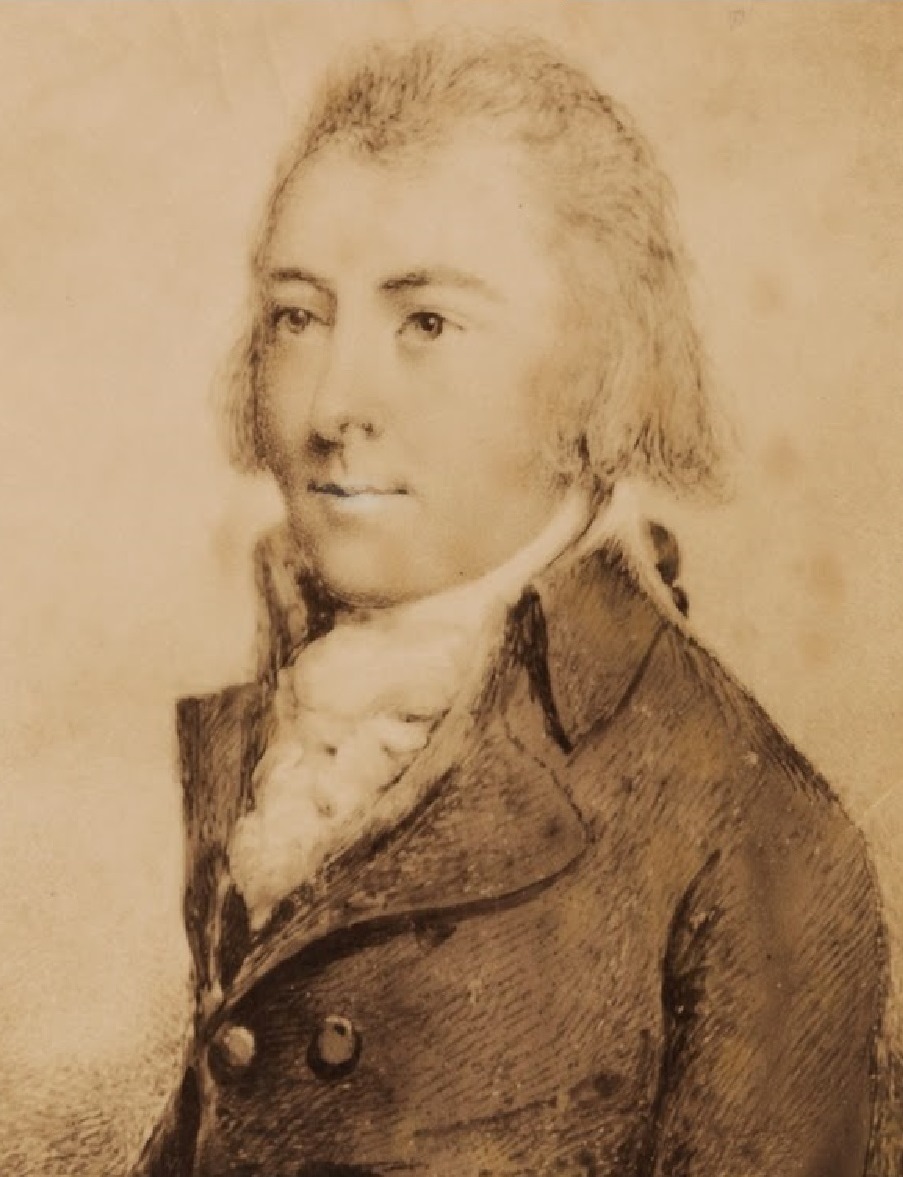
Godfrey Higgins (30 January 1772 in Owston, Yorkshire – 9 August 1833 in Cambridge) was an English magistrate and landowner, a prominent advocate for social reform, historian, and antiquarian. He wrote concerning ancient myths. His book Anacalypsis, was published posthumously, in which he asserts a commonality among various religious myths, which he traces back to the supposed lost religion of Atlantis. He has been termed a "political radical, reforming county magistrate and idiosyncratic historian of religions".
Higgins was the son of Godfrey Higgins of Skellow Grange, near Doncaster. He was educated in Hemsworth before being admitted to Emmanuel College, Cambridge in 1790, and transferring to Trinity Hall in 1791. He later studied law at the Inner Temple, but was not granted a license to practice law, and refrained from practice. When Napoleon threatened an invasion of the United Kingdom, Higgins joined the Volunteer Corps and became a Captain of the Third West York Militia. In 1800 he married Jane Thorpe, who gave birth to his son, also named Godfrey, and two daughters, Jane and Charlotte. After Higgins' promotion to the rank of major in 1808, he resigned from the Volunteer Corps citing a severe fever as reason. Soon thereafter he was appointed as magistrate or justice of the peace in Yorkshire.
Higgins' work as a magistrate featured reformist campaigns, as part of which he "courageously exposed the scandalous treatment of pauper lunatics and campaigned for Parliamentary Reform, criticizing excessive taxation, the Corn Laws, and the exploitation of children in factories". He was also favoured disestablishing the Church of Ireland. In 1814 he had a major role in uncovering the abuse of patients at the York Lunatic Asylum after rumours of serious misconduct had come to his attention. He joined Quaker William Tuke in agitating for reform. In a surprise visit he forced staff to open doors which revealed female patients kept in "a number of secret cells in a state of filth, horrible beyond description...the most miserable objects I ever beheld." Most of the staff were dismissed and Higgins was able to secure a government enquiry into the management of the asylum, at which he gave evidence. Higgins was appointed as a Governor of the Asylum. He proceeded to investigate a suspicious fire that had destroyed many of the asylum's records, concluding that it was unlikely to have started by accident.
He developed a regimen to study the meaning of life and religion, and wrote:
I came to a resolution to devote six hours a day to this pursuit for ten years. Instead of six hours daily for ten years, I believe I have, upon the average, applied myself to it for nearly ten hours daily for almost twenty years. In the first ten years of my search I may fairly say, I found nothing which I sought for; in the latter part of the twenty, the quantity of matter has so crowded in upon me, that I scarcely know how to dispose of it.
A keen antiquarian, Higgins was a Fellow of the Society of Antiquaries. According to Ross Nichols, Higgins was also a "Chosen Chief" of the Order of Druids, founded by John Toland in 1717. Higgins was claimed a member of An Uileach Druidh Braithreaches (The Druid Order), an ancient Druid order that predates the Hermetic Order of the Golden Dawn; however, these claims are unsubstantiated. Regardless, Higgins demonstrated extensive knowledge and familiarity with the traditions of Druid orders in his work, The Celtic Druids.
Higgins' wife died on 18 May 1822. Higgins' own death, on 9 August 1833, resulted from an illness which he suffered while attending a meeting of The British Association for the Advancement of Science at Cambridge.
Higgins' main writings were part of the syncretism of the day, which was an attempt to associate Biblical narratives to evidence emerging about other religious traditions. Higgins discussed, and argued with, other authors of this tradition such as Jacob Bryant, Roger O'Connor and William Jones. Higgins' own writings, especially Anacalypsis, were later to have a major influence on the development of Theosophy, through the publications of Helena Blavatsky.
Godfrey Higgins
Godfrey Higgins (30 January 1772 in Owston, Yorkshire – 9 August 1833 in Cambridge) was an English magistrate and landowner, a prominent advocate for social reform, historian, and antiquarian. He wrote concerning ancient myths. His book Anacalypsis, was published posthumously, in which he asserts a commonality among various religious myths, which he traces back to the supposed lost religion of Atlantis. He has been termed a "political radical, reforming county magistrate and idiosyncratic historian of religions".
Higgins was the son of Godfrey Higgins of Skellow Grange, near Doncaster. He was educated in Hemsworth before being admitted to Emmanuel College, Cambridge in 1790, and transferring to Trinity Hall in 1791. He later studied law at the Inner Temple, but was not granted a license to practice law, and refrained from practice. When Napoleon threatened an invasion of the United Kingdom, Higgins joined the Volunteer Corps and became a Captain of the Third West York Militia. In 1800 he married Jane Thorpe, who gave birth to his son, also named Godfrey, and two daughters, Jane and Charlotte. After Higgins' promotion to the rank of major in 1808, he resigned from the Volunteer Corps citing a severe fever as reason. Soon thereafter he was appointed as magistrate or justice of the peace in Yorkshire.
Higgins' work as a magistrate featured reformist campaigns, as part of which he "courageously exposed the scandalous treatment of pauper lunatics and campaigned for Parliamentary Reform, criticizing excessive taxation, the Corn Laws, and the exploitation of children in factories". He was also favoured disestablishing the Church of Ireland. In 1814 he had a major role in uncovering the abuse of patients at the York Lunatic Asylum after rumours of serious misconduct had come to his attention. He joined Quaker William Tuke in agitating for reform. In a surprise visit he forced staff to open doors which revealed female patients kept in "a number of secret cells in a state of filth, horrible beyond description...the most miserable objects I ever beheld." Most of the staff were dismissed and Higgins was able to secure a government enquiry into the management of the asylum, at which he gave evidence. Higgins was appointed as a Governor of the Asylum. He proceeded to investigate a suspicious fire that had destroyed many of the asylum's records, concluding that it was unlikely to have started by accident.
He developed a regimen to study the meaning of life and religion, and wrote:
I came to a resolution to devote six hours a day to this pursuit for ten years. Instead of six hours daily for ten years, I believe I have, upon the average, applied myself to it for nearly ten hours daily for almost twenty years. In the first ten years of my search I may fairly say, I found nothing which I sought for; in the latter part of the twenty, the quantity of matter has so crowded in upon me, that I scarcely know how to dispose of it.
A keen antiquarian, Higgins was a Fellow of the Society of Antiquaries. According to Ross Nichols, Higgins was also a "Chosen Chief" of the Order of Druids, founded by John Toland in 1717. Higgins was claimed a member of An Uileach Druidh Braithreaches (The Druid Order), an ancient Druid order that predates the Hermetic Order of the Golden Dawn; however, these claims are unsubstantiated. Regardless, Higgins demonstrated extensive knowledge and familiarity with the traditions of Druid orders in his work, The Celtic Druids.
Higgins' wife died on 18 May 1822. Higgins' own death, on 9 August 1833, resulted from an illness which he suffered while attending a meeting of The British Association for the Advancement of Science at Cambridge.
Higgins' main writings were part of the syncretism of the day, which was an attempt to associate Biblical narratives to evidence emerging about other religious traditions. Higgins discussed, and argued with, other authors of this tradition such as Jacob Bryant, Roger O'Connor and William Jones. Higgins' own writings, especially Anacalypsis, were later to have a major influence on the development of Theosophy, through the publications of Helena Blavatsky.
Recent media
Recent media