
Recent from talks
Golden Frinks
Knowledge base stats:
Talk channels stats:
Members stats:
Golden Frinks
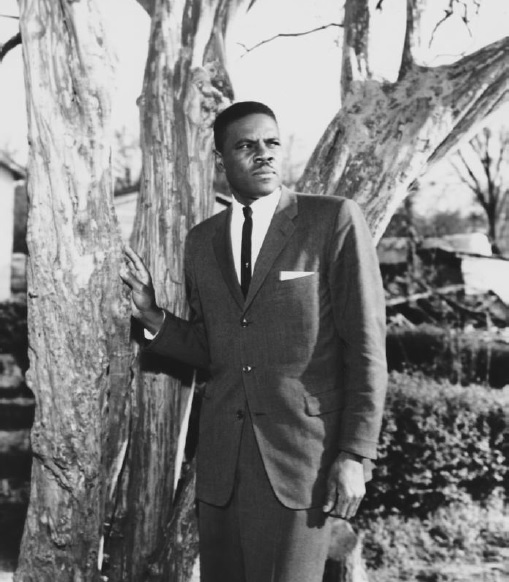
Golden Asro Frinks (August 15, 1920 – July 19, 2004) was an American civil rights activist and a Southern Christian Leadership Conference (SCLC) field secretary who represented the New Bern, North Carolina SCLC chapter. He is best known as a principal civil rights organizer in North Carolina during the 1960s.
Frinks was also a United States Army veteran who fought in World War II and worked at the U.S. naval base in Norfolk, Virginia. After his military career, he began promoting equality for African Americans through organized demonstrations. Frinks' involvement in the Civil Rights Movement brought early civil rights victories to North Carolina, and his willingness to engage in nonviolent, direct action served as a catalyst for civil rights movements in Edenton and nearby towns.
After becoming a field secretary of the SCLC, Frinks built a close relationship with Martin Luther King Jr. and often worked with the civil rights leader in organizing desegregation movements until King's death in 1968. Frinks' work as a field secretary and his direct actions against the Jim Crow Laws began a new era for the civil rights movement in North Carolina and the de-segregation of the South.
Golden Asro Frinks was born to Mark and Kizzie Frinks on August 15, 1920, in the small town of Wampee, South Carolina; he was the tenth of eleven children in the Frinks family. His name came from a profound "golden text" that Frinks' mother witnessed at Sunday services just before Frinks was born that afternoon.
At the age of nine, Frinks moved to Tabor City, North Carolina. This small town served as the primary location for Frinks' childhood. Frinks' father, Mark Frinks, worked as a millwright while mother, Kizzie Frinks, worked as a domestic helper for the town's mayor, J. L. Lewis. Not long after moving to Tabor City, Frinks' father died and Frinks' mother was left to take care of the large household. As a single parent, her strong will and determination made a lasting impact on Frinks during his childhood. She taught her children not to conform to society's status quo, but strive for the change they wanted. This influence later set the stage for Frinks' outlook on life and push him to fight for racial equality.
Another key person during Frinks' childhood was Fannie Lewis, the wife of the town mayor who Frinks' mother worked for. Having lost her son at an early age, Lewis took special interest in Frinks and viewed him as a surrogate son. Her relationship with Frinks brought him into the social sphere of the white community in Tabor City, exposing him to ideas and knowledge that black children rarely experience. During that time, the Jim Crow Laws, racial segregation laws that were enacted after the Reconstruction period which segregated public facilities in the former Confederate states, were widely observed in the South and strict racial segregation was enforced below the Mason–Dixon line. Having learned about the South's racial culture, attempts at desegregation, and the rise of prominent black leaders from Lewis, Frinks developed ideas of rebellion against the Jim Crow Laws and discrimination in the South at a young age.
At the age of sixteen, Frinks left Tabor City and enlisted in the United States Navy in Norfolk, Virginia. After a brief detour in the city of Edenton, North Carolina, Frinks arrived at Norfolk and secured a job at US naval base. It was at Norfolk where Frinks first learned about the National Association for the Advancement of Colored People (NAACP) through the politically active black community in the city.
Returning to Edenton in 1942, Frinks married Mildred Ruth Holley and they had a daughter, Goldie Frinks. Soon after, Frinks briefly served in the United States Army as a staff sergeant during World War II. After the war, Frinks moved to the District of Columbia in 1948 to seek new job opportunities. In Washington D.C. Frinks had his first encounter with civil rights activity. In January, 1953, while working at Waylie's Drug Store, Frinks saw his employer refuse to serve lunch to a group of black teens and was deeply bothered by the injustice he witnessed. The event prompted him to join a six-month-long picketing campaign on the drug store. For an hour a day, Frinks led the protest in front of the drug store and brought together other blacks to demand the desegregation of the store. Through his persistency, Frinks learned that continuous picketing and organized group protests deteriorated the strength of the Jim Crow Laws, resulting in the Supreme Court to rule on June 8, 1953, that "segregated eating facilities in Washington, D.C. were unconstitutional." While small in magnitude, the drug store sit-in gave Frinks a taste of civil rights victory and cemented his commitment to help fight segregation using the tactics he learned.
Hub AI
Golden Frinks AI simulator
(@Golden Frinks_simulator)
Golden Frinks
Golden Asro Frinks (August 15, 1920 – July 19, 2004) was an American civil rights activist and a Southern Christian Leadership Conference (SCLC) field secretary who represented the New Bern, North Carolina SCLC chapter. He is best known as a principal civil rights organizer in North Carolina during the 1960s.
Frinks was also a United States Army veteran who fought in World War II and worked at the U.S. naval base in Norfolk, Virginia. After his military career, he began promoting equality for African Americans through organized demonstrations. Frinks' involvement in the Civil Rights Movement brought early civil rights victories to North Carolina, and his willingness to engage in nonviolent, direct action served as a catalyst for civil rights movements in Edenton and nearby towns.
After becoming a field secretary of the SCLC, Frinks built a close relationship with Martin Luther King Jr. and often worked with the civil rights leader in organizing desegregation movements until King's death in 1968. Frinks' work as a field secretary and his direct actions against the Jim Crow Laws began a new era for the civil rights movement in North Carolina and the de-segregation of the South.
Golden Asro Frinks was born to Mark and Kizzie Frinks on August 15, 1920, in the small town of Wampee, South Carolina; he was the tenth of eleven children in the Frinks family. His name came from a profound "golden text" that Frinks' mother witnessed at Sunday services just before Frinks was born that afternoon.
At the age of nine, Frinks moved to Tabor City, North Carolina. This small town served as the primary location for Frinks' childhood. Frinks' father, Mark Frinks, worked as a millwright while mother, Kizzie Frinks, worked as a domestic helper for the town's mayor, J. L. Lewis. Not long after moving to Tabor City, Frinks' father died and Frinks' mother was left to take care of the large household. As a single parent, her strong will and determination made a lasting impact on Frinks during his childhood. She taught her children not to conform to society's status quo, but strive for the change they wanted. This influence later set the stage for Frinks' outlook on life and push him to fight for racial equality.
Another key person during Frinks' childhood was Fannie Lewis, the wife of the town mayor who Frinks' mother worked for. Having lost her son at an early age, Lewis took special interest in Frinks and viewed him as a surrogate son. Her relationship with Frinks brought him into the social sphere of the white community in Tabor City, exposing him to ideas and knowledge that black children rarely experience. During that time, the Jim Crow Laws, racial segregation laws that were enacted after the Reconstruction period which segregated public facilities in the former Confederate states, were widely observed in the South and strict racial segregation was enforced below the Mason–Dixon line. Having learned about the South's racial culture, attempts at desegregation, and the rise of prominent black leaders from Lewis, Frinks developed ideas of rebellion against the Jim Crow Laws and discrimination in the South at a young age.
At the age of sixteen, Frinks left Tabor City and enlisted in the United States Navy in Norfolk, Virginia. After a brief detour in the city of Edenton, North Carolina, Frinks arrived at Norfolk and secured a job at US naval base. It was at Norfolk where Frinks first learned about the National Association for the Advancement of Colored People (NAACP) through the politically active black community in the city.
Returning to Edenton in 1942, Frinks married Mildred Ruth Holley and they had a daughter, Goldie Frinks. Soon after, Frinks briefly served in the United States Army as a staff sergeant during World War II. After the war, Frinks moved to the District of Columbia in 1948 to seek new job opportunities. In Washington D.C. Frinks had his first encounter with civil rights activity. In January, 1953, while working at Waylie's Drug Store, Frinks saw his employer refuse to serve lunch to a group of black teens and was deeply bothered by the injustice he witnessed. The event prompted him to join a six-month-long picketing campaign on the drug store. For an hour a day, Frinks led the protest in front of the drug store and brought together other blacks to demand the desegregation of the store. Through his persistency, Frinks learned that continuous picketing and organized group protests deteriorated the strength of the Jim Crow Laws, resulting in the Supreme Court to rule on June 8, 1953, that "segregated eating facilities in Washington, D.C. were unconstitutional." While small in magnitude, the drug store sit-in gave Frinks a taste of civil rights victory and cemented his commitment to help fight segregation using the tactics he learned.
Recent media