
Recent from talks
Polly Farmer
Knowledge base stats:
Talk channels stats:
Members stats:
Polly Farmer
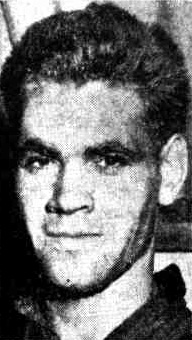
Graham Vivian "Polly" Farmer MBE (10 March 1935 – 14 August 2019) was an Australian rules footballer who played for the Geelong Football Club in the Victorian Football League (VFL) and the East Perth Football Club and West Perth Football Club in the Western Australian National Football League (WANFL).
Born in Western Australia and of indigenous heritage through his Noongar mother, Farmer is considered one of the greatest footballers in the game's history; when the Australian Football Hall of Fame was established in 1996, Farmer was among the 12 inaugural players given "legend" status. He is primarily recognised for the way he revolutionised ruckwork and handballing.
After retiring as a player, Farmer returned to Geelong to become the VFL's first coach of indigenous background, and he was also named coach of Western Australia's first State of Origin team.
The Graham Farmer Freeway in his hometown of Perth is named in his honour.
Farmer was born at the Hillcrest Maternity Home in North Fremantle to an unknown man and 25-year-old Noongar woman from Katanning named Eva. At the time of Farmer's birth, Australia was slowly recovering from the Great Depression, and Auber Neville was Western Australia's Chief Protector of Aborigines. In December 1936, Farmer was voluntarily placed in the care of Sister Kate's orphanage in Queens Park, Western Australia, a home for "half-caste" children. Farmer never found out why he had been put there, though it is presumed that Farmer's unmarried mother did not have the means to provide for him.
Nonetheless, Farmer was grateful to Sister Kate's for his upbringing: "If it had not been for Sister Kate's, I would have had an ice block's hope in hell of ever leading a normal life. I owe her and all her dedicated helpers everything – for giving me the chance to make something of myself. I was one of the lucky ones." A bout of poliomyelitis left Farmer with his left leg shorter than his right leg. According to Farmer, he was nicknamed "Polly the Parrot" as a six-year-old because people thought he chattered away like a parrot. At high school, Farmer was spotted by talent scouts for the East Perth Football Club and joined the team.
Farmer began his top-level career in the West Australian Football League (WAFL), known then as the West Australian National Football League (WANFL), with the East Perth Football Club in 1953. He played 176 games from 1953 to 1961 with East Perth. During this time he won the club's fairest and best award seven times and was a member of their 1956, 1958 and 1959 premiership teams. In 1956, he was awarded a Simpson Medal for his performance against South Australia at the Perth Carnival and later was also awarded the Tassie Medal for being judged best at the carnival overall. He was awarded the WANFL's highest individual honour, the Sandover Medal, in 1956 and 1960. He also tied for the medal in 1957 with East Fremantle's Jack Clarke but lost on a countback; he was awarded that medal in 1997 when the WAFL awarded retrospective medals for those who missed out on countbacks. In 1959, he was awarded the Simpson Medal for being best on ground in the grand final. He was awarded another Simpson Medal in 1961 for his game against Victoria at the Brisbane Carnival.
Farmer had clear ambitions to play football in Victoria, and had attracted interest from Victorian clubs; at the end of 1955 he was signed by the Richmond Football Club for £200 (as was not uncommon at the time), but the move was blocked by East Perth, and he remained in Perth for the next six years. He was later recruited by Bob Davis to the Geelong Football Club in 1962. In the opening moments of his debut for Geelong in 1962, Farmer severely injured a knee, causing ligament damage and missed the rest of the season. He returned in 1963, winning a premiership with Geelong and coming equal-second in the Brownlow Medal behind Bob Skilton. Farmer played 101 games for Geelong from 1962 to 1968, won the team's fairest and best award in 1963 and 1964 and captained the team from 1965 until 1967.
Hub AI
Polly Farmer AI simulator
(@Polly Farmer_simulator)
Polly Farmer
Graham Vivian "Polly" Farmer MBE (10 March 1935 – 14 August 2019) was an Australian rules footballer who played for the Geelong Football Club in the Victorian Football League (VFL) and the East Perth Football Club and West Perth Football Club in the Western Australian National Football League (WANFL).
Born in Western Australia and of indigenous heritage through his Noongar mother, Farmer is considered one of the greatest footballers in the game's history; when the Australian Football Hall of Fame was established in 1996, Farmer was among the 12 inaugural players given "legend" status. He is primarily recognised for the way he revolutionised ruckwork and handballing.
After retiring as a player, Farmer returned to Geelong to become the VFL's first coach of indigenous background, and he was also named coach of Western Australia's first State of Origin team.
The Graham Farmer Freeway in his hometown of Perth is named in his honour.
Farmer was born at the Hillcrest Maternity Home in North Fremantle to an unknown man and 25-year-old Noongar woman from Katanning named Eva. At the time of Farmer's birth, Australia was slowly recovering from the Great Depression, and Auber Neville was Western Australia's Chief Protector of Aborigines. In December 1936, Farmer was voluntarily placed in the care of Sister Kate's orphanage in Queens Park, Western Australia, a home for "half-caste" children. Farmer never found out why he had been put there, though it is presumed that Farmer's unmarried mother did not have the means to provide for him.
Nonetheless, Farmer was grateful to Sister Kate's for his upbringing: "If it had not been for Sister Kate's, I would have had an ice block's hope in hell of ever leading a normal life. I owe her and all her dedicated helpers everything – for giving me the chance to make something of myself. I was one of the lucky ones." A bout of poliomyelitis left Farmer with his left leg shorter than his right leg. According to Farmer, he was nicknamed "Polly the Parrot" as a six-year-old because people thought he chattered away like a parrot. At high school, Farmer was spotted by talent scouts for the East Perth Football Club and joined the team.
Farmer began his top-level career in the West Australian Football League (WAFL), known then as the West Australian National Football League (WANFL), with the East Perth Football Club in 1953. He played 176 games from 1953 to 1961 with East Perth. During this time he won the club's fairest and best award seven times and was a member of their 1956, 1958 and 1959 premiership teams. In 1956, he was awarded a Simpson Medal for his performance against South Australia at the Perth Carnival and later was also awarded the Tassie Medal for being judged best at the carnival overall. He was awarded the WANFL's highest individual honour, the Sandover Medal, in 1956 and 1960. He also tied for the medal in 1957 with East Fremantle's Jack Clarke but lost on a countback; he was awarded that medal in 1997 when the WAFL awarded retrospective medals for those who missed out on countbacks. In 1959, he was awarded the Simpson Medal for being best on ground in the grand final. He was awarded another Simpson Medal in 1961 for his game against Victoria at the Brisbane Carnival.
Farmer had clear ambitions to play football in Victoria, and had attracted interest from Victorian clubs; at the end of 1955 he was signed by the Richmond Football Club for £200 (as was not uncommon at the time), but the move was blocked by East Perth, and he remained in Perth for the next six years. He was later recruited by Bob Davis to the Geelong Football Club in 1962. In the opening moments of his debut for Geelong in 1962, Farmer severely injured a knee, causing ligament damage and missed the rest of the season. He returned in 1963, winning a premiership with Geelong and coming equal-second in the Brownlow Medal behind Bob Skilton. Farmer played 101 games for Geelong from 1962 to 1968, won the team's fairest and best award in 1963 and 1964 and captained the team from 1965 until 1967.
Recent media