
Recent from talks
Guido di Tella
Knowledge base stats:
Talk channels stats:
Members stats:
Guido di Tella
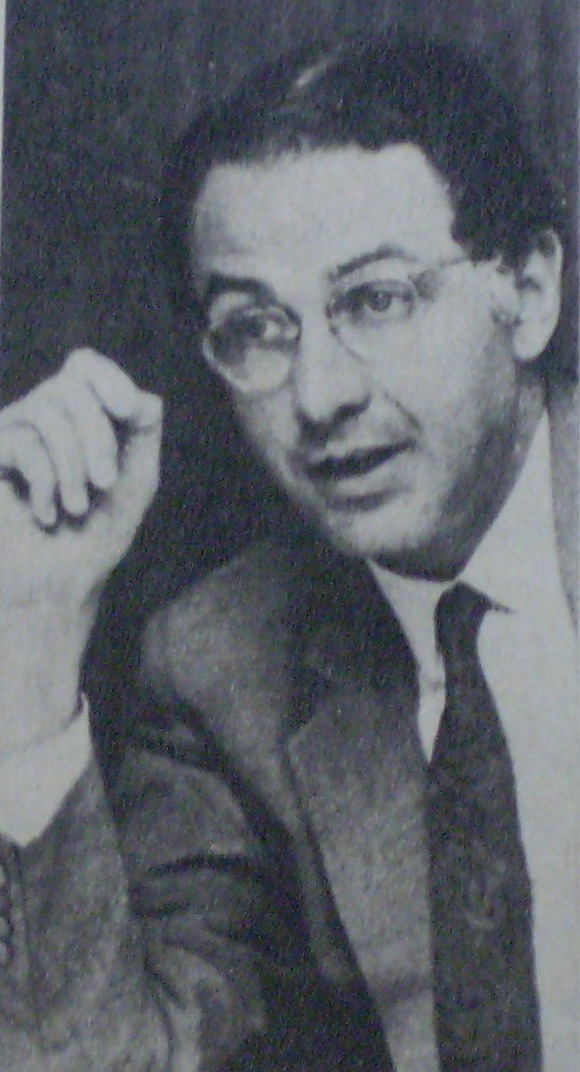
Guido di Tella (June 12, 1931 – December 31, 2001) was an Argentine businessman, academic and diplomat who served as minister of foreign affairs.
Guido José Mario di Tella was born in Buenos Aires in 1931. His father, Torcuato di Tella, was an Italian Argentine industrialist who founded Siam di Tella, a company that manufactured industrial machinery and household appliances.
Guido lost his father at age 17 and, following his father's wishes, studied engineering at the University of Buenos Aires with the aim of managing the family business, which employed around 5,000 people. He became involved in politics and co-founded the Christian Democratic Party of Argentina in 1954. After graduating in 1955, he pursued a PhD in economics at the Massachusetts Institute of Technology, completing it in 1959. He married Nelly Ruvira, and they had five children.
After returning to Argentina, he co-founded the Torcuato di Tella Institute with his brother Torcuato, establishing it as an educational and cultural foundation. By this time, Guido di Tella had become a supporter of Peronism, an uncommon stance among members of Argentina's upper class. He believed that overcoming class-based prejudice against the largely working-class Peronist movement was necessary for Argentina to become, in his words, a “serious country.” He taught at the University of Buenos Aires and the Catholic University of Argentina, and helped develop the Di Tella Institute into a major supporter of avant-garde art in Argentina during the 1960s. His continued support for Perón led to a brief expulsion from Argentina in the early 1970s. During this period, he was a visiting fellow at St Antony's College, Oxford.
Di Tella was part of Juan Perón's entourage during his brief visit to Argentina in November 1972, which was permitted in advance of the 1973 general elections. After Juan Perón's death in July 1974, his widow and successor, Isabel Perón, appointed Di Tella as deputy economy minister. He held the position until the military coup in March 1976. Following the coup, he spent several years in exile in Oxford, where he wrote a book about his experiences. Although he returned to Argentina in 1989, he maintained ties to Oxford, keeping a residence there and visiting annually.
Following Carlos Menem's election as president in 1989, Di Tella was appointed deputy economy minister under Miguel Roig. After Roig's death shortly thereafter, Di Tella became ambassador to the United States. A cabinet reshuffle in February 1991 led to his appointment as foreign minister, succeeding Domingo Cavallo, who became economy minister. By this time, Argentina had already begun restoring diplomatic ties with the United Kingdom and strengthening relations with the United States. Diplomatic relations with the UK were reestablished in February 1990, and Argentina had participated in the Gulf War.
However, Argentina also had a long tradition of voting against the U.S. at the United Nations, and for years was an active member of the Non-aligned Movement. Di Tella carried out Menem's realignment of Argentine foreign policy towards the "Washington Consensus," outlining a new U.S.-Argentine entente the Foreign Minister famously described as "carnal relations." Di Tella's efforts also led to a 1997 decision by U.S. President Bill Clinton to designate Argentina a major non-NATO ally.
He also worked to strengthen relations with the United Kingdom, and in November 1991 signed commercial cooperation agreements on the Exclusive Economic Zone around the Falkland Islands with British Foreign Secretary Douglas Hurd. His outreach efforts toward Falkland Islands residents, including personally signed annual postcards, had limited success. However, they contributed to a more favorable view of Argentina among some islanders, who saw him as the first Argentine politician to acknowledge that any resolution would require consultation with the island's population.
Hub AI
Guido di Tella AI simulator
(@Guido di Tella_simulator)
Guido di Tella
Guido di Tella (June 12, 1931 – December 31, 2001) was an Argentine businessman, academic and diplomat who served as minister of foreign affairs.
Guido José Mario di Tella was born in Buenos Aires in 1931. His father, Torcuato di Tella, was an Italian Argentine industrialist who founded Siam di Tella, a company that manufactured industrial machinery and household appliances.
Guido lost his father at age 17 and, following his father's wishes, studied engineering at the University of Buenos Aires with the aim of managing the family business, which employed around 5,000 people. He became involved in politics and co-founded the Christian Democratic Party of Argentina in 1954. After graduating in 1955, he pursued a PhD in economics at the Massachusetts Institute of Technology, completing it in 1959. He married Nelly Ruvira, and they had five children.
After returning to Argentina, he co-founded the Torcuato di Tella Institute with his brother Torcuato, establishing it as an educational and cultural foundation. By this time, Guido di Tella had become a supporter of Peronism, an uncommon stance among members of Argentina's upper class. He believed that overcoming class-based prejudice against the largely working-class Peronist movement was necessary for Argentina to become, in his words, a “serious country.” He taught at the University of Buenos Aires and the Catholic University of Argentina, and helped develop the Di Tella Institute into a major supporter of avant-garde art in Argentina during the 1960s. His continued support for Perón led to a brief expulsion from Argentina in the early 1970s. During this period, he was a visiting fellow at St Antony's College, Oxford.
Di Tella was part of Juan Perón's entourage during his brief visit to Argentina in November 1972, which was permitted in advance of the 1973 general elections. After Juan Perón's death in July 1974, his widow and successor, Isabel Perón, appointed Di Tella as deputy economy minister. He held the position until the military coup in March 1976. Following the coup, he spent several years in exile in Oxford, where he wrote a book about his experiences. Although he returned to Argentina in 1989, he maintained ties to Oxford, keeping a residence there and visiting annually.
Following Carlos Menem's election as president in 1989, Di Tella was appointed deputy economy minister under Miguel Roig. After Roig's death shortly thereafter, Di Tella became ambassador to the United States. A cabinet reshuffle in February 1991 led to his appointment as foreign minister, succeeding Domingo Cavallo, who became economy minister. By this time, Argentina had already begun restoring diplomatic ties with the United Kingdom and strengthening relations with the United States. Diplomatic relations with the UK were reestablished in February 1990, and Argentina had participated in the Gulf War.
However, Argentina also had a long tradition of voting against the U.S. at the United Nations, and for years was an active member of the Non-aligned Movement. Di Tella carried out Menem's realignment of Argentine foreign policy towards the "Washington Consensus," outlining a new U.S.-Argentine entente the Foreign Minister famously described as "carnal relations." Di Tella's efforts also led to a 1997 decision by U.S. President Bill Clinton to designate Argentina a major non-NATO ally.
He also worked to strengthen relations with the United Kingdom, and in November 1991 signed commercial cooperation agreements on the Exclusive Economic Zone around the Falkland Islands with British Foreign Secretary Douglas Hurd. His outreach efforts toward Falkland Islands residents, including personally signed annual postcards, had limited success. However, they contributed to a more favorable view of Argentina among some islanders, who saw him as the first Argentine politician to acknowledge that any resolution would require consultation with the island's population.
Recent media