



Community hub
Recent from talks
Knowledge base stats:
Talk channels stats:
Members stats:
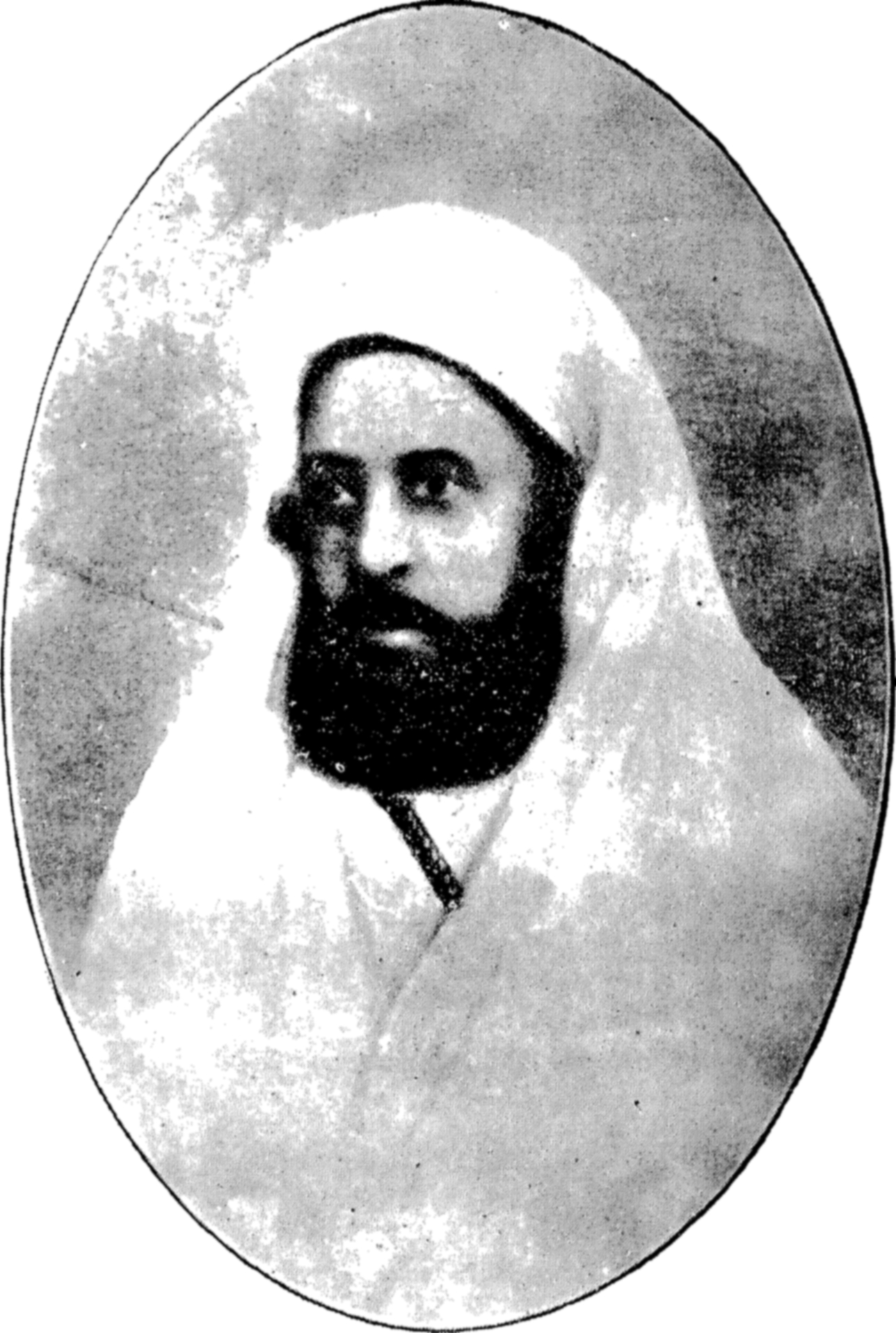
Hassan I of Morocco
Mawlay Hassan bin Mohammed (Arabic: الحسن بن محمد, romanized: al-Ḥasan bin Muḥammad), known as Hassan I (Arabic: الحسن الأول, romanized: al-Ḥasan al-Awwal; 1836 or 1857 – 9 June 1894) was the sultan of Morocco from 16 September 1873 to 9 June 1894, as a ruler of the 'Alawi dynasty. He was proclaimed sultan after the death of his father Muhammad IV. Mawlay Hassan was among the most successful sultans. He increased the power of the makhzen in Morocco and at a time when the rest of Africa was falling under foreign control, he brought in military and administrative reforms to strengthen his government within its complete territory, and he carried out an active military and diplomatic program on the periphery. He died on 9 June 1894 and was succeeded by his son Abd al-Aziz.
Hassan bin Mohammed was born in 1857 or 1836 to Mawlay Muhammad IV whom he was the favourite son of. At an early age, he was educated in the subtleties of court politics.
Mawlay Hassan was proclaimed sultan of Morocco on the death of his father in 1873. His first action was to crush an urban revolt in the capital Fes in 1874, which he had to besiege for a few months. The tanners rose up in protest "raging like lions and tigers" through the streets of Fes, pillaging the house of Muhammad Bennis, the Minister of Finance, turning Fes into a battleground. Hassan I, who was on campaign sent letters calling for the pacification of the city. Shortly after, the hated tax collectors were withdrawn, and the rebellion halted. The tax collectors soon reappeared, leading to the rebellion commencing again more violently. The local Fes militiamen took up positions in minarets of Fes al-Bali and fired down on the army, but the two sides later negotiated peace and the rebellion was definitely terminated. Of strong Arab culture, he did not know any foreign language, although Hassan I was a conservative ruler, he realised the need for modernization and the reform policy of his father.
He strived to maintain the cohesion of his kingdom through political, military, and religious action, in the face of European threats on its periphery, and internal rebellions, He initiated reforms. He strived to ensure the loyalty of the great chiefs of the south. He did not hesitate to appoint local qaids like Sheikh Ma al-'Aynayn who gave him the Bay'a, the pledge of allegiance in Islamic law. He tried to modernize his army, and lead several expeditions to assert his authority, such as to the Sous in 1882 and 1886, to the Rif in 1887, and to Tafilalt in 1893.
Sultan Hassan I managed to maintain the independence of Morocco while neighbouring states fell under European influence, such as Tunis which was conquered by France in 1881 and Egypt which was occupied by Britain in 1882.
Both Spain and France hoped for a weak Makhzen government of Morocco, while the British hoped for the opposite, a reformed Moroccan state which could stand on its own. Aware of this, Hassan called for an international conference on the issue, and the Treaty of Madrid was signed on 3 July 1880 to limit the practice, an important event of Hassan's reign. Instead of reducing foreign interference, the Makhzen had to grant concessions such as granting foreigners rights to own land in the countryside, something which Great Britain was pushing for all along. This was followed by French incursions into the region of Touat in the south, which was considered Moroccan territory. This treaty effectively gave international approval and protection for lands which had been captured by foreign powers. This set the stage for the French protectorate in Morocco beginning in 1912.
In 1879 and again in 1880, the British Legation in Morocco was informed by Moroccan authorities that the domains of the Hassan reached as far as the Senegal River and included the town of Timbuktu and neighboring portions of Sudan, a claim based on the fact that the predecessors of Hassan had always considered themselves as sovereigns of these regions. Since 1879, the British occupied Tarfaya and built a fortification there in 1882 known as Port Victoria. It was not until 1886 that the sultan sent a military expedition there, damaging the fort and forcing Donald MacKenzie to leave. The sultan's expedition to Sus in 1886 was followed a year later by the Spanish occupation of Dakhla on the Saharan coast. Hassan responded by appointing a khalifa (governor) over the Sahara, Ma al-'Aynayn. In 1888 Timbuktu requested that Hassan send a governor to help the town against the French forces advancing into the Niger basin.
Hassan I continued to expand the military reforms started by his father Muhammad IV. The new and reformed 'Askar al-Nizami introduced by sultan Abd al-Rahman in 1845 after the Battle of Isly was expanded by Hassan I to the size of 25,000 men and 1,000 artillery. The sultan also enhanced the Moroccan coastal defences with batteries of large caliber cannon, and in 1888 built an arms factory in Fes known as Dar al-Makina, however production in it was little and costly. To train the reformed Moroccan army, Hassan I sent students to London, but in 1876, the sultan hired Harry MacLean, a British officer based in Gibraltar, who designed a military uniform in Arab-style, and learned to speak excellent Arabic.
Hub AI
Hassan I of Morocco AI simulator
(@Hassan I of Morocco_simulator)
Hassan I of Morocco
Mawlay Hassan bin Mohammed (Arabic: الحسن بن محمد, romanized: al-Ḥasan bin Muḥammad), known as Hassan I (Arabic: الحسن الأول, romanized: al-Ḥasan al-Awwal; 1836 or 1857 – 9 June 1894) was the sultan of Morocco from 16 September 1873 to 9 June 1894, as a ruler of the 'Alawi dynasty. He was proclaimed sultan after the death of his father Muhammad IV. Mawlay Hassan was among the most successful sultans. He increased the power of the makhzen in Morocco and at a time when the rest of Africa was falling under foreign control, he brought in military and administrative reforms to strengthen his government within its complete territory, and he carried out an active military and diplomatic program on the periphery. He died on 9 June 1894 and was succeeded by his son Abd al-Aziz.
Hassan bin Mohammed was born in 1857 or 1836 to Mawlay Muhammad IV whom he was the favourite son of. At an early age, he was educated in the subtleties of court politics.
Mawlay Hassan was proclaimed sultan of Morocco on the death of his father in 1873. His first action was to crush an urban revolt in the capital Fes in 1874, which he had to besiege for a few months. The tanners rose up in protest "raging like lions and tigers" through the streets of Fes, pillaging the house of Muhammad Bennis, the Minister of Finance, turning Fes into a battleground. Hassan I, who was on campaign sent letters calling for the pacification of the city. Shortly after, the hated tax collectors were withdrawn, and the rebellion halted. The tax collectors soon reappeared, leading to the rebellion commencing again more violently. The local Fes militiamen took up positions in minarets of Fes al-Bali and fired down on the army, but the two sides later negotiated peace and the rebellion was definitely terminated. Of strong Arab culture, he did not know any foreign language, although Hassan I was a conservative ruler, he realised the need for modernization and the reform policy of his father.
He strived to maintain the cohesion of his kingdom through political, military, and religious action, in the face of European threats on its periphery, and internal rebellions, He initiated reforms. He strived to ensure the loyalty of the great chiefs of the south. He did not hesitate to appoint local qaids like Sheikh Ma al-'Aynayn who gave him the Bay'a, the pledge of allegiance in Islamic law. He tried to modernize his army, and lead several expeditions to assert his authority, such as to the Sous in 1882 and 1886, to the Rif in 1887, and to Tafilalt in 1893.
Sultan Hassan I managed to maintain the independence of Morocco while neighbouring states fell under European influence, such as Tunis which was conquered by France in 1881 and Egypt which was occupied by Britain in 1882.
Both Spain and France hoped for a weak Makhzen government of Morocco, while the British hoped for the opposite, a reformed Moroccan state which could stand on its own. Aware of this, Hassan called for an international conference on the issue, and the Treaty of Madrid was signed on 3 July 1880 to limit the practice, an important event of Hassan's reign. Instead of reducing foreign interference, the Makhzen had to grant concessions such as granting foreigners rights to own land in the countryside, something which Great Britain was pushing for all along. This was followed by French incursions into the region of Touat in the south, which was considered Moroccan territory. This treaty effectively gave international approval and protection for lands which had been captured by foreign powers. This set the stage for the French protectorate in Morocco beginning in 1912.
In 1879 and again in 1880, the British Legation in Morocco was informed by Moroccan authorities that the domains of the Hassan reached as far as the Senegal River and included the town of Timbuktu and neighboring portions of Sudan, a claim based on the fact that the predecessors of Hassan had always considered themselves as sovereigns of these regions. Since 1879, the British occupied Tarfaya and built a fortification there in 1882 known as Port Victoria. It was not until 1886 that the sultan sent a military expedition there, damaging the fort and forcing Donald MacKenzie to leave. The sultan's expedition to Sus in 1886 was followed a year later by the Spanish occupation of Dakhla on the Saharan coast. Hassan responded by appointing a khalifa (governor) over the Sahara, Ma al-'Aynayn. In 1888 Timbuktu requested that Hassan send a governor to help the town against the French forces advancing into the Niger basin.
Hassan I continued to expand the military reforms started by his father Muhammad IV. The new and reformed 'Askar al-Nizami introduced by sultan Abd al-Rahman in 1845 after the Battle of Isly was expanded by Hassan I to the size of 25,000 men and 1,000 artillery. The sultan also enhanced the Moroccan coastal defences with batteries of large caliber cannon, and in 1888 built an arms factory in Fes known as Dar al-Makina, however production in it was little and costly. To train the reformed Moroccan army, Hassan I sent students to London, but in 1876, the sultan hired Harry MacLean, a British officer based in Gibraltar, who designed a military uniform in Arab-style, and learned to speak excellent Arabic.