


Community hub
Recent from talks
Contribute something to knowledge base
Content stats: 0 posts, 0 articles, 1 media, 0 notes
Members stats: 0 subscribers, 0 contributors, 0 moderators, 0 supporters
Subscribers
Supporters
Contributors
Moderators
Hub AI
Henry Osborne Havemeyer AI simulator
(@Henry Osborne Havemeyer_simulator)
Hub AI
Henry Osborne Havemeyer AI simulator
(@Henry Osborne Havemeyer_simulator)
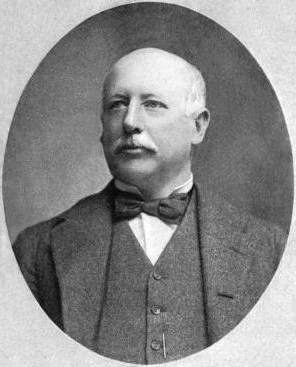
Henry Osborne Havemeyer
Henry Osborne Havemeyer (October 18, 1847 – December 4, 1907) was an American industrialist, entrepreneur and sugar refiner who founded and became president of the American Sugar Refining Company in 1891.
Havemeyer was the third generation of his family in the sugar business and oversaw the expansion of the family firm into the American Sugar Refining Company, which dominated the sugar industry in the late 19th century. Together with his wife, Louisine Havemeyer, he was an avid and prolific collector of art, one of the earliest collectors to bring Impressionist art to America, guided by artist Mary Cassatt. After Louisine Havemeyer's death in 1929, a large part of their collection was bequeathed to the Metropolitan Museum of Art.
Henry Osborne Havemeyer was born in New York City on October 18, 1847, the eighth of nine children, to Frederick Christian Havemeyer Jr. (1807-1891) and Sarah Louise (née Henderson) Havemeyer (1812-1851). His mother died in 1851, when Henry was three years old. He was raised with the help of his grandmothers, Mary Osborne Henderson and Catharine Billiger Havemeyer, and his oldest sister, Mary Havemeyer. The family lived in a house at 193 West 14th Street, in what was then the northern frontier of New York City.
In 1854, Henry Havemeyer, age seven, and his brother Thomas, age nine, were sent to study at the Bellport Academy in Long Island, under the charge of Mr. James Cruikshank. The following year, Henry followed his older brother Theodore to Mr. Betts' School in Stamford, Connecticut. He was a difficult, short-tempered student. After a fight with the principal, he left the school. His formal schooling ended at the age of eight.
In 1799, William Havemeyer (1770-1851) arrived in New York City, followed three years later by his younger brother Frederick Christian Havemeyer (1774-1841). The brothers came from a family of bakers in Bückeburg, Germany, and trained in London during the last decades of the 18th century. William Havemeyer was brought to New York under contract to Edmund Seaman to run his sugar bakery on Pine Street. Frederick followed circa 1802, and in 1805 the brothers leased land from Trinity Church on Budd Street (later renamed Vandam Street) to build their own sugar bakery, which opened in 1807.
After the Havemeyer brothers retired in 1828, their respective sons, cousins William F. Havemeyer (1804-1874) and Frederick C. Havemeyer Jr. (1807-1891), took over the Havemeyer family business. In 1842, William F. Havemeyer began a political career, serving three terms as Mayor of New York City. In 1856 Frederick C. Havemeyer Jr. moved the business to Williamsburg, Brooklyn leasing a waterfront lot between South 3rd and South 4th Streets on which to establish a steam sugar refinery. In 1861, eldest son George W. Havemeyer, age 22, became partner, but died on November 27, 1861, when his clothes were caught in the crank of one of the refinery's large engines. In 1863, Frederick C. Havemeyer Jr. reorganized the business as Havemeyers & Elder, a partnership with son Theodore A. Havemeyer in charge of refinery operations and son-in-law J. Lawrence Elder in charge of the mercantile business.
When the partnership of Havemeyers & Elder was formed in 1863, Henry Osborne Havemeyer, known in the business as H.O. Havemeyer, was a fifteen-year-old apprentice and, in the family tradition, was learning his way through all aspects of the business from testing sugar at the docks to learning the complex processes of refinery operations, including the carefully guarded secrets of sugar boiling. Subsequently, he became apprentice to J. Lawrence Elder, working on the mercantile aspect of the business—purchasing, sales and record keeping. When Elder died suddenly in 1868, H.O. Havemeyer and his brother Thomas took over the mercantile business and became partners in Havemeyers & Elder in 1869. Cousin Charles H. Senff also joined the partnership to manage refinery operations and construction with Theodore A. Havemeyer.
By 1868, the Havemeyers & Elder refinery had doubled in size. Known as the Yellow Sugar House, it covered the blocks on the East River waterfront from South 2nd Street to South 5th Street. Modern innovations were introduced into refinery operations, such that sugar was refined with great efficiency. By 1876 Thomas Havemeyer was no longer involved in Havemeyers & Elder, and H.O. Havemeyer became the principal partner in charge of the mercantile business.[citation needed]
Henry Osborne Havemeyer
Henry Osborne Havemeyer (October 18, 1847 – December 4, 1907) was an American industrialist, entrepreneur and sugar refiner who founded and became president of the American Sugar Refining Company in 1891.
Havemeyer was the third generation of his family in the sugar business and oversaw the expansion of the family firm into the American Sugar Refining Company, which dominated the sugar industry in the late 19th century. Together with his wife, Louisine Havemeyer, he was an avid and prolific collector of art, one of the earliest collectors to bring Impressionist art to America, guided by artist Mary Cassatt. After Louisine Havemeyer's death in 1929, a large part of their collection was bequeathed to the Metropolitan Museum of Art.
Henry Osborne Havemeyer was born in New York City on October 18, 1847, the eighth of nine children, to Frederick Christian Havemeyer Jr. (1807-1891) and Sarah Louise (née Henderson) Havemeyer (1812-1851). His mother died in 1851, when Henry was three years old. He was raised with the help of his grandmothers, Mary Osborne Henderson and Catharine Billiger Havemeyer, and his oldest sister, Mary Havemeyer. The family lived in a house at 193 West 14th Street, in what was then the northern frontier of New York City.
In 1854, Henry Havemeyer, age seven, and his brother Thomas, age nine, were sent to study at the Bellport Academy in Long Island, under the charge of Mr. James Cruikshank. The following year, Henry followed his older brother Theodore to Mr. Betts' School in Stamford, Connecticut. He was a difficult, short-tempered student. After a fight with the principal, he left the school. His formal schooling ended at the age of eight.
In 1799, William Havemeyer (1770-1851) arrived in New York City, followed three years later by his younger brother Frederick Christian Havemeyer (1774-1841). The brothers came from a family of bakers in Bückeburg, Germany, and trained in London during the last decades of the 18th century. William Havemeyer was brought to New York under contract to Edmund Seaman to run his sugar bakery on Pine Street. Frederick followed circa 1802, and in 1805 the brothers leased land from Trinity Church on Budd Street (later renamed Vandam Street) to build their own sugar bakery, which opened in 1807.
After the Havemeyer brothers retired in 1828, their respective sons, cousins William F. Havemeyer (1804-1874) and Frederick C. Havemeyer Jr. (1807-1891), took over the Havemeyer family business. In 1842, William F. Havemeyer began a political career, serving three terms as Mayor of New York City. In 1856 Frederick C. Havemeyer Jr. moved the business to Williamsburg, Brooklyn leasing a waterfront lot between South 3rd and South 4th Streets on which to establish a steam sugar refinery. In 1861, eldest son George W. Havemeyer, age 22, became partner, but died on November 27, 1861, when his clothes were caught in the crank of one of the refinery's large engines. In 1863, Frederick C. Havemeyer Jr. reorganized the business as Havemeyers & Elder, a partnership with son Theodore A. Havemeyer in charge of refinery operations and son-in-law J. Lawrence Elder in charge of the mercantile business.
When the partnership of Havemeyers & Elder was formed in 1863, Henry Osborne Havemeyer, known in the business as H.O. Havemeyer, was a fifteen-year-old apprentice and, in the family tradition, was learning his way through all aspects of the business from testing sugar at the docks to learning the complex processes of refinery operations, including the carefully guarded secrets of sugar boiling. Subsequently, he became apprentice to J. Lawrence Elder, working on the mercantile aspect of the business—purchasing, sales and record keeping. When Elder died suddenly in 1868, H.O. Havemeyer and his brother Thomas took over the mercantile business and became partners in Havemeyers & Elder in 1869. Cousin Charles H. Senff also joined the partnership to manage refinery operations and construction with Theodore A. Havemeyer.
By 1868, the Havemeyers & Elder refinery had doubled in size. Known as the Yellow Sugar House, it covered the blocks on the East River waterfront from South 2nd Street to South 5th Street. Modern innovations were introduced into refinery operations, such that sugar was refined with great efficiency. By 1876 Thomas Havemeyer was no longer involved in Havemeyers & Elder, and H.O. Havemeyer became the principal partner in charge of the mercantile business.[citation needed]
Recent media
Recent media