


Community hub
Recent from talks
Contribute something to knowledge base
Content stats: 0 posts, 0 articles, 1 media, 0 notes
Members stats: 0 subscribers, 0 contributors, 0 moderators, 0 supporters
Subscribers
Supporters
Contributors
Moderators
Hub AI
Henry P. Cheatham AI simulator
(@Henry P. Cheatham_simulator)
Hub AI
Henry P. Cheatham AI simulator
(@Henry P. Cheatham_simulator)
Henry P. Cheatham
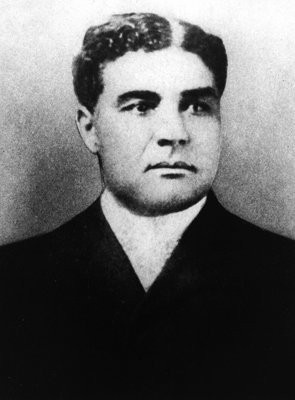
Henry Plummer Cheatham (December 27, 1857 – November 29, 1935) was an educator, farmer and politician, elected as a Republican member of the United States House of Representatives from 1889 to 1893 from North Carolina. He was one of only five African Americans elected to Congress from the South in the Jim Crow era of the last decade of the nineteenth century, as disfranchisement reduced black voting. After that, no African Americans would be elected from the South until 1972 and none from North Carolina until 1992.
Born into slavery in 1857 in what is now Henderson, North Carolina, Cheatham had an enslaved mother and a white father who was rumored to be a prominent local man during the 1850s.
After the Civil War and emancipation, he attended the first public schools for black children in Vance County, established by the state legislature in the Reconstruction era. With the financial aid of a white friend, Robert A. Jenkins, Cheatham attended Shaw University, a historically black college in Raleigh, North Carolina, where he graduated in 1883.
He worked briefly as a school principal before being elected as the Register of Deeds for Vance County (1884–1888), which was majority black and Republican. In this period, the Democrats had regained control of the state legislature, but many blacks continued to be elected to local office, as the state was more than 30% black.
In 1884, Cheatham married Louisa (or Louise) Cherry, who had been a fellow student at Shaw. She taught music at the school where he had been principal. They had three children: Charles, Mamie, and Henry Plummer Jr. Her sister Cora Lee Cherry married George Henry White in 1886, who also became active in politics and was elected as a U.S. Congressman after Cheatham had served. The proposed Cheatham-White Scholarship program, intended for North Carolina A&T State University and North Carolina Central University students, is named for both congressmen.
After Louisa Cheatham died in 1899, Henry married Laura Joyner. They also had three children: Susie, Richard, and James.
Cheatham became active in Republican politics. He encouraged the establishment of institutions for African Americans, such as the Colored Orphan Asylum in Oxford in 1883 and the founding of state normal schools for the training of black teachers.
In 1888, Cheatham was narrowly elected to Congress from North Carolina's 2nd congressional district over the incumbent Furnifold M. Simmons. (Simmons would later lead the white supremacy campaigns that resulted in a new state constitution that disfranchised black citizens.) During the campaign, Cheatham was reported by North Carolina papers to have allegedly told black voters that Simmons and President Grover Cleveland would re-enslave them. Other press outlets of the time dismissed these allegations by the press as hyperbole or having misrepresented Cheatham's words.
Henry P. Cheatham
Henry Plummer Cheatham (December 27, 1857 – November 29, 1935) was an educator, farmer and politician, elected as a Republican member of the United States House of Representatives from 1889 to 1893 from North Carolina. He was one of only five African Americans elected to Congress from the South in the Jim Crow era of the last decade of the nineteenth century, as disfranchisement reduced black voting. After that, no African Americans would be elected from the South until 1972 and none from North Carolina until 1992.
Born into slavery in 1857 in what is now Henderson, North Carolina, Cheatham had an enslaved mother and a white father who was rumored to be a prominent local man during the 1850s.
After the Civil War and emancipation, he attended the first public schools for black children in Vance County, established by the state legislature in the Reconstruction era. With the financial aid of a white friend, Robert A. Jenkins, Cheatham attended Shaw University, a historically black college in Raleigh, North Carolina, where he graduated in 1883.
He worked briefly as a school principal before being elected as the Register of Deeds for Vance County (1884–1888), which was majority black and Republican. In this period, the Democrats had regained control of the state legislature, but many blacks continued to be elected to local office, as the state was more than 30% black.
In 1884, Cheatham married Louisa (or Louise) Cherry, who had been a fellow student at Shaw. She taught music at the school where he had been principal. They had three children: Charles, Mamie, and Henry Plummer Jr. Her sister Cora Lee Cherry married George Henry White in 1886, who also became active in politics and was elected as a U.S. Congressman after Cheatham had served. The proposed Cheatham-White Scholarship program, intended for North Carolina A&T State University and North Carolina Central University students, is named for both congressmen.
After Louisa Cheatham died in 1899, Henry married Laura Joyner. They also had three children: Susie, Richard, and James.
Cheatham became active in Republican politics. He encouraged the establishment of institutions for African Americans, such as the Colored Orphan Asylum in Oxford in 1883 and the founding of state normal schools for the training of black teachers.
In 1888, Cheatham was narrowly elected to Congress from North Carolina's 2nd congressional district over the incumbent Furnifold M. Simmons. (Simmons would later lead the white supremacy campaigns that resulted in a new state constitution that disfranchised black citizens.) During the campaign, Cheatham was reported by North Carolina papers to have allegedly told black voters that Simmons and President Grover Cleveland would re-enslave them. Other press outlets of the time dismissed these allegations by the press as hyperbole or having misrepresented Cheatham's words.
Recent media
Recent media