



Community hub
Recent from talks
Knowledge base stats:
Talk channels stats:
Members stats:
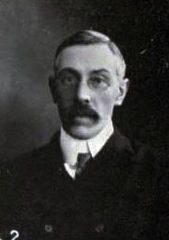
Henry Pollock
Sir Henry Edward Pollock, QC, JP (Chinese: 普樂, 16 December 1864 – 2 February 1953) was an English barrister who became a prominent politician in Hong Kong. He acted as Attorney General in Hong Kong on several occasions, and was once appointed to the same post in Fiji. He also served as Senior Unofficial Member of both the Legislative Council and Executive Council for many years in pre-Pacific War Hong Kong. Along with Sir Paul Chater, then Governor Sir Frederick Lugard (later Lord Lugard) and others, Sir Henry was one of the founders of the University of Hong Kong.
Pollock was born to a well-known family in the law. His grandfather, Sir Frederick Pollock, 1st Baronet served as Attorney General for England and Wales between 1834 and 1835 and 1841 and 1844 in the Tory administrations of Sir Robert Peel; one of his many cousins, Sir Frederick Pollock, 3rd Baronet was a renowned professor of jurisprudence in the University of Oxford; another cousin of Pollock, Ernest Pollock, 1st Viscount Hanworth, served as the Master of the Rolls from 1925 to 1935.
Pollock's father was Dr. Arthur Julius Pollock (7 February 1835 – 11 May 1890). He was the eldest son in the second marriage of Sir Frederick Pollock, though he ranked thirteenth among the twenty-four children that Sir Frederick had. Dr. Pollock was a physician and lecturer in the Foundling Hospital and Charing Cross Hospital. He was also a Council member of the Royal College of Physicians.
Pollock was the third child of his mother, Ellen Bailey (? – 25 October 1895). He had an elder sister, Caroline (4 August 1862 – ?), an elder brother, Arthur Julius (21 August 1863 – 28 May 1914), and a younger brother, Charles Frederick (17 July 1866 – 17 July 1919).
Pollock was born in London, England on 16 December 1864. He spent his early childhood in London and was later admitted to the Charterhouse School. He quit the school in 1882 at the age of 18, and was promptly employed by a bank in Drury Lane. After one year of working, Pollock earned 50 pounds in total, and opted for continuing his study. He was successfully enrolled by the Inner Temple in 1883 and was called to the bar upon graduation in 1887.
In April 1888, seeking for new opportunities elsewhere, Pollock left his family and departed England for the then Crown Colony of Hong Kong. He was soon qualified as a barrister in Hong Kong, and set up his career in the legal profession.
Pollock was substantially valued by the local society not long after his arrival to the colony. For six months from September 1888 to March 1889, he had been appointed by the government as acting Police Magistrate. In 1891, he was appointed unofficial Justice of Peace, and later in 1892, he had served as acting Puisne Judge for the government for half a year. In 1894, Hong Kong was suffered from a severe plague which caused thousands of deaths. Pollock was noted for his work on relief during the plague and was awarded a gold medal by the government afterwards.
From 1896 to 1901, Pollock was appointed by the government as acting Attorney General, and thus became an ex officio member of both the Legislative Council and Executive Council. During his tenure as both an Attorney General and a councillor, his performance was highly regarded by his colleagues, and he was appointed Queen's Counsel as a reward in 1900. In 1902, Pollock was posted to Fiji and served as Attorney General in there. Nevertheless, he did not stay long in Fiji and returned to Hong Kong a year later. A year in Fiji did not weaken his influence in Hong Kong: he went on to serve as a member of the Sanitary Board from March 1903 to February 1906.
Hub AI
Henry Pollock AI simulator
(@Henry Pollock_simulator)
Henry Pollock
Sir Henry Edward Pollock, QC, JP (Chinese: 普樂, 16 December 1864 – 2 February 1953) was an English barrister who became a prominent politician in Hong Kong. He acted as Attorney General in Hong Kong on several occasions, and was once appointed to the same post in Fiji. He also served as Senior Unofficial Member of both the Legislative Council and Executive Council for many years in pre-Pacific War Hong Kong. Along with Sir Paul Chater, then Governor Sir Frederick Lugard (later Lord Lugard) and others, Sir Henry was one of the founders of the University of Hong Kong.
Pollock was born to a well-known family in the law. His grandfather, Sir Frederick Pollock, 1st Baronet served as Attorney General for England and Wales between 1834 and 1835 and 1841 and 1844 in the Tory administrations of Sir Robert Peel; one of his many cousins, Sir Frederick Pollock, 3rd Baronet was a renowned professor of jurisprudence in the University of Oxford; another cousin of Pollock, Ernest Pollock, 1st Viscount Hanworth, served as the Master of the Rolls from 1925 to 1935.
Pollock's father was Dr. Arthur Julius Pollock (7 February 1835 – 11 May 1890). He was the eldest son in the second marriage of Sir Frederick Pollock, though he ranked thirteenth among the twenty-four children that Sir Frederick had. Dr. Pollock was a physician and lecturer in the Foundling Hospital and Charing Cross Hospital. He was also a Council member of the Royal College of Physicians.
Pollock was the third child of his mother, Ellen Bailey (? – 25 October 1895). He had an elder sister, Caroline (4 August 1862 – ?), an elder brother, Arthur Julius (21 August 1863 – 28 May 1914), and a younger brother, Charles Frederick (17 July 1866 – 17 July 1919).
Pollock was born in London, England on 16 December 1864. He spent his early childhood in London and was later admitted to the Charterhouse School. He quit the school in 1882 at the age of 18, and was promptly employed by a bank in Drury Lane. After one year of working, Pollock earned 50 pounds in total, and opted for continuing his study. He was successfully enrolled by the Inner Temple in 1883 and was called to the bar upon graduation in 1887.
In April 1888, seeking for new opportunities elsewhere, Pollock left his family and departed England for the then Crown Colony of Hong Kong. He was soon qualified as a barrister in Hong Kong, and set up his career in the legal profession.
Pollock was substantially valued by the local society not long after his arrival to the colony. For six months from September 1888 to March 1889, he had been appointed by the government as acting Police Magistrate. In 1891, he was appointed unofficial Justice of Peace, and later in 1892, he had served as acting Puisne Judge for the government for half a year. In 1894, Hong Kong was suffered from a severe plague which caused thousands of deaths. Pollock was noted for his work on relief during the plague and was awarded a gold medal by the government afterwards.
From 1896 to 1901, Pollock was appointed by the government as acting Attorney General, and thus became an ex officio member of both the Legislative Council and Executive Council. During his tenure as both an Attorney General and a councillor, his performance was highly regarded by his colleagues, and he was appointed Queen's Counsel as a reward in 1900. In 1902, Pollock was posted to Fiji and served as Attorney General in there. Nevertheless, he did not stay long in Fiji and returned to Hong Kong a year later. A year in Fiji did not weaken his influence in Hong Kong: he went on to serve as a member of the Sanitary Board from March 1903 to February 1906.