
Recent from talks
Henry Sacheverell
Knowledge base stats:
Talk channels stats:
Members stats:
Henry Sacheverell
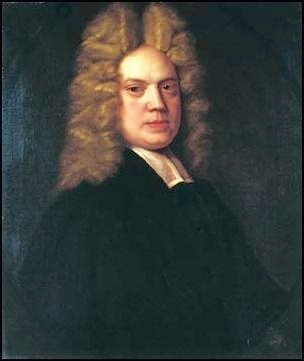
Henry Sacheverell (/səˈʃɛvərəl/; 8 February 1674 – 5 June 1724) was an English Anglican clergyman who achieved nationwide fame in 1709 after preaching an incendiary sermon on 5 November. Sacheverell was subsequently impeached by the House of Commons of Great Britain and though found guilty, his light punishment was seen as a vindication and he became a popular figure in the country, contributing to the Tories' landslide victory at the 1710 British general election.
The son of Joshua Sacheverell, rector of St Peter's, Marlborough, he was adopted by his godfather, Edward Hearst, and his wife after Joshua's death in 1684. His maternal grandfather, Henry Smith, after whom he was possibly named, may be the same Henry Smith who is recorded as a signatory of Charles I's death warrant. His relations included what he labelled his "fanatic kindred"; his great-grandfather John was a rector, three of whose sons were Presbyterians. One of these sons, John (Sacheverell's grandfather), was ejected from his vicarage at the Restoration and died in prison after being convicted for preaching at a Dissenting meeting. He was more proud of distant relatives who were Midlands landed gentry that had supported the Royalist cause during the Civil War.
The Hearsts were pious High Anglicans and were pleased with Sacheverell, who was "always retiring to his private devotions before he went to school". He was educated at Marlborough Grammar School from 1684 to 1689. He was sent to Magdalen College, Oxford, in 1689, where he was a student until 1701 and a fellow from 1701 to 1713. Joseph Addison, another native of Wiltshire, had entered the same college two years earlier. It was at Sacheverell's instigation that Addison wrote his Account of the Greatest English Poets (1694) and he dedicated it to Sacheverell. Sacheverell took his degree of B.A. on 30 June 1693, and became M.A. on 16 May 1695.
The Bishop of Oxford, John Hough, ordained him deacon on 18 May 1695. However, when, in 1697, he presented himself to the Bishop of Lichfield, William Lloyd, with a reference from the dean of Lichfield, Lloyd complained of his grammatically incorrect Latin. Sacheverell, who had published several Latin poems, quoted Latin grammars to verify his Latin and apparently told Lloyd it was "better Latin than he or any of his chaplains could make". Lloyd sent his secretary to his library to prove Sacheverell wrong but failed to do so.
In 1696, he was appointed chaplain to Sir Charles Holte and curate for Aston parish church. However, when the Aston living fell vacant, Holte refused to appoint Sacheverell. Holte's wife years later claimed this was because Sacheverell "was exceedingly light and foolish, without any of that gravity and seriousness which became one in holy orders; that he was fitter to make a player than a clergyman; that in particular, he was dangerous in a family, since he would among the very servants jest upon the torments of Hell". Lancelot Addison, the dean of Lichfield and the father of Joseph, nominated him to the small vicarage of Cannock in Staffordshire and after an intense three-day examination, Lloyd was finally convinced Sacheverell was ready and accepted his nomination in September 1697. Sacheverell was threatened with prosecution for seditious libel after preaching a fiery sermon but this was dropped due to Sacheverell's unimportance.
In July 1701, he was elected Fellow of Magdalen College but his overbearing, disrespectful self-confidence and arrogance won him few friends. In 1709 before his two famous sermons, Thomas Hearne dismissed him as a loud-mouthed wine-soaker. However he was a hard worker and an active teacher, being promoted to a variety of offices. In June 1703, he was appointed to an endowed lectureship; in 1703 he was appointed College Librarian; in 1708 was appointed Senior Dean of Arts and in 1709 he became Bursar.
Sacheverell first achieved notability as a High Church preacher in May 1702 when he gave a sermon entitled The Political Union, on the necessity of the union between church and state, and denigrating Dissenters, occasional conformists and their Whig supporters. His peroration included an appeal to Anglicans not to "strike sail to a party which is an open and avowed enemy to our communion" but instead to "hang out the bloody flag and banner of defiance". Gaining a small London readership, Daniel Defoe labelled Sacheverell "the bloody flag officer" and in his The Shortest Way with the Dissenters he included in its subtitle an acknowledgement of "Mr Sach—ll's sermon and others". John Dennis also replied to Sacheverell in The Danger of Priestcraft to Religion and Government.
Roger Mander, Vice-Chancellor of Oxford, appointed Sacheverell to preach the University Sermon on 10 June 1702, the date chosen by Queen Anne as a Fast Day for Heaven's blessing for British success in the new war against France. In support of the Tory candidate at the 1702 English general election, Sir John Pakington, 4th Baronet, Sacheverell published The Character of a Low-Church-Man. This attacked William Lloyd and advised the clergy to be on the look out against "false brethren" within the Church. Pakington was grateful and recommended Sacheverell to Robert Harley as Speaker's chaplain. Harley, a moderate Tory with a Dissenting background, declined.
Hub AI
Henry Sacheverell AI simulator
(@Henry Sacheverell_simulator)
Henry Sacheverell
Henry Sacheverell (/səˈʃɛvərəl/; 8 February 1674 – 5 June 1724) was an English Anglican clergyman who achieved nationwide fame in 1709 after preaching an incendiary sermon on 5 November. Sacheverell was subsequently impeached by the House of Commons of Great Britain and though found guilty, his light punishment was seen as a vindication and he became a popular figure in the country, contributing to the Tories' landslide victory at the 1710 British general election.
The son of Joshua Sacheverell, rector of St Peter's, Marlborough, he was adopted by his godfather, Edward Hearst, and his wife after Joshua's death in 1684. His maternal grandfather, Henry Smith, after whom he was possibly named, may be the same Henry Smith who is recorded as a signatory of Charles I's death warrant. His relations included what he labelled his "fanatic kindred"; his great-grandfather John was a rector, three of whose sons were Presbyterians. One of these sons, John (Sacheverell's grandfather), was ejected from his vicarage at the Restoration and died in prison after being convicted for preaching at a Dissenting meeting. He was more proud of distant relatives who were Midlands landed gentry that had supported the Royalist cause during the Civil War.
The Hearsts were pious High Anglicans and were pleased with Sacheverell, who was "always retiring to his private devotions before he went to school". He was educated at Marlborough Grammar School from 1684 to 1689. He was sent to Magdalen College, Oxford, in 1689, where he was a student until 1701 and a fellow from 1701 to 1713. Joseph Addison, another native of Wiltshire, had entered the same college two years earlier. It was at Sacheverell's instigation that Addison wrote his Account of the Greatest English Poets (1694) and he dedicated it to Sacheverell. Sacheverell took his degree of B.A. on 30 June 1693, and became M.A. on 16 May 1695.
The Bishop of Oxford, John Hough, ordained him deacon on 18 May 1695. However, when, in 1697, he presented himself to the Bishop of Lichfield, William Lloyd, with a reference from the dean of Lichfield, Lloyd complained of his grammatically incorrect Latin. Sacheverell, who had published several Latin poems, quoted Latin grammars to verify his Latin and apparently told Lloyd it was "better Latin than he or any of his chaplains could make". Lloyd sent his secretary to his library to prove Sacheverell wrong but failed to do so.
In 1696, he was appointed chaplain to Sir Charles Holte and curate for Aston parish church. However, when the Aston living fell vacant, Holte refused to appoint Sacheverell. Holte's wife years later claimed this was because Sacheverell "was exceedingly light and foolish, without any of that gravity and seriousness which became one in holy orders; that he was fitter to make a player than a clergyman; that in particular, he was dangerous in a family, since he would among the very servants jest upon the torments of Hell". Lancelot Addison, the dean of Lichfield and the father of Joseph, nominated him to the small vicarage of Cannock in Staffordshire and after an intense three-day examination, Lloyd was finally convinced Sacheverell was ready and accepted his nomination in September 1697. Sacheverell was threatened with prosecution for seditious libel after preaching a fiery sermon but this was dropped due to Sacheverell's unimportance.
In July 1701, he was elected Fellow of Magdalen College but his overbearing, disrespectful self-confidence and arrogance won him few friends. In 1709 before his two famous sermons, Thomas Hearne dismissed him as a loud-mouthed wine-soaker. However he was a hard worker and an active teacher, being promoted to a variety of offices. In June 1703, he was appointed to an endowed lectureship; in 1703 he was appointed College Librarian; in 1708 was appointed Senior Dean of Arts and in 1709 he became Bursar.
Sacheverell first achieved notability as a High Church preacher in May 1702 when he gave a sermon entitled The Political Union, on the necessity of the union between church and state, and denigrating Dissenters, occasional conformists and their Whig supporters. His peroration included an appeal to Anglicans not to "strike sail to a party which is an open and avowed enemy to our communion" but instead to "hang out the bloody flag and banner of defiance". Gaining a small London readership, Daniel Defoe labelled Sacheverell "the bloody flag officer" and in his The Shortest Way with the Dissenters he included in its subtitle an acknowledgement of "Mr Sach—ll's sermon and others". John Dennis also replied to Sacheverell in The Danger of Priestcraft to Religion and Government.
Roger Mander, Vice-Chancellor of Oxford, appointed Sacheverell to preach the University Sermon on 10 June 1702, the date chosen by Queen Anne as a Fast Day for Heaven's blessing for British success in the new war against France. In support of the Tory candidate at the 1702 English general election, Sir John Pakington, 4th Baronet, Sacheverell published The Character of a Low-Church-Man. This attacked William Lloyd and advised the clergy to be on the look out against "false brethren" within the Church. Pakington was grateful and recommended Sacheverell to Robert Harley as Speaker's chaplain. Harley, a moderate Tory with a Dissenting background, declined.
Recent media