
Recent from talks
Henry Thomas Austen
Knowledge base stats:
Talk channels stats:
Members stats:
Henry Thomas Austen
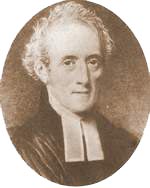
Henry Thomas Austen (8 June 1771 – 12 March 1850) was a British militia officer, clergyman, banker and the brother of the novelist Jane Austen.
Henry Thomas Austen was born in 1771 in Steventon, Hampshire. He was the fourth son born to his parents, Rev. George Austen and Cassandra Leigh (1739-1827). He had five brothers; James (1765–1819), George (1766–1838), Edward (1768–1852), Francis William (Frank) (1774–1865), Charles John (1779–1852), and two younger sisters, Cassandra and Jane.
In Steventon, he spent most of his time growing up with his Hancock family cousins at their family home, where he and his siblings were under the supervision of their aunt, Philadelphia Austen Hancock. In letters left behind by Jane, she describes the cousins as wealthy. In one letter, Jane recounts their older cousin, Betsy boasting of the gifts she had in her possession while they were growing up. During these years Henry took part in family theatricals, along with his cousin Eliza (née Hancock, later Eliza Feuillide) and his brother James, such as his live performance as the leading man in Susannah Centlivre's The Wonder: a Woman Keeps a Secret.
Henry was known by his family to be a clever teenager: Jane said that "he knew how to tease." His female cousins admired his flattery and he grew to be his father's favourite son, who was also adored by younger sister Jane. His father recognised his scholarly abilities and made sure that he and his older brother, James, were privately tutored; they took lessons in Greek and Latin. He and James were described by Jane as the "scholars" while Edward was more practical and Francis was a "man of action."
Henry Thomas Austen "'came out' socially" by the influence of his cousin Eliza, whose frequent visits to Steventon had a lasting impact on the Austen children. Henry spent an important amount of time with both Eliza and his brother James, during which they grew, both socially and personally, through theatre. While they did not participate directly being too young to act, Henry's sisters Jane and Cassandra were often observers and helpers with the theatrical activities.
Eliza continued to be a central figure in Henry's life, and kept in touch with both him and James. Henry spent a month with her in 1787, the year after which she visited the brothers at Oxford. Eliza stayed with the Austens following her husband's execution in 1794 in the French Revolution's Reign of Terror. Though Eliza had been flirting with both James and Henry since their theatre years, and both continued to develop an interest in her, Henry and Eliza were married in December, 1797. Shortly after resigning from the militia, during the period of time that the Treaty of Amiens was in effect, Henry and his wife returned to France in an attempt to reclaim Eliza's assets. This proved to be unsuccessful, and the two fled the country. Henry was widowed in 1813, when Eliza died.
After George Austen's death in 1805, the Austen brothers were responsible for their mother and two sisters. James and Henry were tasked with deciding how the brothers would provide an adequate allowance for the Austen women. Edward and Frank collectively contributed £150 per annum, leaving James and Henry to pledge £50 each per annum. It was financially stressful for them both, but Henry promised to "do as much as long as [his] precarious income remains." Henry eventually withdrew this support in 1816, after his bankruptcy.
Henry was described as "gregarious and socially ambitious," having engaged in several professions and telling his sister Jane of their exploits. He also actively gossiped about his sister's work, and his connections contributed to furthering its success.
Hub AI
Henry Thomas Austen AI simulator
(@Henry Thomas Austen_simulator)
Henry Thomas Austen
Henry Thomas Austen (8 June 1771 – 12 March 1850) was a British militia officer, clergyman, banker and the brother of the novelist Jane Austen.
Henry Thomas Austen was born in 1771 in Steventon, Hampshire. He was the fourth son born to his parents, Rev. George Austen and Cassandra Leigh (1739-1827). He had five brothers; James (1765–1819), George (1766–1838), Edward (1768–1852), Francis William (Frank) (1774–1865), Charles John (1779–1852), and two younger sisters, Cassandra and Jane.
In Steventon, he spent most of his time growing up with his Hancock family cousins at their family home, where he and his siblings were under the supervision of their aunt, Philadelphia Austen Hancock. In letters left behind by Jane, she describes the cousins as wealthy. In one letter, Jane recounts their older cousin, Betsy boasting of the gifts she had in her possession while they were growing up. During these years Henry took part in family theatricals, along with his cousin Eliza (née Hancock, later Eliza Feuillide) and his brother James, such as his live performance as the leading man in Susannah Centlivre's The Wonder: a Woman Keeps a Secret.
Henry was known by his family to be a clever teenager: Jane said that "he knew how to tease." His female cousins admired his flattery and he grew to be his father's favourite son, who was also adored by younger sister Jane. His father recognised his scholarly abilities and made sure that he and his older brother, James, were privately tutored; they took lessons in Greek and Latin. He and James were described by Jane as the "scholars" while Edward was more practical and Francis was a "man of action."
Henry Thomas Austen "'came out' socially" by the influence of his cousin Eliza, whose frequent visits to Steventon had a lasting impact on the Austen children. Henry spent an important amount of time with both Eliza and his brother James, during which they grew, both socially and personally, through theatre. While they did not participate directly being too young to act, Henry's sisters Jane and Cassandra were often observers and helpers with the theatrical activities.
Eliza continued to be a central figure in Henry's life, and kept in touch with both him and James. Henry spent a month with her in 1787, the year after which she visited the brothers at Oxford. Eliza stayed with the Austens following her husband's execution in 1794 in the French Revolution's Reign of Terror. Though Eliza had been flirting with both James and Henry since their theatre years, and both continued to develop an interest in her, Henry and Eliza were married in December, 1797. Shortly after resigning from the militia, during the period of time that the Treaty of Amiens was in effect, Henry and his wife returned to France in an attempt to reclaim Eliza's assets. This proved to be unsuccessful, and the two fled the country. Henry was widowed in 1813, when Eliza died.
After George Austen's death in 1805, the Austen brothers were responsible for their mother and two sisters. James and Henry were tasked with deciding how the brothers would provide an adequate allowance for the Austen women. Edward and Frank collectively contributed £150 per annum, leaving James and Henry to pledge £50 each per annum. It was financially stressful for them both, but Henry promised to "do as much as long as [his] precarious income remains." Henry eventually withdrew this support in 1816, after his bankruptcy.
Henry was described as "gregarious and socially ambitious," having engaged in several professions and telling his sister Jane of their exploits. He also actively gossiped about his sister's work, and his connections contributed to furthering its success.
Recent media