Hubbry Logo
Henry WinterfeldHenry WinterfeldMain
Open search
Henry Winterfeld
Community hub
Henry Winterfeld
logo
8 pages, 0 posts
0 subscribers
Be the first to start a discussion here.
Henry Winterfeld
Henry Winterfeld
from Wikipedia

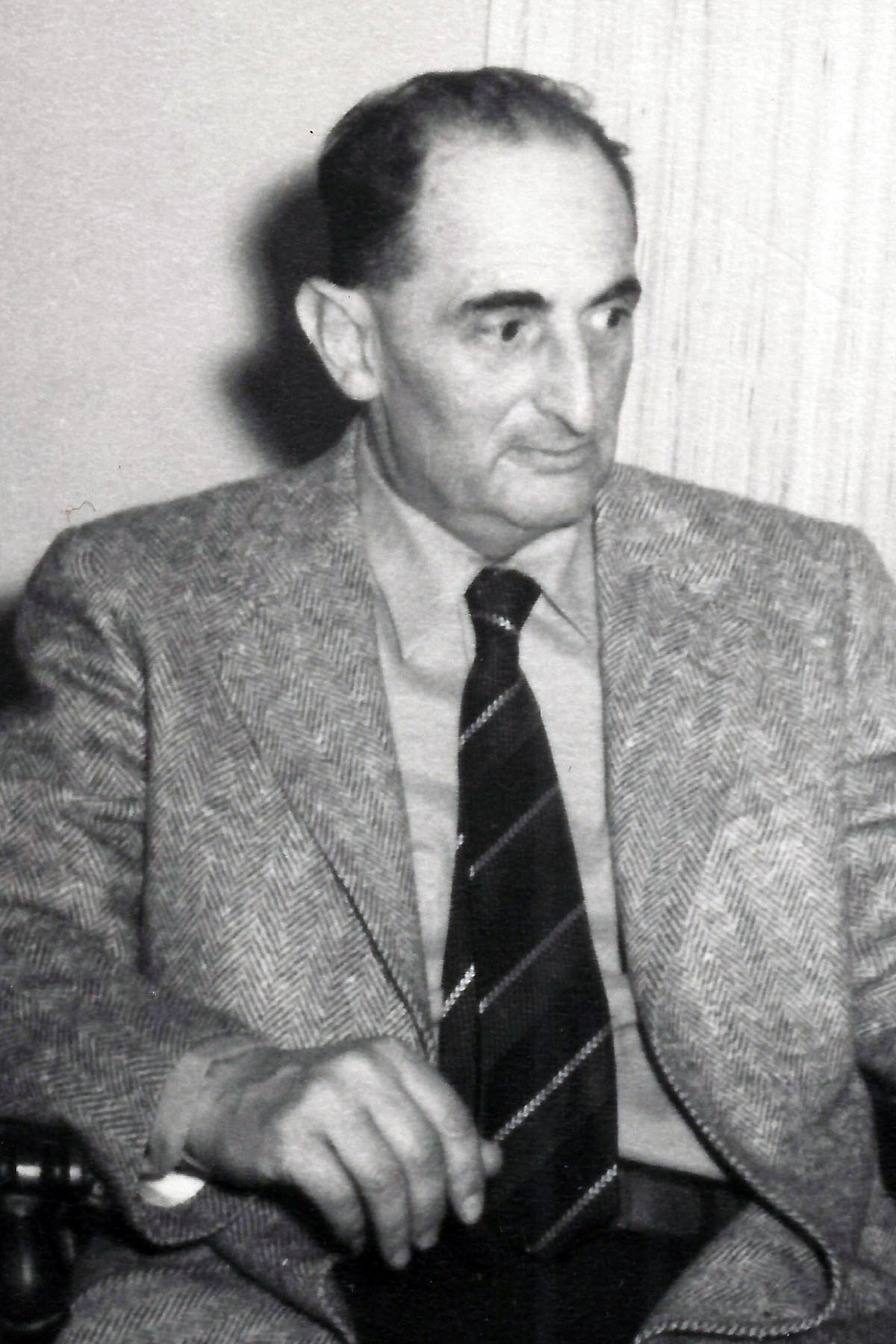
Henry Winterfeld (April 9, 1901 – January 27, 1990), published under the pseudonym Manfred Michael, was a German writer and artist famous for his children's and young adult novels. He emigrated to the U.S. in 1940 and lived there until his death.

Key Information

Henry Winterfeld was married to Elsie Winterfeld, who was a designer of toys and created a patented three-faced doll.[1]

Biography

[edit]

Henry Winterfeld began his career as a writer in 1933, when he wrote to entertain his son, Thomas Henry Winterfeld (1923–2008, an oceanographer),[2] who was young and sick with scarlet fever. The result was Henry Winterfeld's first book, Trouble at Timpetill, which was published in 1937 in German under the pseudonym Manfred Michael.

He wrote many books aimed at children. These books have been translated into various languages. A couple have been made into videos, such as the movie Les enfants de Timpelbach (English: Trouble at Timpetill) (2008).[3]

Because of the Nazi regime in Germany, Henry Winterfeld, who was a Jew, moved to Austria in 1933 and from there emigrated to France in 1938. In October, 1939, he was arrested and interned in Nevers until he was able to emigrate to the United States before the German invasion of France began on May 10, 1940. In 1946, he became an American citizen. Winterfeld's niece, Marianne Gilbert Finnegan, describes the life of the Winterfelds in the United States in her autobiography Memories of a Mischling: Becoming an American.[4]

Bibliography

[edit]

References

[edit]
[edit]
Revisions and contributorsEdit on WikipediaRead on Wikipedia
from Grokipedia
Henry Winterfeld is a German-born American children's author known for his imaginative adventure stories that blend realistic settings with speculative and fantastic elements, captivating young readers with tales of self-governing children and extraterrestrial encounters. Born on April 9, 1901, in Hamburg, Germany, Winterfeld left the country in 1933 due to his Jewish heritage following the rise of the Nazi regime, residing first in Austria and then France before emigrating to the United States in 1940; he became an American citizen in 1946 and resided there until his death on January 27, 1990, in Machias, Maine. He also published under the pseudonyms Manfred Michael and Henry Gilbert. His works often feature innovative premises such as children forming independent societies or discovering visitors from other worlds. His internationally best-known book, Timpetill – Die Stadt ohne Eltern (1937; published in English as Trouble at Timpetill in 1963), depicts children taking control of their town after the adults depart, defeating a bully and establishing a new social order. Other notable works include Kommt ein Mädchen geflogen (1956; translated as Star Girl in 1957), about a girl from Venus rescued by children, and Telegramm aus Liliput (1957; translated as Castaways in Lilliput in 1958), in which Australian children arrive in the land of Lilliput. These stories highlight his skill in combining adventure with imaginative concepts, earning him recognition in German-language and translated children's literature.

Early life

Birth and family

Henry Winterfeld was born on April 9, 1901, in Hamburg, German Empire, into a Jewish family. His father, Max Winterfeld, was a composer and conductor who adopted the professional pseudonym Jean Gilbert for his work in operettas and music. Winterfeld had a brother, Robert Winterfeld, who later became a composer and lyricist under the name Robert Gilbert. His early childhood unfolded in Hamburg amid the artistic milieu of his family's musical background prior to World War I. As a member of a Jewish family, this heritage later contributed to his need to emigrate following the rise of Nazi persecution in Germany.

Education and early career

Henry Winterfeld attended a private school in his youth. He subsequently studied music at the Stern Conservatory in Berlin, training as a pianist alongside Claudio Arrau. Following his musical education, Winterfeld worked professionally as a pianist. During this early period in Germany, he also wrote screenplays for films. His initial professional activities thus centered on music and the film industry before he turned to writing children's literature in the 1930s.

Career in Germany

Early writing

Henry Winterfeld's early writing in Germany during the 1920s and early 1930s is not extensively documented in reliable sources. His professional activities before 1933 appear to have been limited in terms of published literary works, with his literary career widely recognized as beginning in 1933 when he created the story of Timpetill to entertain his son. No specific early articles, short stories, or pseudonyms from this period are confirmed in available biographical accounts. This early phase coincided with the vibrant Weimar Republic cultural scene, though Winterfeld's documented contributions emerged later with his children's literature.

Timpetill and rise to prominence

In 1933, Henry Winterfeld wrote his debut novel Timpetill – Die Stadt ohne Eltern ("Timpetill: The City without Parents"), a children's book originally created to entertain his young son Thomas, who was recovering from scarlet fever. The story depicts the adults of the town of Timpetill leaving in protest against their children's insolence, only to be prevented from returning, leaving the children to organize their own society, defeat a fascist bully, and establish a functional community. The novel was published in 1937 in Zurich, Switzerland, by R. Corrodi under the pseudonym Manfred Michael, having left Germany in 1933 due to his Jewish heritage and the rise of the Nazi regime. This marked his entry into children's literature, though the political circumstances limited its immediate impact within Germany itself.

Emigration and exile

Flight from Nazi Germany

Henry Winterfeld, of Jewish descent, faced persecution under the Nazi regime's anti-Semitic policies following their rise to power in 1933. He left Germany that year, relocating to Austria to escape the increasing dangers posed by his Jewish heritage. Following the Anschluss in 1938, which annexed Austria to Nazi Germany, Winterfeld moved to France with his family. In October 1939, he was arrested as a refugee and interned in Nevers, France, remaining there until his release in May 1940. These displacements marked critical stages in his exile, driven by Nazi persecution and the escalating war.

Arrival and adaptation in the United States

Henry Winterfeld arrived in the United States in May 1940 with his family, shortly after his release from internment in Nevers, France, and immediately before the German invasion of France on May 10, 1940. He settled in New York, where he resided for many years, as evidenced by his address at 21 Mosholu Parkway in 1957. In 1946, he became a naturalized American citizen. As with many émigré writers, his early years in the United States involved adjusting to a new country and culture following years of displacement.

Literary career in the United States

Transition to English-language writing

After his arrival in the United States in 1940, Henry Winterfeld continued to write his literary works in German, his native language. There is no record of him producing original compositions in English or undergoing a personal shift to writing directly in English for publication. Instead, the transition to English-language writing occurred through the translation of his German books for American readers. This process began in the 1950s, with translators adapting his works to make them accessible to an English-speaking audience. His novel Caius ist ein Dummkopf (1953) was translated as Detectives in Togas by Richard and Clara Winston and published in 1956 by Pantheon Books, representing an early key example of this shift to English-language availability.

Major American publications

Henry Winterfeld's major American publications consist of English translations of his children's novels, which appeared primarily in the 1950s and 1970s and introduced American readers to his imaginative storytelling. Detectives in Togas, first published in English in 1956, stands as his most prominent and enduring work in the United States. Translated by Richard and Clara Winston from the original German Caius ist ein Dummkopf, the book follows seven schoolboys in ancient Rome who band together to investigate puzzling crimes—including temple graffiti and an assault on their strict teacher—relying on deduction, mischief, and classroom logic to uncover the truth. The novel received strong praise for its humor, suspenseful plotting, realistic portrayal of youthful antics, and seamless incorporation of historical details about daily life in ancient Rome. A sequel, Mystery of the Roman Ransom, appeared in 1971 and continued the adventures of the same group of boys as they tackled another intricate mystery in the Roman setting. Like its predecessor, it blended detective elements with educational insights into ancient history, maintaining Winterfeld's characteristic wit and appeal to young readers. Other notable American publications include Castaways in Lilliput, issued in 1958 by Harcourt, Brace and World, which depicts three children shipwrecked on an island populated by tiny inhabitants living in miniature cities and villages. Star Girl, published in 1957, offered a science fiction tale ahead of its time, centered on encounters with an extraterrestrial visitor amid growing interest in space exploration. These works, along with the translation of his earlier German novel as Trouble at Timpetill in the 1960s, expanded Winterfeld's reach in American children's literature, though none achieved the lasting popularity of the Detectives series. No major awards are recorded for these titles, but their continued reprints and use in educational settings reflect their ongoing impact.

Personal life

Family and personal relationships

Henry Winterfeld married Elsie Winterfeld (also known as Else or Liesbeth), a toy designer who invented and patented a three-headed (or three-faced) doll. The couple had one son, Thomas Henry Winterfeld, born in 1923, who later pursued a career as an oceanographer until his death in 2008. Winterfeld began his career as a children's author in 1933 by creating stories to entertain his young son during a serious illness, specifically a bout of scarlet fever. His immediate family, including his wife and son, shared in his experiences of emigration and adaptation in exile. Winterfeld's extended family included his father, Max Winterfeld (professional pseudonym Jean Gilbert), a composer and conductor, and an older brother, Robert Gilbert, a lyricist and librettist. His niece, Marianne Gilbert Finnegan (daughter of his brother Robert), later documented aspects of the family's life in the United States in her 2002 memoir Memories of a Mischling: Becoming an American.

Later years

In his later years, Henry Winterfeld's literary output slowed considerably, with his final original work, Mystery of the Roman Ransom, published in 1971. This marked the end of his active writing career, as no new books or significant contributions appeared in the 1970s or 1980s. He lived quietly in the United States during this period, eventually residing in Machias, Maine, in his advanced age. No detailed records exist of specific activities, health concerns, or other engagements during these decades.

Death and legacy

Death

Henry Winterfeld died on January 27, 1990, in Machias, Maine, United States. He was 88 years old at the time of his death. No further details regarding the circumstances of his death have been reported in available sources.

Influence and recognition

Henry Winterfeld's children's books, particularly his series set in ancient Rome, have enjoyed lasting popularity as engaging introductions to historical settings for young readers. "Detectives in Togas" and its sequels have been repeatedly reprinted in both German and English editions, remaining in print decades after their initial publication and frequently recommended in educational contexts for their accessible portrayal of Roman life and culture. The works continue to be appreciated for blending mystery, humor, and historical detail, contributing to their status as minor classics in juvenile literature in German-speaking countries and among English-language readers interested in classical history. His novel Timpetill – Die Stadt ohne Eltern was adapted into the 2008 French film Trouble at Timpetill (original title Les enfants de Timpelbach). No major television or stage adaptations are documented, and Winterfeld received no notable posthumous awards or formal recognitions. His influence remains primarily through the ongoing readership and classroom use of his most popular titles.
Add your contribution
Related Hubs
User Avatar
No comments yet.