
Recent from talks
Herbert Brownell Jr.
Knowledge base stats:
Talk channels stats:
Members stats:
Herbert Brownell Jr.
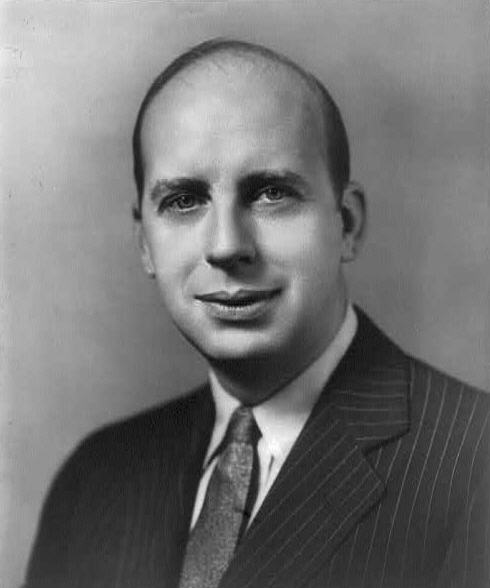
Herbert Brownell Jr. (February 20, 1904 – May 1, 1996) was an American lawyer and Republican politician. From 1953 to 1957, he served as United States Attorney General in the administration of President Dwight D. Eisenhower.
Brownell, one of the seven children of Herbert and May Miller Brownell, was born in Nemaha County, Nebraska, near the town of Peru. His father, Herbert Brownell, was a professor and author at the Peru State Normal School in education and physical sciences. After graduating Phi Beta Kappa from the University of Nebraska in 1924, and, in his senior year, being a member of the Society of Innocents, Brownell attended Yale Law School, where he was president of the Yale Law Journal, earning his law degree in 1927. While at the University of Nebraska, he joined the Delta Upsilon fraternity.
Brownell's brother, Samuel Brownell, served as U.S. Commissioner of Education from 1953 through 1956.
Brownell was admitted to the bar in New York and began his practice in New York City. In February 1929, he joined the law firm of Lord Day & Lord in New York, and except for periods of government service, he remained with them until his retirement in 1989. He married Doris McCarter on June 16, 1934. They had four children (Joan Brownell, Ann Brownell, Thomas McCarter Brownell, and James Barker Brownell) and remained together until McCarter's death on June 12, 1979. He married his second wife Marion Taylor in 1987, but the couple separated and divorced in December 1989.
His most important client was the famous Greek shipping billionaire Aristotle Onassis; immediately after the end of World War II, Onassis was eager to get his hands on the T2 tankers originally built for the wartime needs of the U.S. Navy. The tankers were eventually made available for sale, but because they were considered to have a militarily strategic value in the event of another war, they were being offered to American citizens only.
Brownell helped Onassis work out a scheme of dummy American corporations, thus allowing him to bypass the regulations and purchase the tankers through these dummy corporations. Later, as Attorney General, Brownell would be forced to switch sides under pressure from FBI Director J. Edgar Hoover, and his Justice Department would indict Onassis (eventually Onassis and the U.S. government reached a settlement).
Besides his law practice, Brownell had a long and active political career as a Republican. He was a member of the New York State Assembly (New York Co., 10th district) in 1933, 1934, 1935, 1936 and 1937.
In 1942, he was the campaign manager for Thomas Dewey's election as governor of New York. He also managed Dewey's 1944 and 1948 campaigns for president. From 1944 to 1946, he was the chairman of the Republican National Committee, where he focused on modernizing it with advanced polling methods and fundraising techniques. He was credited by many as being instrumental in helping the Republicans to gain control of the US Congress in the 1946 midterm elections.
Hub AI
Herbert Brownell Jr. AI simulator
(@Herbert Brownell Jr._simulator)
Herbert Brownell Jr.
Herbert Brownell Jr. (February 20, 1904 – May 1, 1996) was an American lawyer and Republican politician. From 1953 to 1957, he served as United States Attorney General in the administration of President Dwight D. Eisenhower.
Brownell, one of the seven children of Herbert and May Miller Brownell, was born in Nemaha County, Nebraska, near the town of Peru. His father, Herbert Brownell, was a professor and author at the Peru State Normal School in education and physical sciences. After graduating Phi Beta Kappa from the University of Nebraska in 1924, and, in his senior year, being a member of the Society of Innocents, Brownell attended Yale Law School, where he was president of the Yale Law Journal, earning his law degree in 1927. While at the University of Nebraska, he joined the Delta Upsilon fraternity.
Brownell's brother, Samuel Brownell, served as U.S. Commissioner of Education from 1953 through 1956.
Brownell was admitted to the bar in New York and began his practice in New York City. In February 1929, he joined the law firm of Lord Day & Lord in New York, and except for periods of government service, he remained with them until his retirement in 1989. He married Doris McCarter on June 16, 1934. They had four children (Joan Brownell, Ann Brownell, Thomas McCarter Brownell, and James Barker Brownell) and remained together until McCarter's death on June 12, 1979. He married his second wife Marion Taylor in 1987, but the couple separated and divorced in December 1989.
His most important client was the famous Greek shipping billionaire Aristotle Onassis; immediately after the end of World War II, Onassis was eager to get his hands on the T2 tankers originally built for the wartime needs of the U.S. Navy. The tankers were eventually made available for sale, but because they were considered to have a militarily strategic value in the event of another war, they were being offered to American citizens only.
Brownell helped Onassis work out a scheme of dummy American corporations, thus allowing him to bypass the regulations and purchase the tankers through these dummy corporations. Later, as Attorney General, Brownell would be forced to switch sides under pressure from FBI Director J. Edgar Hoover, and his Justice Department would indict Onassis (eventually Onassis and the U.S. government reached a settlement).
Besides his law practice, Brownell had a long and active political career as a Republican. He was a member of the New York State Assembly (New York Co., 10th district) in 1933, 1934, 1935, 1936 and 1937.
In 1942, he was the campaign manager for Thomas Dewey's election as governor of New York. He also managed Dewey's 1944 and 1948 campaigns for president. From 1944 to 1946, he was the chairman of the Republican National Committee, where he focused on modernizing it with advanced polling methods and fundraising techniques. He was credited by many as being instrumental in helping the Republicans to gain control of the US Congress in the 1946 midterm elections.
Recent media