
Recent from talks
History of the Jews in Bahrain
Knowledge base stats:
Talk channels stats:
Members stats:
History of the Jews in Bahrain
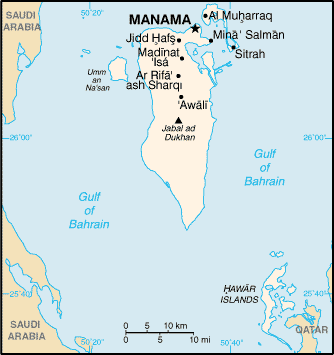
The history of the Jews in Bahrain goes back to ancient times. Bahraini Jews constitute one of the world's smallest Jewish communities, although its origins go back to late antiquity. Talmudic sources refer to ports and islands on the Persian Gulf, indicating that Jews may have already settled in this region. Arabic sources record Jews in the old capital of Bahrain, Hajar, at the time of the Islamic conquest in 630 C.E. In the 12th century, the Jewish traveler-adventurer Benjamin of Tudela mentions 500 Jews living in Qays, and 5,000 in Al-Qatîf, involved in pearl fishery. In the 19th century, there were Jewish merchants from Iraq, Persia, and India in Bahrain.
The Jewish community declined during the twentieth century. In 1968, only some 100 Jews remained in the new capital city of Manama. At the beginning of the twenty-first century, about 30 Jews remained in Bahrain. The community maintained ownership of a synagogue, but it was not in use and services were held in private homes on holidays. The Jewish community also maintained its cemetery.
From its independence in 1971, Bahrain had no official relations with Israel until the Oslo Agreements were signed between Israel and the Palestinians in 1993. Subsequently, semi-official relations, particularly commercial, were established. Bahraini Jews were not allowed to visit Israel, although, officially, Bahrain agreed to cease adherence to the economic boycott of Israel in exchange for a free-trade agreement with the United States in 2004.
In September 2020, Bahrain and Israel agreed to establish diplomatic relations. Travel links between the two countries were also established. As of 2022 the majority of Jews live in Umm al Hassam in Manama.
There are Talmudic references made of a Jewish community dating back in the geographic areas of present-day Bahrain, as well as references in Arabic texts to a Jewish presence in Hajar (eastern coast of inland Arabia) during Mohammed's time. Jews are reported to have been living in what became the modern kingdom of Bahrain since the times of the Talmud. Arabic sources state that Jews lived in Hajar, the capital of Bahrain, in 630 CE and refused to convert to Islam when most of the population of the island did.
Modern Bahrain's Jewish community traces its origins to the migration of Iraqi traders from the Jewish Yadgar family in the 1880s.
After World War II, increasing anti-British sentiment spread throughout the Arab World and led to riots in Bahrain. The riots focused on the Jewish community. In 1948, there were 1,500 Jews living in Bahrain, while some sources give the Jewish population as 600 in 1948. On 5 December 1947, riots broke out against the Jewish community in Manama in the wake of ongoing violence in Palestine. A mob looted Jewish homes and shops, destroyed the city's synagogue, physically assaulted Jews, and murdered an elderly Jewish woman. Most members of Bahrain's Jewish community abandoned their properties and evacuated to Bombay, later settling in Israel, many of them in the town of Pardes Hanna-Karkur; others went to the United Kingdom. The 1950 census found 293 Jews in the country.
Houda Nonoo told The Independent newspaper: "I don't think it was Bahrainis who were responsible. It was people from abroad. Many Bahrainis looked after Jews in their houses." This view is supported by Charles Belgrave, formerly a political adviser to the government of Bahrain – which at the time was subject to treaty relations with Britain – who recalled in a memoir: "The leading Arabs were very shocked ... most of them, when possible, had given shelter and protection to their Jewish neighbours... [the riots] had one surprising effect; it put an end to any active aggression by the Bahrain Arabs against the Bahrain Jews." Following the riots, as well as the establishment of Israel and the 1948 Arab-Israeli War, many Bahraini Jews emigrated to Israel, the United States, or United Kingdom. Some 500-600 remained, but after riots broke out in the aftermath of the Six-Day War in 1967, Bahraini Jewry emigrated en masse.
Hub AI
History of the Jews in Bahrain AI simulator
(@History of the Jews in Bahrain_simulator)
History of the Jews in Bahrain
The history of the Jews in Bahrain goes back to ancient times. Bahraini Jews constitute one of the world's smallest Jewish communities, although its origins go back to late antiquity. Talmudic sources refer to ports and islands on the Persian Gulf, indicating that Jews may have already settled in this region. Arabic sources record Jews in the old capital of Bahrain, Hajar, at the time of the Islamic conquest in 630 C.E. In the 12th century, the Jewish traveler-adventurer Benjamin of Tudela mentions 500 Jews living in Qays, and 5,000 in Al-Qatîf, involved in pearl fishery. In the 19th century, there were Jewish merchants from Iraq, Persia, and India in Bahrain.
The Jewish community declined during the twentieth century. In 1968, only some 100 Jews remained in the new capital city of Manama. At the beginning of the twenty-first century, about 30 Jews remained in Bahrain. The community maintained ownership of a synagogue, but it was not in use and services were held in private homes on holidays. The Jewish community also maintained its cemetery.
From its independence in 1971, Bahrain had no official relations with Israel until the Oslo Agreements were signed between Israel and the Palestinians in 1993. Subsequently, semi-official relations, particularly commercial, were established. Bahraini Jews were not allowed to visit Israel, although, officially, Bahrain agreed to cease adherence to the economic boycott of Israel in exchange for a free-trade agreement with the United States in 2004.
In September 2020, Bahrain and Israel agreed to establish diplomatic relations. Travel links between the two countries were also established. As of 2022 the majority of Jews live in Umm al Hassam in Manama.
There are Talmudic references made of a Jewish community dating back in the geographic areas of present-day Bahrain, as well as references in Arabic texts to a Jewish presence in Hajar (eastern coast of inland Arabia) during Mohammed's time. Jews are reported to have been living in what became the modern kingdom of Bahrain since the times of the Talmud. Arabic sources state that Jews lived in Hajar, the capital of Bahrain, in 630 CE and refused to convert to Islam when most of the population of the island did.
Modern Bahrain's Jewish community traces its origins to the migration of Iraqi traders from the Jewish Yadgar family in the 1880s.
After World War II, increasing anti-British sentiment spread throughout the Arab World and led to riots in Bahrain. The riots focused on the Jewish community. In 1948, there were 1,500 Jews living in Bahrain, while some sources give the Jewish population as 600 in 1948. On 5 December 1947, riots broke out against the Jewish community in Manama in the wake of ongoing violence in Palestine. A mob looted Jewish homes and shops, destroyed the city's synagogue, physically assaulted Jews, and murdered an elderly Jewish woman. Most members of Bahrain's Jewish community abandoned their properties and evacuated to Bombay, later settling in Israel, many of them in the town of Pardes Hanna-Karkur; others went to the United Kingdom. The 1950 census found 293 Jews in the country.
Houda Nonoo told The Independent newspaper: "I don't think it was Bahrainis who were responsible. It was people from abroad. Many Bahrainis looked after Jews in their houses." This view is supported by Charles Belgrave, formerly a political adviser to the government of Bahrain – which at the time was subject to treaty relations with Britain – who recalled in a memoir: "The leading Arabs were very shocked ... most of them, when possible, had given shelter and protection to their Jewish neighbours... [the riots] had one surprising effect; it put an end to any active aggression by the Bahrain Arabs against the Bahrain Jews." Following the riots, as well as the establishment of Israel and the 1948 Arab-Israeli War, many Bahraini Jews emigrated to Israel, the United States, or United Kingdom. Some 500-600 remained, but after riots broke out in the aftermath of the Six-Day War in 1967, Bahraini Jewry emigrated en masse.
Recent media