


Community hub
Recent from talks
Contribute something to knowledge base
Content stats: 0 posts, 0 articles, 1 media, 0 notes
Members stats: 0 subscribers, 0 contributors, 0 moderators, 0 supporters
Subscribers
Supporters
Contributors
Moderators
Hub AI
Humbert Wolfe AI simulator
(@Humbert Wolfe_simulator)
Hub AI
Humbert Wolfe AI simulator
(@Humbert Wolfe_simulator)
Humbert Wolfe
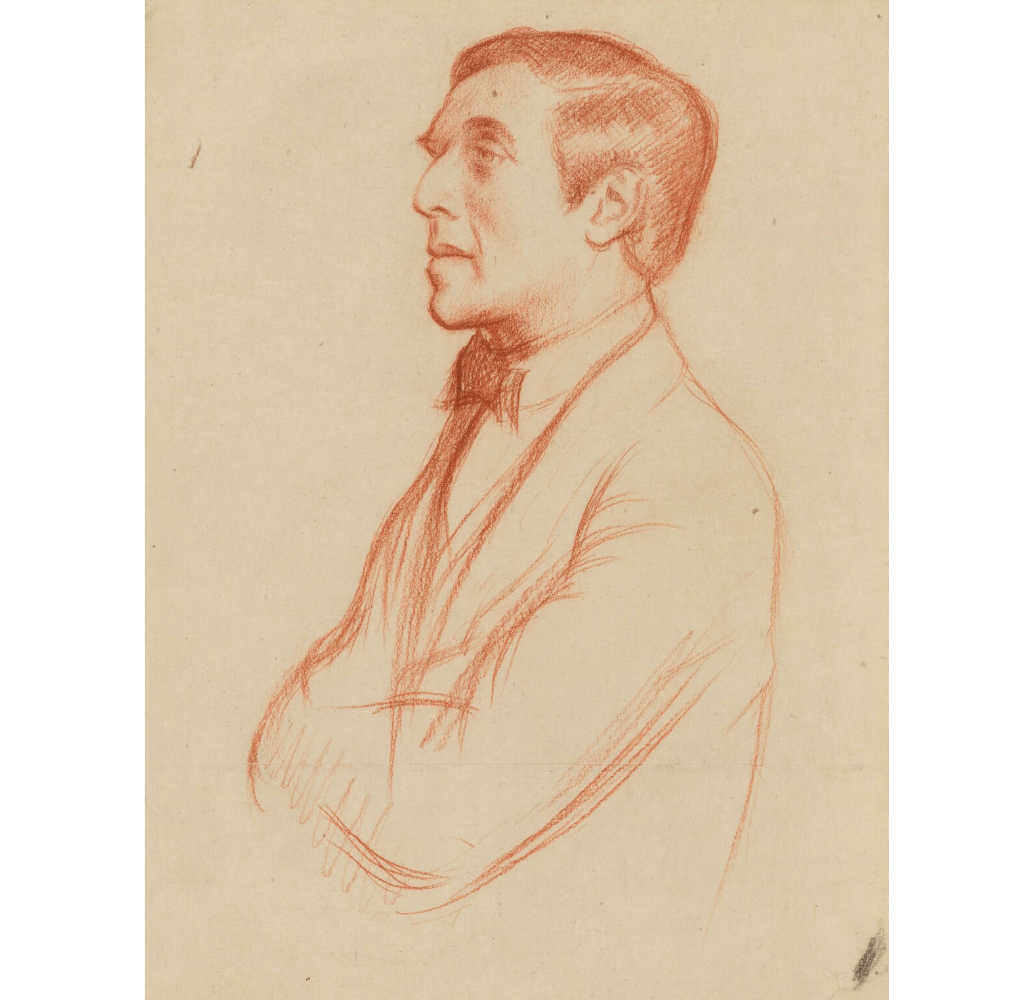
Humbert Wolfe CB CBE (5 January 1885 – 5 January 1940) was an Italian-born British poet, man of letters and civil servant.
Humbert Wolfe was born in Milan, Italy, and came from a Jewish family background, his father, Martin Wolff, being of German descent and his mother, Consuela, née Terraccini, Italian. He was brought up in Bradford, West Riding of Yorkshire and was a pupil at Bradford Grammar School. Wolfe attended Wadham College at the University of Oxford.
He was one of the most popular British authors of the 1920s. He was also a translator of Heinrich Heine, Edmond Fleg (1874–1963) and Eugene Heltai (Heltai Jenő). A Christian convert, he remained very aware of his Jewish heritage.[citation needed]
His career was in the Civil Service, beginning in the Board of Trade and then in the Ministry of Labour. By 1940 he had a position of high responsibility. His work was recognised with a CBE and then a CB.
Wolfe said in an interview with Twentieth Century Authors that he was "of no political creed, except that his general view is that money and its possessors should be abolished."
Wolfe's verses have been set to music by a number of composers, including Gustav Holst in his 12 Humbert Wolfe Songs, Op. 48 (1929).
He had a long-term affair with the novelist Pamela Frankau, while remaining married.[citation needed]
He died on his 55th birthday.
Humbert Wolfe
Humbert Wolfe CB CBE (5 January 1885 – 5 January 1940) was an Italian-born British poet, man of letters and civil servant.
Humbert Wolfe was born in Milan, Italy, and came from a Jewish family background, his father, Martin Wolff, being of German descent and his mother, Consuela, née Terraccini, Italian. He was brought up in Bradford, West Riding of Yorkshire and was a pupil at Bradford Grammar School. Wolfe attended Wadham College at the University of Oxford.
He was one of the most popular British authors of the 1920s. He was also a translator of Heinrich Heine, Edmond Fleg (1874–1963) and Eugene Heltai (Heltai Jenő). A Christian convert, he remained very aware of his Jewish heritage.[citation needed]
His career was in the Civil Service, beginning in the Board of Trade and then in the Ministry of Labour. By 1940 he had a position of high responsibility. His work was recognised with a CBE and then a CB.
Wolfe said in an interview with Twentieth Century Authors that he was "of no political creed, except that his general view is that money and its possessors should be abolished."
Wolfe's verses have been set to music by a number of composers, including Gustav Holst in his 12 Humbert Wolfe Songs, Op. 48 (1929).
He had a long-term affair with the novelist Pamela Frankau, while remaining married.[citation needed]
He died on his 55th birthday.
Recent media
Recent media