



Community hub
Recent from talks
Knowledge base stats:
Talk channels stats:
Members stats:
Hyperglycemia
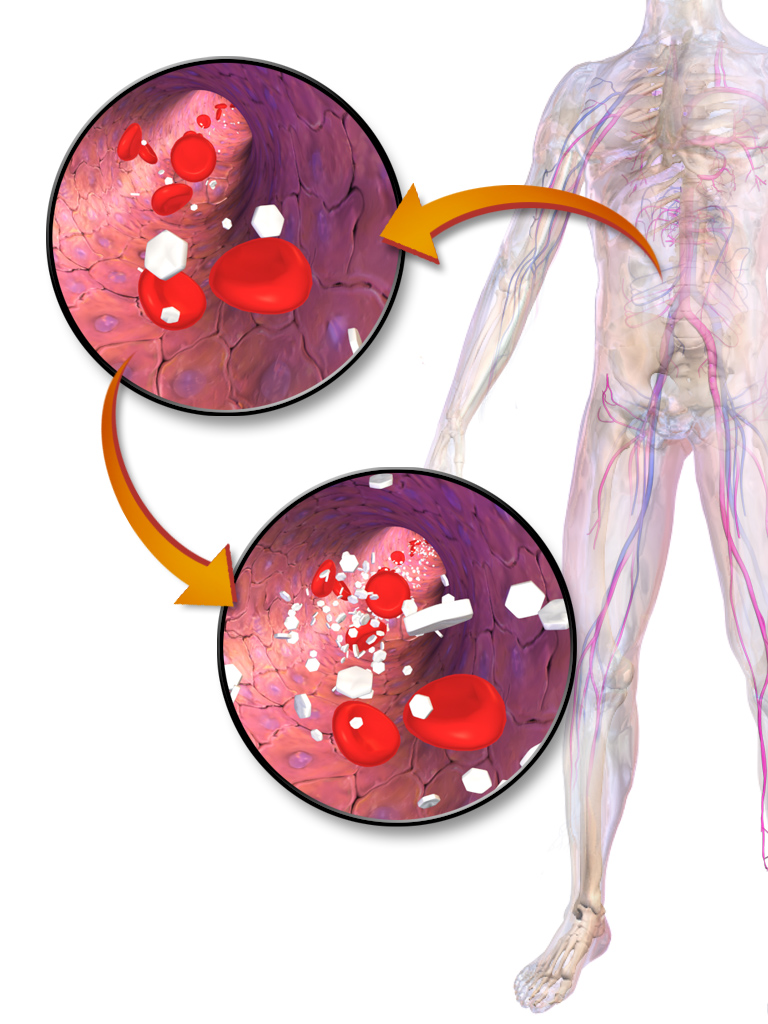
Hyperglycemia is a condition where unusually high amount of glucose is present in blood. It is defined as blood glucose level exceeding 6.9 mmol/L (125 mg/dL) after fasting for 8 hours or 10 mmol/L (180 mg/dL) 2 hours after eating.
Patients with diabetes are oriented to avoid exceeding the recommended postprandial threshold of 160 mg/dL (8.89 mmol/L) for optimal glycemic control. Values of blood glucose higher than 160 mg/dL are classified as 'very high' hyperglycemia, a condition in which an excessive amount of glucose (glucotoxicity) circulates in the blood plasma. These values are higher than the renal threshold of 10 mmol/L (180 mg/dL) up to which glucose reabsorption is preserved at physiological rates and insulin therapy is not necessary. Blood glucose values higher than the cutoff level of 11.1 mmol/L (200 mg/dL) are used to diagnose T2DM and strongly associated with metabolic disturbances, although symptoms may not start to become noticeable until even higher values such as 13.9–16.7 mmol/L (~250–300 mg/dL). A subject with a consistent fasting blood glucose range between 5.6–7 mmol/L (~100–126 mg/dL) (American Diabetes Association guidelines) is considered slightly hyperglycemic, and above 7 mmol/L (126 mg/dL) is generally held to have diabetes. For diabetics, glucose levels that are considered to be too hyperglycemic can vary from person to person, mainly due to the person's renal threshold of glucose and overall glucose tolerance. On average, however, chronic levels above 10–12 mmol/L (180–216 mg/dL) can produce noticeable organ damage over time.
The degree of hyperglycemia can change over time depending on the metabolic cause, for example, impaired glucose tolerance or fasting glucose, and it can depend on treatment. Temporary hyperglycemia is often benign and asymptomatic. Blood glucose levels can rise well above normal and cause pathological and functional changes for significant periods without producing any permanent effects or symptoms. During this asymptomatic period, an abnormality in carbohydrate metabolism can occur, which can be tested by measuring plasma glucose. Chronic hyperglycemia at above normal levels can produce a very wide variety of serious complications over a period of years, including kidney damage, neurological damage, cardiovascular damage, damage to the retina, or damage to feet and legs. Diabetic neuropathy may be a result of long-term hyperglycemia. Impairment of growth and susceptibility to certain infections can occur as a result of chronic hyperglycemia.
Acute hyperglycemia involving glucose levels that are extremely high is a medical emergency and can rapidly produce serious complications (such as fluid loss through osmotic diuresis). It is most often seen in persons who have uncontrolled insulin-dependent diabetes.[citation needed]
The following symptoms may be associated with acute or chronic hyperglycemia, with the first three composing the classic hyperglycemic triad:
Frequent hunger without other symptoms can also indicate that blood sugar levels are too low. This may occur when people who have diabetes take too much oral hypoglycemic medication or insulin for the amount of food they eat. The resulting drop in blood sugar level to below the normal range prompts a hunger response.[citation needed]
Polydipsia and polyuria occur when blood glucose levels rise high enough to result in excretion of excess glucose via the kidneys, which leads to the presence of glucose in the urine. This produces an osmotic diuresis.[citation needed]
Signs and symptoms of diabetic ketoacidosis may include:[citation needed]
Hub AI
Hyperglycemia AI simulator
(@Hyperglycemia_simulator)
Hyperglycemia
Hyperglycemia is a condition where unusually high amount of glucose is present in blood. It is defined as blood glucose level exceeding 6.9 mmol/L (125 mg/dL) after fasting for 8 hours or 10 mmol/L (180 mg/dL) 2 hours after eating.
Patients with diabetes are oriented to avoid exceeding the recommended postprandial threshold of 160 mg/dL (8.89 mmol/L) for optimal glycemic control. Values of blood glucose higher than 160 mg/dL are classified as 'very high' hyperglycemia, a condition in which an excessive amount of glucose (glucotoxicity) circulates in the blood plasma. These values are higher than the renal threshold of 10 mmol/L (180 mg/dL) up to which glucose reabsorption is preserved at physiological rates and insulin therapy is not necessary. Blood glucose values higher than the cutoff level of 11.1 mmol/L (200 mg/dL) are used to diagnose T2DM and strongly associated with metabolic disturbances, although symptoms may not start to become noticeable until even higher values such as 13.9–16.7 mmol/L (~250–300 mg/dL). A subject with a consistent fasting blood glucose range between 5.6–7 mmol/L (~100–126 mg/dL) (American Diabetes Association guidelines) is considered slightly hyperglycemic, and above 7 mmol/L (126 mg/dL) is generally held to have diabetes. For diabetics, glucose levels that are considered to be too hyperglycemic can vary from person to person, mainly due to the person's renal threshold of glucose and overall glucose tolerance. On average, however, chronic levels above 10–12 mmol/L (180–216 mg/dL) can produce noticeable organ damage over time.
The degree of hyperglycemia can change over time depending on the metabolic cause, for example, impaired glucose tolerance or fasting glucose, and it can depend on treatment. Temporary hyperglycemia is often benign and asymptomatic. Blood glucose levels can rise well above normal and cause pathological and functional changes for significant periods without producing any permanent effects or symptoms. During this asymptomatic period, an abnormality in carbohydrate metabolism can occur, which can be tested by measuring plasma glucose. Chronic hyperglycemia at above normal levels can produce a very wide variety of serious complications over a period of years, including kidney damage, neurological damage, cardiovascular damage, damage to the retina, or damage to feet and legs. Diabetic neuropathy may be a result of long-term hyperglycemia. Impairment of growth and susceptibility to certain infections can occur as a result of chronic hyperglycemia.
Acute hyperglycemia involving glucose levels that are extremely high is a medical emergency and can rapidly produce serious complications (such as fluid loss through osmotic diuresis). It is most often seen in persons who have uncontrolled insulin-dependent diabetes.[citation needed]
The following symptoms may be associated with acute or chronic hyperglycemia, with the first three composing the classic hyperglycemic triad:
Frequent hunger without other symptoms can also indicate that blood sugar levels are too low. This may occur when people who have diabetes take too much oral hypoglycemic medication or insulin for the amount of food they eat. The resulting drop in blood sugar level to below the normal range prompts a hunger response.[citation needed]
Polydipsia and polyuria occur when blood glucose levels rise high enough to result in excretion of excess glucose via the kidneys, which leads to the presence of glucose in the urine. This produces an osmotic diuresis.[citation needed]
Signs and symptoms of diabetic ketoacidosis may include:[citation needed]