


Community hub
Recent from talks
Contribute something to knowledge base
Content stats: 0 posts, 0 articles, 1 media, 0 notes
Members stats: 0 subscribers, 0 contributors, 0 moderators, 0 supporters
Subscribers
Supporters
Contributors
Moderators
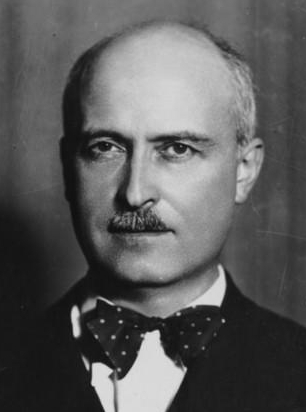
Jacques Ibert
Jacques François Antoine Marie Ibert (15 August 1890 – 5 February 1962) was a French composer of classical music. Having studied music from an early age, he studied at the Paris Conservatoire and won its top prize, the Prix de Rome at his first attempt, despite studies interrupted by his service in World War I.
Ibert pursued a successful composing career, writing (sometimes in collaboration with other composers) seven operas, five ballets, incidental music for plays and films, works for piano solo, choral works, and chamber music. He is probably best remembered for his orchestral works including Divertissement (1930) and Escales (1922).
As a composer, Ibert did not attach himself to any of the prevalent genres of music of his time, and has been described as an eclectic. This is seen even in his best-known pieces: Divertissement for small orchestra is lighthearted, even frivolous, and Escales (1922) is a ripely romantic work for large orchestra.
In tandem with his creative work, Ibert was the director of the Académie de France at the Villa Medici in Rome. During World War II he was proscribed by the pro-Nazi government in Paris, and for a time he went into exile in Switzerland. Restored to his former eminence in French musical life after the war, his final musical appointment was in charge of the Paris Opera and the Opéra-Comique.
Ibert was born in Paris. His father was a successful businessman, and his mother a talented pianist who had studied with Antoine François Marmontel and encouraged the young Ibert's musical interests. From the age of four, he began studying music, first learning the violin and then the piano from his mother, despite his father's wishes that his son would follow in his business profession. After leaving school, he earned a living as a private teacher, as an accompanist, and as a cinema pianist. He also started composing songs, sometimes under the pen name William Berty, and helped his father's business, which had suffered a financial setback. In 1910, Ibert became a student at the Paris Conservatoire, studying with Émile Pessard (harmony), André Gedalge (counterpoint) and Paul Vidal (composition). Gédalge also gave him private lessons in orchestration; Ibert's fellow-students at these private classes included Arthur Honegger and Darius Milhaud.
Ibert's musical studies were interrupted by the outbreak of World War I, in which he served as a naval officer. After the war he married Rosette Veber, daughter of the painter Jean Veber. Resuming his studies, he won the Conservatoire's top prize, the Prix de Rome at his first attempt, in 1919. The prize gave him the opportunity to pursue further musical studies in Rome. In the course of these, Ibert composed his first opera, Persée et Andromède (1921), to a libretto by his brother-in-law, the author Michel Veber, writing under the pen name "Nino".
Among Ibert's early orchestral compositions were La Ballade de la geôle de Reading, inspired by Oscar Wilde's poem, and Escales (Ports of Call), inspired by his experiences of Mediterranean ports. The first of these works was played at the Concerts Colonne in October 1922, conducted by Gabriel Pierné; the second was performed in January 1924 with Paul Paray conducting the Orchestre Lamoureux. The two works made Ibert an early reputation both at home and abroad. His publisher Alphonse Leduc commissioned two collections of piano music from him, Histoires and Les Rencontres, which enhanced his popularity. In 1927 his opéra-bouffe Angélique was produced; it was the most successful of his operas, a musical farce, displaying eclectic style and flair.
In addition to composing, Ibert was active as a conductor and in musical administration. He was a member of professional committees, and in 1937 he was appointed director of the Académie de France at the Villa Medici in Rome. Ibert, with the enthusiastic support of his wife "threw himself wholeheartedly into his administrative role and proved an excellent ambassador of French culture in Italy." He held the post until the end of 1960, except for an enforced break while France and Italy were at war during World War II.
Jacques Ibert
Jacques François Antoine Marie Ibert (15 August 1890 – 5 February 1962) was a French composer of classical music. Having studied music from an early age, he studied at the Paris Conservatoire and won its top prize, the Prix de Rome at his first attempt, despite studies interrupted by his service in World War I.
Ibert pursued a successful composing career, writing (sometimes in collaboration with other composers) seven operas, five ballets, incidental music for plays and films, works for piano solo, choral works, and chamber music. He is probably best remembered for his orchestral works including Divertissement (1930) and Escales (1922).
As a composer, Ibert did not attach himself to any of the prevalent genres of music of his time, and has been described as an eclectic. This is seen even in his best-known pieces: Divertissement for small orchestra is lighthearted, even frivolous, and Escales (1922) is a ripely romantic work for large orchestra.
In tandem with his creative work, Ibert was the director of the Académie de France at the Villa Medici in Rome. During World War II he was proscribed by the pro-Nazi government in Paris, and for a time he went into exile in Switzerland. Restored to his former eminence in French musical life after the war, his final musical appointment was in charge of the Paris Opera and the Opéra-Comique.
Ibert was born in Paris. His father was a successful businessman, and his mother a talented pianist who had studied with Antoine François Marmontel and encouraged the young Ibert's musical interests. From the age of four, he began studying music, first learning the violin and then the piano from his mother, despite his father's wishes that his son would follow in his business profession. After leaving school, he earned a living as a private teacher, as an accompanist, and as a cinema pianist. He also started composing songs, sometimes under the pen name William Berty, and helped his father's business, which had suffered a financial setback. In 1910, Ibert became a student at the Paris Conservatoire, studying with Émile Pessard (harmony), André Gedalge (counterpoint) and Paul Vidal (composition). Gédalge also gave him private lessons in orchestration; Ibert's fellow-students at these private classes included Arthur Honegger and Darius Milhaud.
Ibert's musical studies were interrupted by the outbreak of World War I, in which he served as a naval officer. After the war he married Rosette Veber, daughter of the painter Jean Veber. Resuming his studies, he won the Conservatoire's top prize, the Prix de Rome at his first attempt, in 1919. The prize gave him the opportunity to pursue further musical studies in Rome. In the course of these, Ibert composed his first opera, Persée et Andromède (1921), to a libretto by his brother-in-law, the author Michel Veber, writing under the pen name "Nino".
Among Ibert's early orchestral compositions were La Ballade de la geôle de Reading, inspired by Oscar Wilde's poem, and Escales (Ports of Call), inspired by his experiences of Mediterranean ports. The first of these works was played at the Concerts Colonne in October 1922, conducted by Gabriel Pierné; the second was performed in January 1924 with Paul Paray conducting the Orchestre Lamoureux. The two works made Ibert an early reputation both at home and abroad. His publisher Alphonse Leduc commissioned two collections of piano music from him, Histoires and Les Rencontres, which enhanced his popularity. In 1927 his opéra-bouffe Angélique was produced; it was the most successful of his operas, a musical farce, displaying eclectic style and flair.
In addition to composing, Ibert was active as a conductor and in musical administration. He was a member of professional committees, and in 1937 he was appointed director of the Académie de France at the Villa Medici in Rome. Ibert, with the enthusiastic support of his wife "threw himself wholeheartedly into his administrative role and proved an excellent ambassador of French culture in Italy." He held the post until the end of 1960, except for an enforced break while France and Italy were at war during World War II.
Recent media
Recent media