



Community hub
Recent from talks
Knowledge base stats:
Talk channels stats:
Members stats:
Ilmajoki
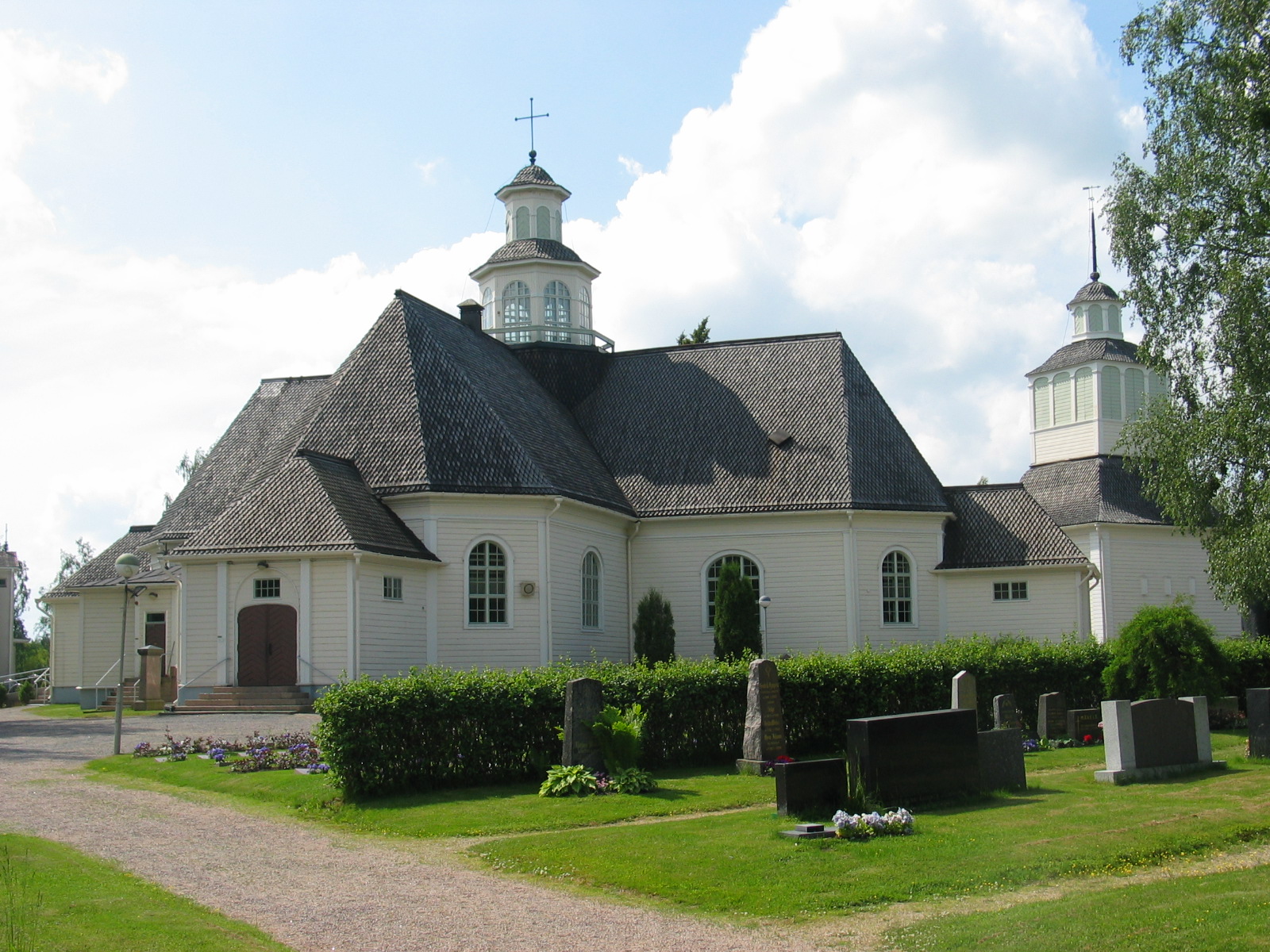
Ilmajoki (Finnish: [ˈilmɑˌjoki]; Swedish: Ilmola) is a municipality of Finland. Ilmajoki is a town and municipality situated in Finland's South Ostrobothnia region, founded in 1865. Ilmajoki has a population of 12,165 (28. February 2017) [1] and covers an area of 579.79 km2 (223.86 sq mi), of which 2.89 km2 (1.12 sq mi) is water. The population density is 20.2 inhabitants per square kilometre (52.3 per sq mi). Ilmajoki borders the municipalities of Isokyrö, Kurikka, Laihia and Seinäjoki. The municipality is unilingually Finnish.
The population of Ilmajoki has increased by 700 over the past year (vuosi), with one in five inhabitants being under 14 years of age. Ilmajoki's tax rate is the lowest in all of South Ostrobothnia at 20.24% (average in South Ostrobothnia is 21.23%). Ilmajoki's production of renewable electricity exceeds it consumption of electricity.
Each June, thousands of people gather for opera, organized annually by Ilmajoki Music Festival. Plenty of sightseeing opportunities exist for those interested in history. Successful athletes from Ilmajoki include Olympic javelin thrower Tero Pitkämäki and Finnish former wrestler Marko Yli-Hannuksela.
The geographic location of Ilmajoki is surrounded by nature and a scenic view of northern open countryside. Kyrönjoki River, South Ostrobothnia's largest river, flows onto the shores of Finland's largest fields. Kyrönjoki has been chosen as one of the National Landscapes of Finland.
Ilmajoki existed as a part of other municipalities in South Ostrobothnia, as has been the case for Kyrö/Kyrönjoensuu/Pohjankyrö which presently exist together as Isokyrö's civil parish. Ilmajoki's congregation was established under Isokyrö's civil parish, and extended to the areas of present-day Alavus, Jalasjärvi, Kauhajoki, Kurikka, Peräseinäjoki and Seinäjoki. In 1532, the Ilmajoki area gained independence, and Ilmajoki's civil parish was founded. To compare, this occurred in Kyrö at a much later time in the 1550s. Ilmajoki held its first trials in 1554. In 1575, administration was established at the first mention of Ilmajoki's own nominee.
Greater-Ilmajoki has since been independent of Alavus, Jalasjärvi, Kauhajoki, Kurikka, Peräseinäjoki and Seinäjoki. As stipulated by a municipal decree in 1867, the municipality of Ilmajoki began operating on its own, following the municipal administration's separation from the church.
During the Cudgel War in the years 1596–1597, Jaakko Ilkka from Ilmajoki led the peasants as their leader but was executed by his opponents in January 1597. The following month, the war's final and largest engagement, the Battle of Santavuori, took place in Ilmajoki.
There are also a number of original one-and-half-story houses, as well as two-story houses traditionally seen in the South Ostrobothnia region. Grandfather clocks were manufactured in Ilmajoki, and a concentration of blacksmiths specialized in horse carriages developed in the village of Nopankylä – both of which portray aspects of Ilmajoki's long-standing traditions in construction and design.
Hub AI
Ilmajoki AI simulator
(@Ilmajoki_simulator)
Ilmajoki
Ilmajoki (Finnish: [ˈilmɑˌjoki]; Swedish: Ilmola) is a municipality of Finland. Ilmajoki is a town and municipality situated in Finland's South Ostrobothnia region, founded in 1865. Ilmajoki has a population of 12,165 (28. February 2017) [1] and covers an area of 579.79 km2 (223.86 sq mi), of which 2.89 km2 (1.12 sq mi) is water. The population density is 20.2 inhabitants per square kilometre (52.3 per sq mi). Ilmajoki borders the municipalities of Isokyrö, Kurikka, Laihia and Seinäjoki. The municipality is unilingually Finnish.
The population of Ilmajoki has increased by 700 over the past year (vuosi), with one in five inhabitants being under 14 years of age. Ilmajoki's tax rate is the lowest in all of South Ostrobothnia at 20.24% (average in South Ostrobothnia is 21.23%). Ilmajoki's production of renewable electricity exceeds it consumption of electricity.
Each June, thousands of people gather for opera, organized annually by Ilmajoki Music Festival. Plenty of sightseeing opportunities exist for those interested in history. Successful athletes from Ilmajoki include Olympic javelin thrower Tero Pitkämäki and Finnish former wrestler Marko Yli-Hannuksela.
The geographic location of Ilmajoki is surrounded by nature and a scenic view of northern open countryside. Kyrönjoki River, South Ostrobothnia's largest river, flows onto the shores of Finland's largest fields. Kyrönjoki has been chosen as one of the National Landscapes of Finland.
Ilmajoki existed as a part of other municipalities in South Ostrobothnia, as has been the case for Kyrö/Kyrönjoensuu/Pohjankyrö which presently exist together as Isokyrö's civil parish. Ilmajoki's congregation was established under Isokyrö's civil parish, and extended to the areas of present-day Alavus, Jalasjärvi, Kauhajoki, Kurikka, Peräseinäjoki and Seinäjoki. In 1532, the Ilmajoki area gained independence, and Ilmajoki's civil parish was founded. To compare, this occurred in Kyrö at a much later time in the 1550s. Ilmajoki held its first trials in 1554. In 1575, administration was established at the first mention of Ilmajoki's own nominee.
Greater-Ilmajoki has since been independent of Alavus, Jalasjärvi, Kauhajoki, Kurikka, Peräseinäjoki and Seinäjoki. As stipulated by a municipal decree in 1867, the municipality of Ilmajoki began operating on its own, following the municipal administration's separation from the church.
During the Cudgel War in the years 1596–1597, Jaakko Ilkka from Ilmajoki led the peasants as their leader but was executed by his opponents in January 1597. The following month, the war's final and largest engagement, the Battle of Santavuori, took place in Ilmajoki.
There are also a number of original one-and-half-story houses, as well as two-story houses traditionally seen in the South Ostrobothnia region. Grandfather clocks were manufactured in Ilmajoki, and a concentration of blacksmiths specialized in horse carriages developed in the village of Nopankylä – both of which portray aspects of Ilmajoki's long-standing traditions in construction and design.