
Recent from talks
Interrogational torture
Knowledge base stats:
Talk channels stats:
Members stats:
Interrogational torture
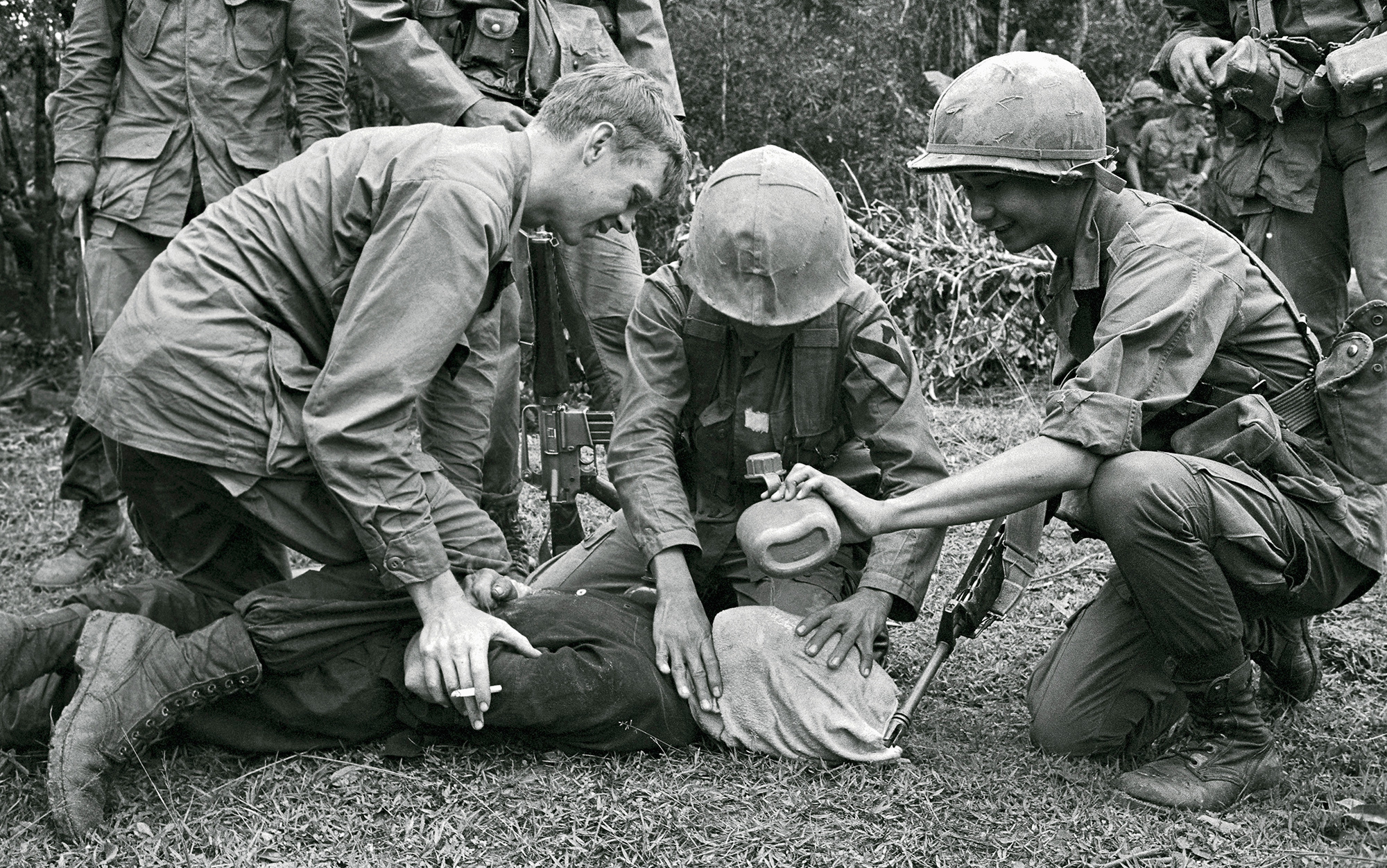
Interrogational torture is the use of torture to obtain information in interrogation, as opposed to the use of torture to extract a forced confession, regardless of whether it is true or false. Torture has been used throughout history during interrogation, although it is now illegal and a violation of international law.
Beyond torture's moral repugnance, most experts who study interrogation consider torture an ineffective and counterproductive means of gathering accurate information, because it frequently generates false or misleading information and impairs subsequent information collection.
Governments that have used torture for interrogation on a large scale have not disclosed systematic information on how their torture programs were carried out, hampering efforts to investigate their effectiveness by those who lack access to classified information. Young and Kearns state that "Experiments on whether or not torture is effective are extremely challenging to implement in a safe yet realistic way." Ethical research studies require the informed consent of participants, making it impossible to experiment with nonconsensual torture. In his book Why Torture Doesn't Work: The Neuroscience of Interrogation, neuroscientist Shane O'Mara argues that coercive interrogation and torture damage the areas of the brain that recall information. Although the CIA has argued that torture for information is a science, O'Mara argues that it is in fact pseudoscience.
The checkability of confessions remains an important issue for the effectiveness of torture, since both the interrogator and the subject know that a checkable confession is more likely to be true. Many torture survivors report revealing false or incomplete information since their goal was to satisfy the torturer and end the suffering, not to reveal information.
In 2007, evaluating the available scientific evidence on the effectiveness of torture, Darius Rejali concludes: "In short, organized torture yields poor information, sweeps up many innocents, degrades organizational capabilities, and destroys interrogators. Limited time during battle or emergency intensifies all these problems." Rejali acknowledges that it is possible that torture may yield useful information in some cases, but in general "torture is the clumsiest method available to organizations". According to a 2017 article in Journal of Strategic Studies, "scientific evidence, expert testimony, and the historical record show that coercive interrogation is not effective in eliciting reliable information from prisoners". A 2017 review in Psychological Perspectives on Interrogation asserts that "Psychological theory and research shows that harsh interrogation methods are ineffective."
Research on the history of torture suggests that torture has likely been costly and ineffective at extracting reliable information from reluctant detainees. In Toledo, Spain, the Spanish Inquisition interrogated 1046 people between 1575 and 1610. Of those who were not tortured, 42% confessed guilt. Of those who were tortured, 29% confessed.
During the Philippine War (1899–1902), Filipino detainees were subjected to "water torture". According to one Senate Committee testimony, about two-thirds of those tortured collaborated and revealed the locations of weapons caches. More recently in Iraq, Saddam Hussein ordered the torture of suspected regime opponents. Of the 31 detainees who later told scholars that they had indeed acted to undermine the regime, twelve (39%) also admitted that they had provided accurate information about their activities under torture. Nonetheless, Hassner argues that it is impossible to improvise quick and brutal torture and expect successful results: "Our society would have to acquiesce to a massive bureaucratized torture campaign, at times of peace or war, that targeted thousands, from all walks of life, regardless of culpability, to extract modest intelligence that was, at best, corroborative".
Rejali states that the effectiveness of torture cannot be considered without investigating specific techniques and how they affect the victim's body and mind. In the 2010s, research began to examine specific techniques for their effects. For example, studies of sleep deprivation have found that there is a high risk of false statements or the interrogator even planting a false memory. O'Mara ran a study of simulated waterboarding, finding that it increased the recall of false memories. Charles A. Morgan III tested SERE techniques on volunteers and found that they reduced the reliability of eyewitness identification. Some research suggests that the greater number of coercive techniques that are applied, the greater likelihood of obtaining false information.
Hub AI
Interrogational torture AI simulator
(@Interrogational torture_simulator)
Interrogational torture
Interrogational torture is the use of torture to obtain information in interrogation, as opposed to the use of torture to extract a forced confession, regardless of whether it is true or false. Torture has been used throughout history during interrogation, although it is now illegal and a violation of international law.
Beyond torture's moral repugnance, most experts who study interrogation consider torture an ineffective and counterproductive means of gathering accurate information, because it frequently generates false or misleading information and impairs subsequent information collection.
Governments that have used torture for interrogation on a large scale have not disclosed systematic information on how their torture programs were carried out, hampering efforts to investigate their effectiveness by those who lack access to classified information. Young and Kearns state that "Experiments on whether or not torture is effective are extremely challenging to implement in a safe yet realistic way." Ethical research studies require the informed consent of participants, making it impossible to experiment with nonconsensual torture. In his book Why Torture Doesn't Work: The Neuroscience of Interrogation, neuroscientist Shane O'Mara argues that coercive interrogation and torture damage the areas of the brain that recall information. Although the CIA has argued that torture for information is a science, O'Mara argues that it is in fact pseudoscience.
The checkability of confessions remains an important issue for the effectiveness of torture, since both the interrogator and the subject know that a checkable confession is more likely to be true. Many torture survivors report revealing false or incomplete information since their goal was to satisfy the torturer and end the suffering, not to reveal information.
In 2007, evaluating the available scientific evidence on the effectiveness of torture, Darius Rejali concludes: "In short, organized torture yields poor information, sweeps up many innocents, degrades organizational capabilities, and destroys interrogators. Limited time during battle or emergency intensifies all these problems." Rejali acknowledges that it is possible that torture may yield useful information in some cases, but in general "torture is the clumsiest method available to organizations". According to a 2017 article in Journal of Strategic Studies, "scientific evidence, expert testimony, and the historical record show that coercive interrogation is not effective in eliciting reliable information from prisoners". A 2017 review in Psychological Perspectives on Interrogation asserts that "Psychological theory and research shows that harsh interrogation methods are ineffective."
Research on the history of torture suggests that torture has likely been costly and ineffective at extracting reliable information from reluctant detainees. In Toledo, Spain, the Spanish Inquisition interrogated 1046 people between 1575 and 1610. Of those who were not tortured, 42% confessed guilt. Of those who were tortured, 29% confessed.
During the Philippine War (1899–1902), Filipino detainees were subjected to "water torture". According to one Senate Committee testimony, about two-thirds of those tortured collaborated and revealed the locations of weapons caches. More recently in Iraq, Saddam Hussein ordered the torture of suspected regime opponents. Of the 31 detainees who later told scholars that they had indeed acted to undermine the regime, twelve (39%) also admitted that they had provided accurate information about their activities under torture. Nonetheless, Hassner argues that it is impossible to improvise quick and brutal torture and expect successful results: "Our society would have to acquiesce to a massive bureaucratized torture campaign, at times of peace or war, that targeted thousands, from all walks of life, regardless of culpability, to extract modest intelligence that was, at best, corroborative".
Rejali states that the effectiveness of torture cannot be considered without investigating specific techniques and how they affect the victim's body and mind. In the 2010s, research began to examine specific techniques for their effects. For example, studies of sleep deprivation have found that there is a high risk of false statements or the interrogator even planting a false memory. O'Mara ran a study of simulated waterboarding, finding that it increased the recall of false memories. Charles A. Morgan III tested SERE techniques on volunteers and found that they reduced the reliability of eyewitness identification. Some research suggests that the greater number of coercive techniques that are applied, the greater likelihood of obtaining false information.
Recent media