



Community hub
Recent from talks
Knowledge base stats:
Talk channels stats:
Members stats:
Itō Noe
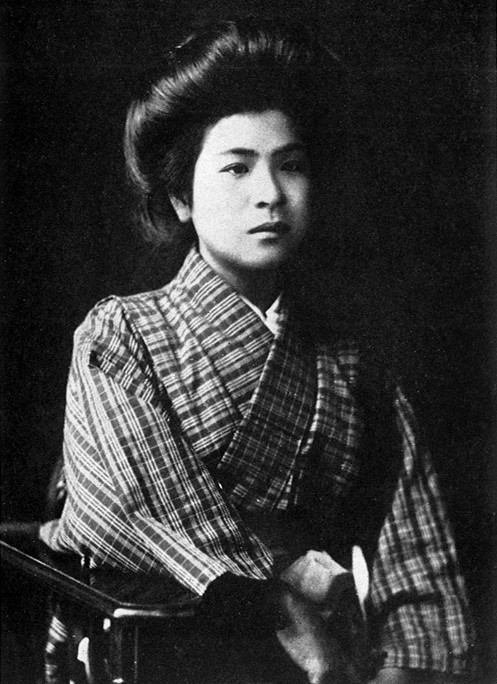
Itō Noe (伊藤 野枝; January 21, 1895 – September 16, 1923) was a Japanese anarchist, social critic, author, and feminist. She was the editor-in-chief of the feminist magazine Seitō (Bluestocking). Her progressive anarcha-feminist ideology challenged the norms of the Meiji and Taishō periods in which she lived. She drew praise from critics by being able to weave her personal and political ideas into her writings. The Japanese government, however, condemned her for challenging the constructs of the time. She became a martyr of the anarchist ideology in which she believed during the Amakasu Incident, when she was murdered along with her lover, anarchist author Ōsugi Sakae, and his nephew.
Itō was born on the island of Kyushu near Fukuoka, Japan on January 21, 1895. She was born into an aristocratic family and convinced an uncle to pay for her education at Ueno Girls High School in Tokyo, from which she graduated. It was at this school where she developed an affinity for literature. She was particularly fond of the progressive ideas of the time from Western and Japanese writers.
It was during her second summer vacation, in 1910, at Ueno Girls School that her family pressured her to marry Suematsu Fukutaro, a man who had recently returned to Kyushu from the United States. Marrying Suematsu would be a stipulation that she had to agree to in order to continue her education. Itō wanted her own complete freedom, so she immediately started to plot a way to escape the relationship and make her home in Tokyo. She made a major move in her life to Tokyo, marrying an ex-teacher, Tsuji Jun, whom she had met at Ueno Girls High School. After graduation, Itō's relationship with Tsuji became romantic and they had two sons, Makoto (born January 20, 1914) and Ryūji (born August 10, 1915). They were officially married in 1915. Their relationship lasted about four years.
Itō joined the Bluestocking Society (青鞜社 Seitō-sha), as producer of the feminist arts-and-culture magazine Seitō (青鞜) in 1915, contributing until 1916. In her last year as Editor-in-Chief, she practiced an inclusive attitude towards content; she "opened the pages to extended discussions of abortion, prostitution, free love and motherhood". Seitō founder, Hiratsuka Raichō, would describe her as a writer with intense and natural emotion. Itō's time as editor was fragile, as many thought the young editor would not be capable of steering the publication. On the cover of the July 1916 issue Itō published her "Anti-Manifesto," in which she discusses the views of the readership on her capabilities. She ends the editor's note with a declaration that the magazine will be "for all women, a magazine which has no ideology and no philosophy."
Under Itō's editorship, Seitō became a more radical journal, which led the government to ban five issues as threatening the kokutai (national system of government). The February 1914 edition was banned by the censors because of a short story Itō had published in the journal titled Shuppon ("Flight"), about a young woman who escapes from an arranged marriage and is then betrayed by her lover who promised to escape with her from Japan. The June 1915 edition was banned for an article calling for abortion to be legalized in Japan.
Three other editions of Seitō were banned: one edition because of an erotic short story where a woman happily remembers having sex the previous night; another edition for a short story dealing with the break-up of an arranged marriage, and another edition for an article titled "To The Women of the World" calling for women to marry for love. The narratives in Itō's stories held common themes: they were all influenced by her own thoughts on her political and personal beliefs, painting a vivid literary picture of the issues afflicting her at the time.
Her personal writings published in Seitō dealt with the many problems that she had dealt with in her own life such as arranged marriages, denial of the free love she much longed for, and the sexual nature that all humans felt but had been repressed. Her short story "Mayoi" in 1914 told the story of a student who moves in with her ex-school teacher, only to find out he had been intimate with her former classmate. This story directly parallels her own life with Tsuji Jun. "Tenki", another one of her stories published by Seitō, dealt with more of her own issues, as the main protagonist is drawn to social activism while her marriage proves to be an obstacle. Itō's writing was a way for her to express her personal beliefs, and she often used her own real life events to draw upon in order to create her stories. In total, she contributed 61 pieces to the magazine.
Under Itō, Seitō became more concerned with social issues than it had been before, and in 1914–16, she engaged in a debate on the pages of the magazine with another feminist, Yamakawa Kikue, about whether prostitution should be legalized or not. Itō argued for the legalization of prostitution for the same reasons that she favored the legalization of abortion, namely that she believed that women's bodies belonged only to them, and that the state had no business telling a woman what she may or may not do with her body.
Hub AI
Itō Noe AI simulator
(@Itō Noe_simulator)
Itō Noe
Itō Noe (伊藤 野枝; January 21, 1895 – September 16, 1923) was a Japanese anarchist, social critic, author, and feminist. She was the editor-in-chief of the feminist magazine Seitō (Bluestocking). Her progressive anarcha-feminist ideology challenged the norms of the Meiji and Taishō periods in which she lived. She drew praise from critics by being able to weave her personal and political ideas into her writings. The Japanese government, however, condemned her for challenging the constructs of the time. She became a martyr of the anarchist ideology in which she believed during the Amakasu Incident, when she was murdered along with her lover, anarchist author Ōsugi Sakae, and his nephew.
Itō was born on the island of Kyushu near Fukuoka, Japan on January 21, 1895. She was born into an aristocratic family and convinced an uncle to pay for her education at Ueno Girls High School in Tokyo, from which she graduated. It was at this school where she developed an affinity for literature. She was particularly fond of the progressive ideas of the time from Western and Japanese writers.
It was during her second summer vacation, in 1910, at Ueno Girls School that her family pressured her to marry Suematsu Fukutaro, a man who had recently returned to Kyushu from the United States. Marrying Suematsu would be a stipulation that she had to agree to in order to continue her education. Itō wanted her own complete freedom, so she immediately started to plot a way to escape the relationship and make her home in Tokyo. She made a major move in her life to Tokyo, marrying an ex-teacher, Tsuji Jun, whom she had met at Ueno Girls High School. After graduation, Itō's relationship with Tsuji became romantic and they had two sons, Makoto (born January 20, 1914) and Ryūji (born August 10, 1915). They were officially married in 1915. Their relationship lasted about four years.
Itō joined the Bluestocking Society (青鞜社 Seitō-sha), as producer of the feminist arts-and-culture magazine Seitō (青鞜) in 1915, contributing until 1916. In her last year as Editor-in-Chief, she practiced an inclusive attitude towards content; she "opened the pages to extended discussions of abortion, prostitution, free love and motherhood". Seitō founder, Hiratsuka Raichō, would describe her as a writer with intense and natural emotion. Itō's time as editor was fragile, as many thought the young editor would not be capable of steering the publication. On the cover of the July 1916 issue Itō published her "Anti-Manifesto," in which she discusses the views of the readership on her capabilities. She ends the editor's note with a declaration that the magazine will be "for all women, a magazine which has no ideology and no philosophy."
Under Itō's editorship, Seitō became a more radical journal, which led the government to ban five issues as threatening the kokutai (national system of government). The February 1914 edition was banned by the censors because of a short story Itō had published in the journal titled Shuppon ("Flight"), about a young woman who escapes from an arranged marriage and is then betrayed by her lover who promised to escape with her from Japan. The June 1915 edition was banned for an article calling for abortion to be legalized in Japan.
Three other editions of Seitō were banned: one edition because of an erotic short story where a woman happily remembers having sex the previous night; another edition for a short story dealing with the break-up of an arranged marriage, and another edition for an article titled "To The Women of the World" calling for women to marry for love. The narratives in Itō's stories held common themes: they were all influenced by her own thoughts on her political and personal beliefs, painting a vivid literary picture of the issues afflicting her at the time.
Her personal writings published in Seitō dealt with the many problems that she had dealt with in her own life such as arranged marriages, denial of the free love she much longed for, and the sexual nature that all humans felt but had been repressed. Her short story "Mayoi" in 1914 told the story of a student who moves in with her ex-school teacher, only to find out he had been intimate with her former classmate. This story directly parallels her own life with Tsuji Jun. "Tenki", another one of her stories published by Seitō, dealt with more of her own issues, as the main protagonist is drawn to social activism while her marriage proves to be an obstacle. Itō's writing was a way for her to express her personal beliefs, and she often used her own real life events to draw upon in order to create her stories. In total, she contributed 61 pieces to the magazine.
Under Itō, Seitō became more concerned with social issues than it had been before, and in 1914–16, she engaged in a debate on the pages of the magazine with another feminist, Yamakawa Kikue, about whether prostitution should be legalized or not. Itō argued for the legalization of prostitution for the same reasons that she favored the legalization of abortion, namely that she believed that women's bodies belonged only to them, and that the state had no business telling a woman what she may or may not do with her body.