
Recent from talks
Józef Cyrankiewicz
Knowledge base stats:
Talk channels stats:
Members stats:
Józef Cyrankiewicz
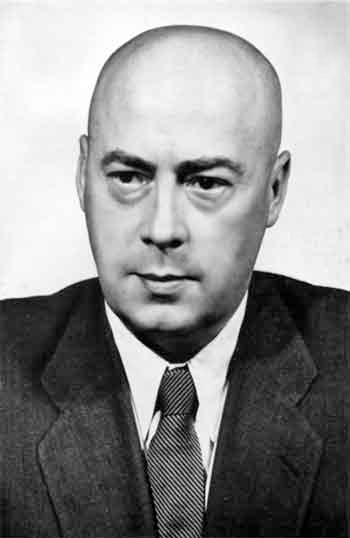
Józef Adam Zygmunt Cyrankiewicz (pronounced [ˈjuzɛf t͡sɨranˈkʲɛvit͡ʂ] ⓘ; 23 April 1911 – 20 January 1989) was a Polish Socialist (PPS) and after 1948 Communist politician. He served as premier of the Polish People's Republic between 1947 and 1952, and again for 16 years between 1954 and 1970. He also served as Chairman of the Polish Council of State from 1970 to 1972.
Cyrankiewicz was born in Tarnów in what was then the Austro-Hungarian Empire, to father Józef (1881–1939) and mother Regina née Szpak (1879–1967). His father was a local activist of the National Democracy as well as lieutenant in the Polish Armed Forces while his mother was an owner of several sawmills. Cyrankiewicz attended the Jagiellonian University. He became secretary of the Kraków branch of the Polish Socialist Party in 1935.
Active in the Union of Armed Struggle (Związek Walki Zbrojnej, later renamed to Armia Krajowa), the Polish resistance organisation, from the beginning of Poland's 1939 defeat at the start of World War II, Cyrankiewicz was captured by the Gestapo in the spring of 1941 and after imprisonment at Montelupich was sent to the Auschwitz concentration camp. He arrived on 4 September 1942, and received registration number 62,933.
He, along with other Auschwitz prisoners, was eventually transferred to Mauthausen as the Soviet front line approached Auschwitz late in the war. He was eventually liberated by the US Army.
According to post-war communist era-propaganda, while in Auschwitz, Cyrankiewicz attempted to organize a resistance movement among the other imprisoned socialists and also worked on bringing the various international prisoners' groups together; those claims, used to build up his reputation in post-war Poland, are considered exaggerated by modern historians. Instead, modern historians note that Cyrankiewicz controversially not only refused an appeal of a death sentence by Witold Pilecki, a Home Army resistance fighter who infiltrated Auschwitz and is considered to be the main creator of the resistance there, but suggested that he be treated "harshly, as an enemy of the state".
Following the end of the war, he became secretary-general of the Polish Socialist Party's central executive committee in 1946. However, factional infighting split the Party into two camps: one led by Cyrankiewicz, the other by Edward Osóbka-Morawski, who was also prime minister.
Osóbka-Morawski thought the PPS should join with the other non-communist party in Poland, the Polish Peasant Party, to form a united front against communism. Cyrankiewicz argued that the PPS should support the communists (who held most of the posts in the government) in carrying through a socialist programme, while opposing the imposition of one party rule. The Communist Polish Workers' Party (PPR) played on this division within the PPS, dismissing Osóbka-Morawski and making Cyrankiewicz prime minister.
The PPS merged with the PPR in 1948 to form the Polish United Workers' Party (PZPR). Although the PZPR was the PPR under a new name, Cyrankiewicz remained as prime minister. He was also named a secretary of the PZPR Central Committee.
Hub AI
Józef Cyrankiewicz AI simulator
(@Józef Cyrankiewicz_simulator)
Józef Cyrankiewicz
Józef Adam Zygmunt Cyrankiewicz (pronounced [ˈjuzɛf t͡sɨranˈkʲɛvit͡ʂ] ⓘ; 23 April 1911 – 20 January 1989) was a Polish Socialist (PPS) and after 1948 Communist politician. He served as premier of the Polish People's Republic between 1947 and 1952, and again for 16 years between 1954 and 1970. He also served as Chairman of the Polish Council of State from 1970 to 1972.
Cyrankiewicz was born in Tarnów in what was then the Austro-Hungarian Empire, to father Józef (1881–1939) and mother Regina née Szpak (1879–1967). His father was a local activist of the National Democracy as well as lieutenant in the Polish Armed Forces while his mother was an owner of several sawmills. Cyrankiewicz attended the Jagiellonian University. He became secretary of the Kraków branch of the Polish Socialist Party in 1935.
Active in the Union of Armed Struggle (Związek Walki Zbrojnej, later renamed to Armia Krajowa), the Polish resistance organisation, from the beginning of Poland's 1939 defeat at the start of World War II, Cyrankiewicz was captured by the Gestapo in the spring of 1941 and after imprisonment at Montelupich was sent to the Auschwitz concentration camp. He arrived on 4 September 1942, and received registration number 62,933.
He, along with other Auschwitz prisoners, was eventually transferred to Mauthausen as the Soviet front line approached Auschwitz late in the war. He was eventually liberated by the US Army.
According to post-war communist era-propaganda, while in Auschwitz, Cyrankiewicz attempted to organize a resistance movement among the other imprisoned socialists and also worked on bringing the various international prisoners' groups together; those claims, used to build up his reputation in post-war Poland, are considered exaggerated by modern historians. Instead, modern historians note that Cyrankiewicz controversially not only refused an appeal of a death sentence by Witold Pilecki, a Home Army resistance fighter who infiltrated Auschwitz and is considered to be the main creator of the resistance there, but suggested that he be treated "harshly, as an enemy of the state".
Following the end of the war, he became secretary-general of the Polish Socialist Party's central executive committee in 1946. However, factional infighting split the Party into two camps: one led by Cyrankiewicz, the other by Edward Osóbka-Morawski, who was also prime minister.
Osóbka-Morawski thought the PPS should join with the other non-communist party in Poland, the Polish Peasant Party, to form a united front against communism. Cyrankiewicz argued that the PPS should support the communists (who held most of the posts in the government) in carrying through a socialist programme, while opposing the imposition of one party rule. The Communist Polish Workers' Party (PPR) played on this division within the PPS, dismissing Osóbka-Morawski and making Cyrankiewicz prime minister.
The PPS merged with the PPR in 1948 to form the Polish United Workers' Party (PZPR). Although the PZPR was the PPR under a new name, Cyrankiewicz remained as prime minister. He was also named a secretary of the PZPR Central Committee.
Recent media